
Scaling & Root Planing in Wetherill Park
Scaling and root planing in Wetherill Park is a deeper professional cleaning procedure used to remove plaque, calculus and bacterial deposits from below the gumline when periodontal disease has created deeper gum pockets. At Dr Raymond Platon & Associates, treatment is planned according to periodontal measurements, gum inflammation, bone support, oral hygiene and individual risk factors.
When is scaling and root planing recommended?
Scaling and root planing may be recommended when periodontal assessment identifies deeper gum pockets, calculus below the gumline, bleeding, inflammation or other signs of periodontitis. Symptoms may include bleeding gums, swelling, persistent bad breath or gum recession, although periodontal disease can sometimes progress with few noticeable symptoms.
Clinical examination, periodontal measurements and dental X-rays where appropriate help determine whether scaling and root planing or another form of periodontal care is indicated.
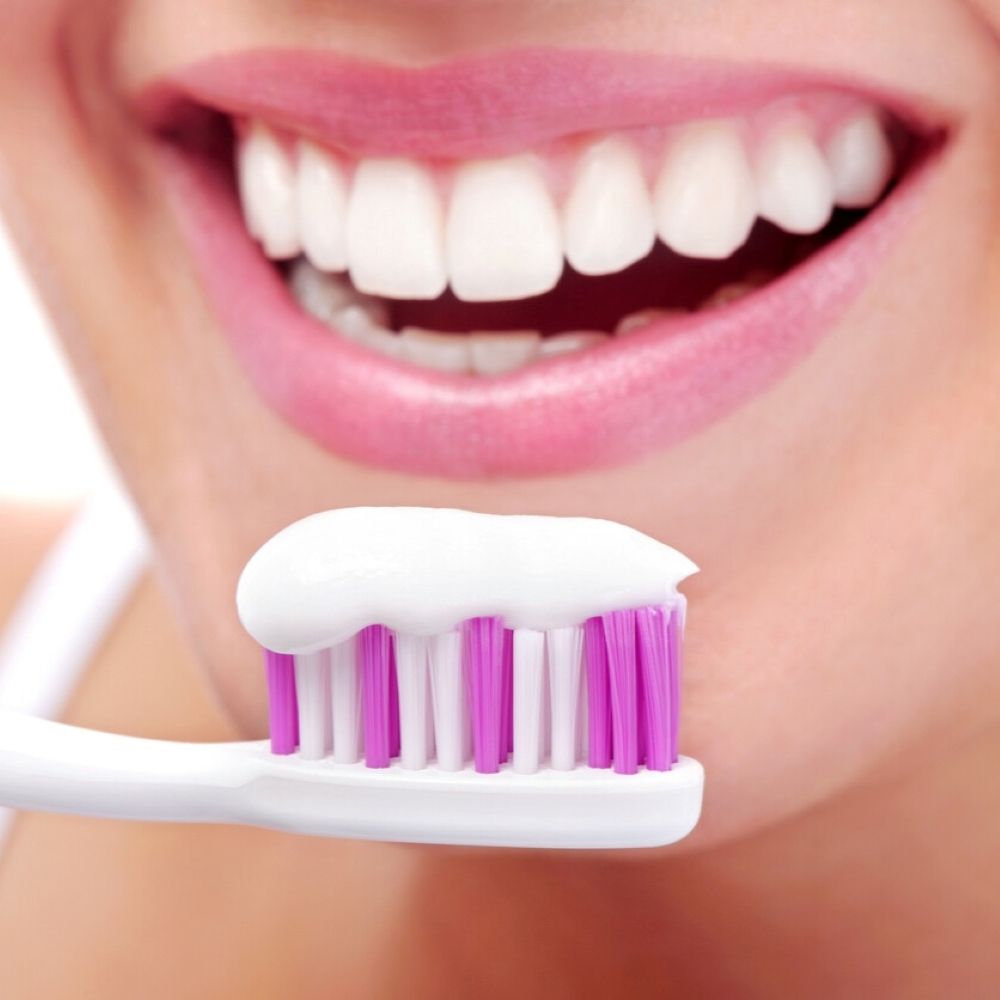
Deep Cleaning Below the Gumline
Scaling and root planing, sometimes referred to as deep cleaning, is used to remove plaque and hardened calculus from areas below the gumline that cannot be adequately cleaned with routine preventive cleaning alone.
The procedure may be recommended as part of a periodontal treatment plan when deeper gum pockets and deposits are present. Treatment may involve one or more areas of the mouth depending on the extent of periodontal disease and individual clinical findings. For broader information about periodontal conditions and treatment options, visit our Gum Disease Treatment in Wetherill Park page.
Patients from Fairfield Heights, Bonnyrigg, Abbotsbury and surrounding suburbs attend our Wetherill Park clinic for periodontal assessment and personalised gum care.
What Is Scaling & Root Planing?
Scaling and root planing is a periodontal cleaning procedure that targets plaque and calculus below the gumline. Scaling removes deposits from the tooth and root surfaces, while root planing smooths selected root surfaces where clinically indicated.
The procedure is generally considered when deeper periodontal pockets or deposits are present and routine preventive cleaning is not sufficient. Treatment may be completed in one or more areas of the mouth depending on the extent of periodontal disease and individual clinical findings.
The aim is to reduce bacterial deposits and inflammation around affected teeth and create conditions that support periodontal management. Local anaesthesia may be used when appropriate to improve comfort during deeper cleaning.
The response to treatment varies between patients and depends on factors such as pocket depth, bone support, smoking, oral hygiene, general health and the severity of periodontal disease. Follow-up assessment helps determine whether further periodontal treatment or ongoing maintenance may be required.
Potential Benefits of Scaling & Root Planing
When clinically appropriate, scaling and root planing may help reduce plaque and calculus below the gumline and support the management of periodontal inflammation.
Depending on individual clinical findings, treatment may help:
- Reduce bacterial deposits and calculus below the gumline
- Reduce bleeding and inflammation in affected periodontal areas
- Improve access for daily cleaning around affected teeth
- Support ongoing periodontal management together with effective home care
- Provide a baseline for periodontal reassessment and future maintenance planning
Periodontal healing and treatment response vary between patients. Follow-up assessment is important to determine how the gums have responded and whether additional periodontal care or maintenance may be required.
What to Expect After Scaling & Root Planing
After scaling and root planing, some patients may experience temporary gum tenderness, tooth sensitivity or minor bleeding. The extent and duration of these symptoms vary depending on the areas treated, the severity of periodontal inflammation and individual response to treatment.
Your dental professional will provide personalised instructions for brushing, interdental cleaning and any other recommended home care. In some cases, treatment may be completed over more than one appointment depending on the number of areas requiring deeper cleaning.
A follow-up periodontal assessment may be recommended to review gum inflammation, bleeding, pocket depths and overall treatment response. These findings help determine whether further periodontal treatment or ongoing maintenance may be appropriate.
Regular home care and periodontal maintenance remain important after treatment because scaling and root planing does not remove the need for ongoing plaque control and professional monitoring.
Why Choose Our Wetherill Park Dental Clinic?
Dr Raymond Platon & Associates has provided dental care in Wetherill Park for more than 30 years. Our periodontal care is based on clinical assessment, periodontal measurements, personalised treatment planning and ongoing maintenance where required.
Local anaesthesia may be used when appropriate to improve comfort during deeper periodontal cleaning. In selected cases, adjunctive options such as Laser Bacterial Reduction in Wetherill Park may also be discussed as part of a broader periodontal treatment plan.
We also take time to explain the procedure, possible sensitivity, expected healing, maintenance requirements and alternative options before treatment begins.
Patients from Prairiewood, St Johns Park, Edensor Park and surrounding suburbs attend our Wetherill Park clinic for periodontal assessment and care.
Frequently Asked Questions About Scaling & Root Planing in Wetherill Park
Patients often ask questions about deep cleaning, gum disease treatment, healing, and long-term periodontal maintenance. The answers below explain common concerns about scaling and root planing treatment and what patients may expect during recovery.
Does scaling and root planing hurt?
No. We use local anaesthetic when needed, and most patients remain comfortable during treatment. However, some sensitivity may occur after the procedure. Fortunately, it usually settles quickly with aftercare instructions.
How many sessions will I need?
Many patients require 1–2 visits. However, more severe cases may need multiple sessions. Because gum disease varies in severity, we always explain your treatment plan clearly beforehand.
Will my gums heal after treatment?
Yes. Gums often reattach to teeth and pocket depth reduces. However, ongoing gum care is essential to keep results stable. With regular maintenance, you can enjoy long-term gum health.
Is this treatment permanent?
Scaling and root planing stops gum disease from getting worse. Nevertheless, gum maintenance every 3–6 months is vital. Without ongoing care, infection can return and cause more damage.
How much does scaling and root planing cost in Wetherill Park?
Costs depend on severity and number of sessions. Although prices vary, we always provide a full quote during consultation so you know exactly what to expect.
Personalised Dental Care in Wetherill Park
Scaling and root planing is recommended only after an individual periodontal assessment. Suitability, expected benefits, possible risks, limitations, treatment extent, sensitivity, maintenance requirements and alternative options will be explained before treatment proceeds.
Response to periodontal treatment varies between patients and depends on factors including the severity of gum disease, pocket depths, bone support, oral hygiene, smoking status, general health and ongoing maintenance.
Book Scaling & Root Planing in Wetherill Park
If you have bleeding gums, persistent bad breath, gum recession or other signs of periodontal disease, a periodontal assessment can help determine whether scaling and root planing or another form of gum care may be appropriate.
Call Dr Raymond Platon & Associates on (02) 9609 2935 to arrange an appointment at our Wetherill Park dental clinic.
During your appointment, we will assess your gums, periodontal pocket depths, bone support and individual risk factors before explaining suitable treatment and maintenance options.
Related Services
- Gum Disease Treatment in Wetherill Park for assessment and management of gingivitis or periodontitis
- Periodontal Therapy in Wetherill Park for broader management of established or ongoing periodontal disease
- Gum Maintenance in Wetherill Park for ongoing periodontal monitoring and professional care after active treatment
- Periodontal and Gum Care in Wetherill Park for an overview of gum health assessment, treatment and maintenance options
- Dental Cleaning in Wetherill Park for routine plaque, calculus and surface stain removal when deeper periodontal cleaning is not required
- Laser Gum Therapy in Wetherill Park for selected periodontal and soft-tissue procedures where laser treatment is clinically appropriate
For independent information about gum disease and periodontal health, visit Healthdirect Australia.
Latest News, Tips & Articles

Loose Tooth in Adults in Wetherill Park: Causes, When to Worry and What to Do
This article from Dr Raymond Platon & Associates explains the causes, warning signs, and treatment options for a loose tooth in adults in Wetherill Park. Learn how early dental assessment can help stabilise affected teeth, protect your oral health, and...
Food Stuck Between Teeth in Wetherill Park: Causes, When to Worry and What to Do
This article from Dr Raymond Platon & Associates explains the causes of food stuck between teeth in Wetherill Park and when it may indicate a dental problem. Learn how gaps between teeth, worn fillings, gum disease or cracked teeth can trap food and why...
Jaw Swelling in Wetherill Park: Causes, When to Worry and What to Do
Jaw swelling in Wetherill Park is a symptom that should never be ignored. While mild swelling may occasionally relate to irritation or minor inflammation, facial or jaw swelling often signals an underlying dental infection or structural issue that requires...
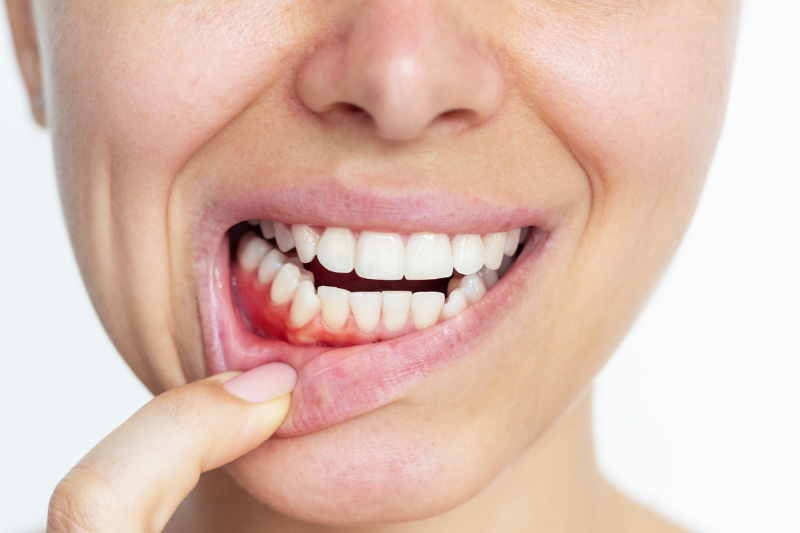
Swollen Gums in Wetherill Park – Causes, Treatment and When to See a Dentist
Swollen gums in Wetherill Park are often an early sign that something is affecting your oral health. While mild gum swelling may seem harmless at first, ongoing redness, puffiness or tenderness around the gums can indicate plaque buildup, gum disease or infection....