
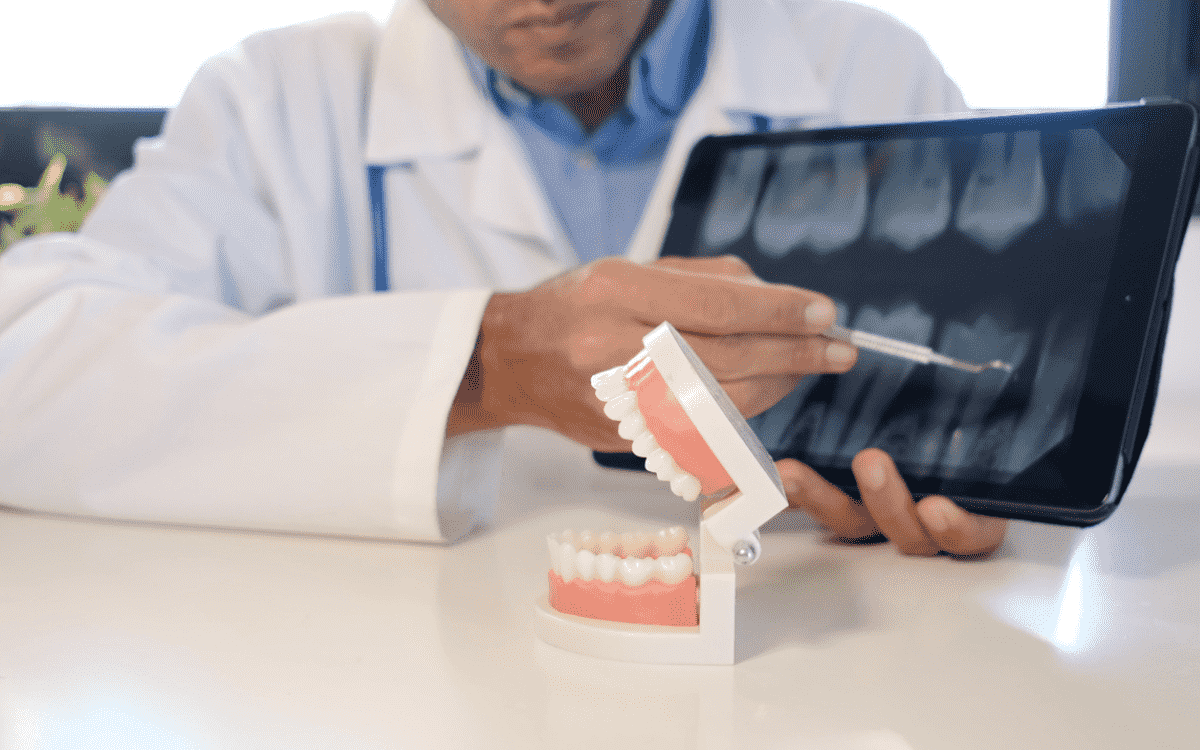
Does food keep getting stuck between the same two teeth, no matter how carefully you eat or floss?
Perhaps meat keeps catching between your back teeth, popcorn becomes lodged near your gums, or food suddenly starts collecting in a space that never caused problems before.
Food stuck between teeth is common, but repeated trapping in the same area may indicate an open contact between teeth, a worn filling, gum recession or another dental problem.
If you cannot remove the food easily, avoid forcing sharp objects between your teeth. Gentle flossing and rinsing with water may help. However, if the problem keeps returning, it is worth finding out why.
At Dr Raymond Platon & Associates in Wetherill Park, we assess recurring food trapping to identify possible causes and explain whether changes to oral hygiene, monitoring or dental treatment may be appropriate.
Why Does Food Get Stuck Between Teeth?
Food commonly becomes trapped because of the shape of the teeth, the spaces between them or the type of food being eaten.
Fibrous foods such as meat, vegetables and popcorn can become wedged between neighbouring teeth. Occasional trapping is common and does not necessarily indicate a dental problem.
However, food repeatedly becoming stuck between the same two teeth may suggest a change in the contact between them or the surrounding gums.
Changes involving fillings, crowns, gum recession or tooth position can sometimes create areas where food accumulates more easily.

Food can become trapped between teeth during meals, particularly when eating sticky or fibrous foods.
How to Remove Food Stuck Between Teeth Safely
If food becomes trapped between your teeth, start with gentle cleaning rather than trying to force it out.
- Rinse your mouth with water to loosen food particles.
- Carefully guide dental floss between the teeth without snapping it against the gums.
- Curve the floss around each tooth and move it gently along the tooth surface.
- Use an appropriately sized interdental brush if recommended by your dental professional.
- Stop if the area becomes painful or the cleaning device is difficult to insert.
Avoid pins, needles, sharp toothpicks or other improvised objects. These may injure the gums or damage nearby restorations.
If food remains trapped despite gentle cleaning, contact a dentist rather than repeatedly forcing objects between the teeth.
Why Is Food Suddenly Getting Stuck Between My Teeth?
If food has recently started getting trapped in an area that was previously comfortable, something may have changed.
Possible explanations include a chipped or worn filling, changes around a crown, gum recession or tooth movement.
Sometimes the difference is subtle. You may only notice it when eating meat or other fibrous foods that become wedged between two teeth.
Sudden food trapping does not automatically mean tooth decay or gum disease is present. However, if it repeatedly occurs in the same location, a dental examination can help identify the cause.
Common Causes of Food Stuck Between Teeth in Wetherill Park
Natural Gaps or Open Contacts Between Teeth
Some people naturally have spaces between teeth that allow food to collect during meals.
When neighbouring teeth do not contact each other firmly enough, food may become wedged between them. Dentists sometimes describe this as an open contact.
Not every gap requires treatment. However, persistent trapping associated with gum irritation or discomfort may warrant assessment.
Worn, Chipped or Damaged Fillings
A filling can change shape because of wear, fracture or damage. If this affects the contact between neighbouring teeth, food may become trapped more frequently.
You might notice food suddenly catching in one area or floss feeling different when passing between the teeth.
Depending on the findings, a dentist may recommend monitoring, adjusting or replacing the restoration.
Learn more about Dental Fillings in Wetherill Park.
Gum Recession or Periodontal Disease
Changes in gum position and the supporting tissues around teeth may create spaces where food accumulates.
Gum recession can expose areas previously covered by gum tissue. Periodontal disease may also contribute to changes in the spaces between teeth.
Food trapping alone does not confirm gum disease. However, associated symptoms such as bleeding, swelling, persistent bad breath or tooth mobility should be assessed.
Read more about Gum Disease Treatment in Wetherill Park.
Cracked or Damaged Teeth
A chipped or damaged tooth may develop an uneven surface where food catches.
Some people also notice discomfort when biting, sensitivity or a rough edge against the tongue.
However, food trapping does not necessarily indicate a cracked tooth. A dental examination can help determine whether the tooth structure has changed.
For further information, read our article about Cracked Teeth in Wetherill Park.
Crowns or Other Dental Restorations
A crown or restoration that does not maintain suitable contact with an adjacent tooth may allow food to become trapped.
Changes in the surrounding teeth or gums can also affect how food moves through the area.
A dentist can examine the restoration and neighbouring teeth to determine whether adjustment or another approach may be appropriate.
Learn more about Dental Crowns in Wetherill Park.
What If Food Is Stuck Between Your Teeth and Will Not Come Out?
Sometimes food becomes tightly wedged between two teeth or near the gumline.
You may feel pressure, tenderness or the sensation that something remains trapped even after flossing.
If gentle cleaning does not help, avoid repeatedly forcing floss or other objects into the area.
A dentist can examine the space, remove trapped material if present and check for other possible causes of discomfort.
If you develop increasing pain, swelling or discharge, seek prompt dental advice.
Can Food Stuck Between Teeth Cause Pain?
Yes. Food wedged tightly between teeth may place pressure on the surrounding gum tissue and cause local discomfort.
Repeated food trapping may also contribute to plaque accumulation and irritation, particularly when the area is difficult to clean.
However, pain between teeth is not always caused by trapped food. Tooth decay, gum inflammation, a damaged restoration or a cracked tooth may produce similar symptoms.
If discomfort continues after cleaning or becomes worse when chewing, a dental examination can help identify the cause.
Why Does Meat Keep Getting Stuck Between My Back Teeth?
Meat contains fibres that can become wedged between neighbouring teeth, particularly where the contact is open or the tooth surfaces are uneven.
Back teeth are commonly affected because they are used for chewing and have multiple contact areas.
If meat repeatedly becomes trapped between the same two molars, possible contributing factors include a worn filling, an open contact or changes around the gums.
Rather than repeatedly forcing floss into the area after every meal, consider having the teeth examined.
Food Stuck Between Teeth for Days: Should You Worry?
If you believe food has remained trapped for several days, arrange a dental assessment, particularly if the area feels sore or swollen.
Trapped material may contribute to local irritation. However, the sensation of something being stuck does not always mean food is still present.
Gum inflammation or another dental condition can sometimes produce a similar feeling.
A dentist can check the area and determine whether trapped material or another problem requires attention.
Signs You Should See a Dentist
Occasional food trapping does not always require treatment. However, certain symptoms or patterns suggest that an examination may be helpful.
- Food repeatedly becomes stuck between the same two teeth.
- The problem has started suddenly or is becoming more frequent.
- You experience gum tenderness, swelling or bleeding.
- Floss catches, shreds or repeatedly breaks in one area.
- You notice discomfort when biting or chewing.
- A tooth or filling feels rough, chipped or damaged.
- Food remains trapped despite gentle cleaning.
- You experience persistent bad breath or an unpleasant taste.
These symptoms do not confirm a particular diagnosis. However, examining the area can help determine whether changes to the teeth, restorations or gums are contributing.
Tired of Food Getting Stuck Between the Same Two Teeth?
If you find yourself reaching for floss after almost every meal, there may be a reason food keeps catching in that particular spot.
At Dr Raymond Platon & Associates in Wetherill Park, we can examine the contact between your teeth, check existing fillings or crowns, and assess the surrounding gums.
Find out what may be causing the problem and whether treatment is necessary.
Call (02) 9609 2935 to arrange a dental examination at 70 Lily St, Wetherill Park NSW 2164.
How Dentists Treat Food Trapping
Treatment depends on why food is becoming trapped. Not every case requires a filling, crown or another dental procedure.
At our Wetherill Park dental clinic, an examination may include checking the contact between teeth, existing restorations, gum health and areas of discomfort.
Depending on the findings, management may involve:
- Advice on suitable flossing or interdental cleaning techniques.
- Adjusting or replacing a damaged restoration when clinically indicated.
- Assessing and managing gum inflammation or periodontal disease.
- Restoring a damaged tooth where appropriate.
- Monitoring a space that does not require intervention.
Some situations are more complex, and treatment may not eliminate food trapping completely. Your dentist can explain the expected benefits, limitations, risks and alternatives before proceeding.
Learn more about Dental Check Ups in Wetherill Park.
For independent oral health information, visit the Australian Dental Association.
How to Prevent Food Getting Stuck Between Teeth
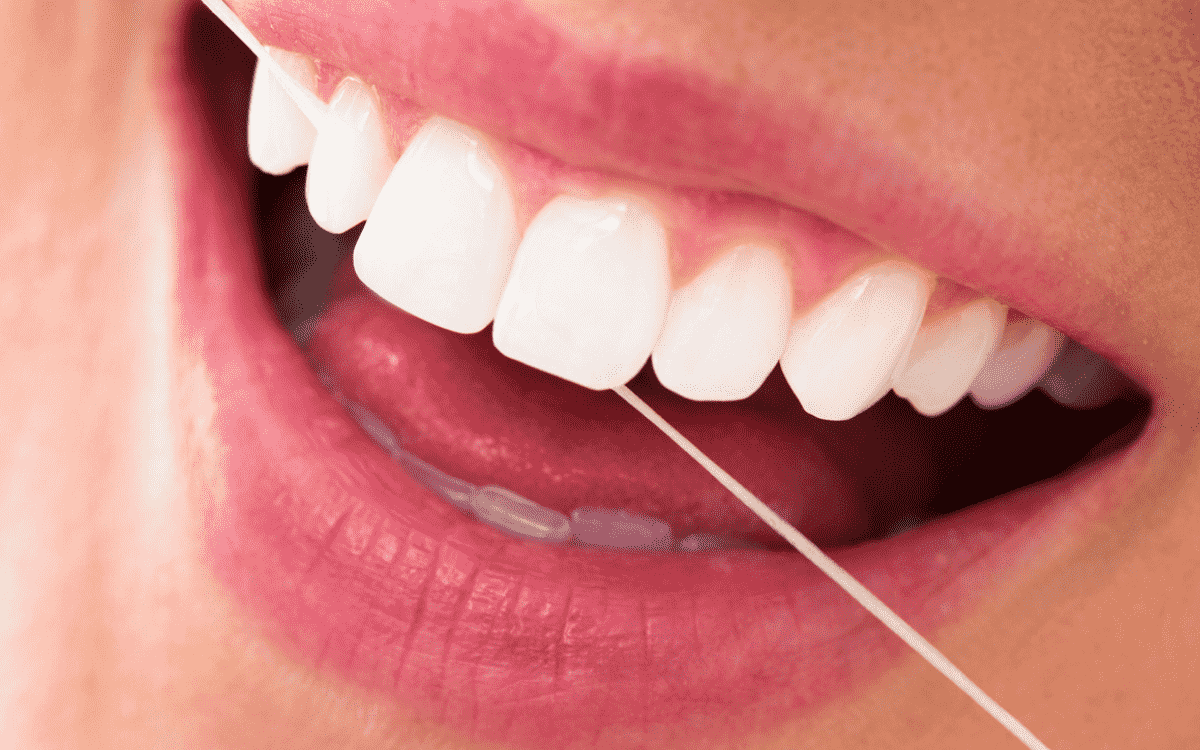
Gentle daily interdental cleaning helps remove food debris and plaque from areas a toothbrush may not reach.
Although some causes of food trapping require professional assessment, good daily habits can help keep the spaces between teeth clean.
- Brush twice daily using fluoride toothpaste.
- Clean between teeth regularly using floss or another suitable interdental cleaning method.
- Avoid forcing cleaning devices into tight spaces.
- Attend dental examinations at intervals recommended for your oral health needs.
- Have damaged fillings, crowns or teeth assessed.
- Seek advice if food repeatedly becomes trapped in the same area.
Daily cleaning helps manage food debris and plaque, but it cannot correct every structural cause of food trapping. If a tooth contact or restoration is contributing, professional assessment may be needed.
Frequently Asked Questions
Why does food suddenly start getting stuck between my teeth?
Food may suddenly become trapped when the contact between neighbouring teeth changes. Possible causes include a chipped filling, gum recession, tooth movement or changes around a crown. A dental examination can help identify the reason if the problem continues.
Can food stuck between teeth cause gum problems?
Repeated food trapping may contribute to local gum irritation and make plaque control more difficult. However, gum inflammation has several possible causes. A dentist can assess whether food trapping is contributing to your symptoms.
Is it normal for food to get stuck between teeth?
Occasional food trapping is common, especially with fibrous foods. However, if food repeatedly becomes stuck between the same two teeth or causes pain, it is worth having the area examined.
What should I do if floss cannot remove trapped food?
Try rinsing with water and using gentle flossing techniques. Do not force sharp objects or oversized cleaning devices between the teeth. If the material remains trapped or the area becomes painful, contact a dentist.
Can a dentist fix food trapping problems?
In some cases, treatment may reduce food trapping by addressing a damaged filling, tooth surface, restoration or periodontal problem. The appropriate approach depends on the cause, and not every case requires treatment or can be completely corrected.
Why does food keep getting stuck between my molars?
Food may become trapped between molars because of their contact shape, an open contact, changes in a filling or crown, or gum recession. If it repeatedly occurs in the same area, a dental examination can help identify the cause.
Can food stuck between teeth cause a toothache?
Trapped food can sometimes create pressure and irritate nearby gum tissue. However, a toothache may also be caused by decay, a cracked tooth or another dental condition. Persistent pain should be assessed rather than assumed to result only from food trapping.
What if food has been stuck between my teeth for days?
If you cannot remove suspected trapped food gently, arrange a dental examination. The dentist can check whether material remains in the area and assess for gum inflammation or another cause of discomfort.
You May Also Like
If food frequently becomes trapped between your teeth, these related articles may also be helpful:
- Toothache at Night in Wetherill Park
- Cracked Tooth in Wetherill Park
- Swollen Gums in Wetherill Park
- Dental Fillings in Wetherill Park
Book a Dental Check Up in Wetherill Park
Food should not have to become a problem after every meal. If it repeatedly gets stuck between the same teeth, a dental examination can help determine whether a filling, crown, tooth contact or gum condition is contributing.
At Dr Raymond Platon & Associates, we assess recurring food trapping and explain whether preventive care, monitoring or treatment may be appropriate.
We welcome patients from Wetherill Park, Bossley Park, Prairiewood, Fairfield West, Wakeley, St Johns Park, Greenfield Park and Smithfield.
Dr Raymond Platon & Associates
70 Lily St, Wetherill Park NSW 2164
Call (02) 9609 2935 to arrange an appointment.
Find our clinic on Google Maps.
About the Author
Dr Raymond Platon & Associates has a practice history spanning more than 30 years in Wetherill Park. Dr Raymond Platon took over the practice in 2002 and provides general, preventive and restorative dental care.
This article provides general oral health information and does not replace an individual dental examination. Treatment suitability, expected benefits, risks, limitations and alternatives depend on clinical findings. Outcomes vary between patients.
Published on: 10 March 2026
Updated on: 26 October 2026