
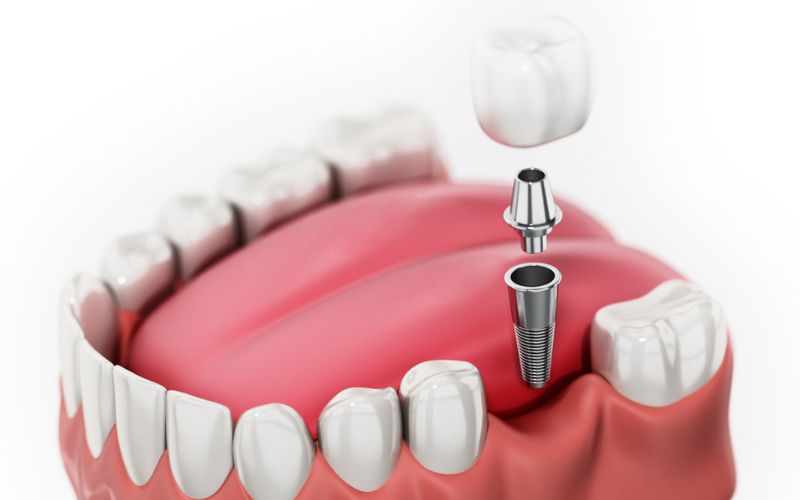
If you are missing one tooth, you may be wondering what a single tooth implant procedure actually involves and how long the process takes. You may also be comparing a dental implant with a bridge or another way of replacing the missing tooth. Understanding the treatment stages, healing period and final crown can make it easier to know what questions to ask before deciding whether an implant may be suitable for you.
A single tooth implant is one possible way to replace an individual missing tooth. Treatment usually happens over several stages rather than at one appointment because the implant needs time to heal within the jaw before the final crown can be completed.
At Dr Raymond Platon & Associates in Wetherill Park, single tooth implant treatment is provided by Dr Ninos Chamo, Dentist, AHPRA registration DEN0002607262. Whether an implant may be suitable depends on the individual tooth, available bone, gum health, neighbouring teeth, medical history and other clinical considerations.
If you are already considering treatment, you can also read about our single tooth dental implant service in Wetherill Park or contact our practice to arrange a free initial implant consultation.
The initial consultation is free and there is no obligation to proceed. CBCT imaging, other imaging and additional procedures, if required, are not included and may involve separate fees.
Quick answer: What does a single tooth implant procedure involve?
A single tooth implant procedure replaces one missing tooth using an implant placed into the jaw and a dental crown that forms the visible replacement tooth. Treatment generally starts with an examination and planning. If suitable, the implant is placed using local anaesthetic and then given time to heal within the surrounding bone. Once healing is considered adequate, the final crown can be completed. The whole process usually requires more than one appointment and often extends over several months. The exact sequence varies because bone condition, gum health, the position of the tooth, whether an extraction is required and individual healing can all affect treatment.
Healthdirect describes dental implant treatment in Australia as a staged procedure that normally requires several appointments.
What exactly replaces the missing tooth?
Patients often refer to the complete replacement tooth as an implant, but the implant is actually the component placed within the jaw.
For a single missing tooth, the implant supports the final dental crown above the gum.
The crown is the part that is visible when you smile or chew. It is planned around the available space, bite, surrounding teeth and gum tissues.
This is different from a conventional dental crown, where the crown usually covers an existing natural tooth.
Healthdirect describes the implant itself as a metal screw, usually made from titanium, that is placed where the missing tooth root was located.
What happens before a single tooth implant procedure?
For many patients, this is the most important appointment because it determines whether implant treatment should be considered at all.
During the consultation, Dr Ninos Chamo, Dentist, AHPRA registration DEN0002607262, assesses the missing tooth area and looks at the surrounding teeth, gums, available space and bite. Relevant medical conditions, medications, smoking and other factors that may affect treatment or healing also need to be considered.
Imaging may be required to assess the bone and surrounding anatomy before a final treatment plan can be made.
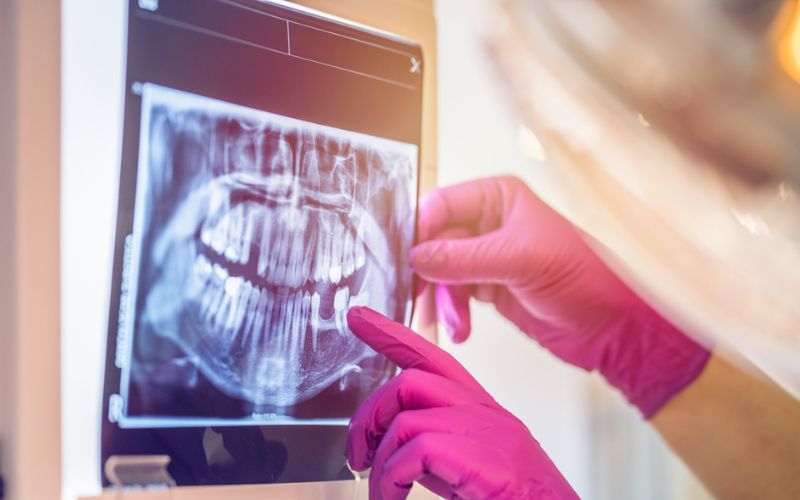
Dental imaging may form part of the assessment before implant treatment. Additional imaging may be recommended depending on the individual situation.
The purpose of the consultation is not simply to decide where to put an implant.
It is to answer several more useful questions.
Is replacing the tooth appropriate?
Is an implant a reasonable option?
Are the gums healthy enough for treatment?
Is there enough bone to support the proposed implant?
Would another option make more sense?
What additional investigations might be required?
What would treatment involve for this particular tooth?
Healthdirect recommends that patients understand the potential benefits, risks, alternatives, recovery and costs of dental treatment before proceeding.
What if the tooth is still there?
Not every patient begins implant treatment with an empty space.
Sometimes a tooth is still present but has been assessed as unable to be predictably restored. If removal is required, tooth extraction becomes part of the overall planning.
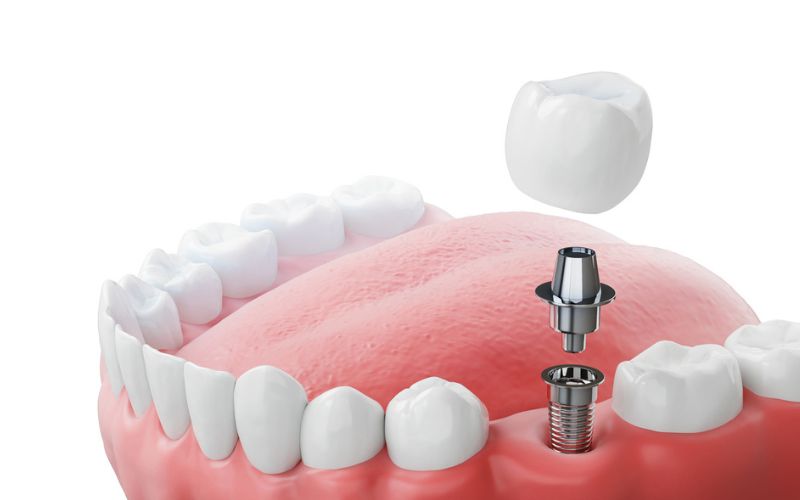
Some patients may require tooth removal before implant treatment. The timing of implant placement depends on the individual clinical situation.
A common question is whether the implant can be placed immediately after the tooth is removed.
Sometimes this may be considered, but it is not appropriate for every extraction site.
The condition of the bone, surrounding gum tissues, infection, anatomy and the ability to achieve appropriate implant stability all influence that decision.
For some patients, a period of healing before implant placement may be recommended.
This is why the treatment sequence should be based on the clinical condition of the site rather than trying to fit every patient into the same timetable.
What happens on the day of a single tooth implant procedure?
If implant treatment has been planned and is considered suitable, local anaesthetic is used to numb the treatment area.
The implant is then positioned within the jaw according to the treatment plan.
Healthdirect confirms that implant placement is normally performed using local anaesthetic.
After the procedure, you will receive instructions relevant to your treatment and recovery.
Some discomfort, bruising, gum swelling, facial swelling or bleeding can occur following implant surgery. The extent varies between patients.
That is why we do not describe implant placement as completely pain free.
If symptoms following treatment concern you, contact the practice for advice rather than relying on general information online.
What is healing like after a single tooth implant procedure?
This is the stage patients cannot see, but it is one of the most important.
After placement, bone gradually heals around the implant. This process is called osseointegration. Healing is an important part of a single tooth implant procedure because the surrounding bone needs time to heal around the implant before the final restoration can be completed.
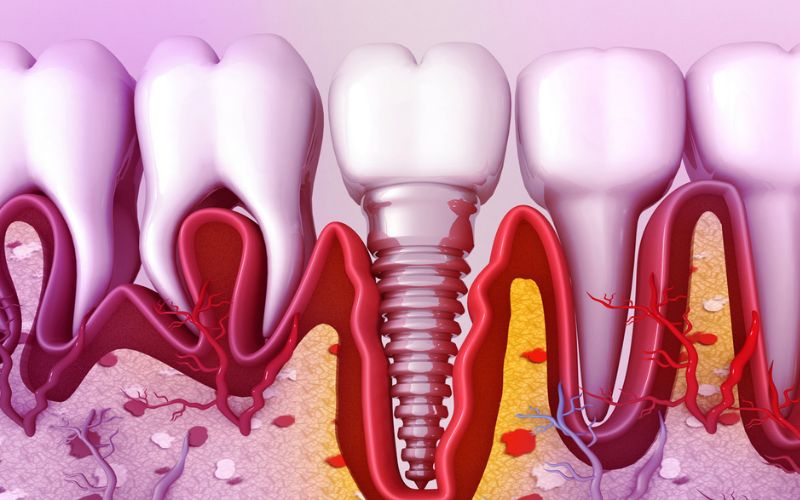
Osseointegration is the healing process in which bone develops around the dental implant before the final crown is completed.
Healthdirect states that bone generally grows around a dental implant over approximately three months, although individual treatment timing can vary.
Healing is not simply waiting for a date on the calendar.
The implant and surrounding tissues need to be assessed before moving on to the final restoration.
Factors such as the location of the implant, available bone, gum health, smoking, general health, oral hygiene and whether additional treatment was required may influence the overall timeline.
For this reason, two patients replacing the same type of tooth may not necessarily follow exactly the same treatment schedule.
How long does a single tooth implant procedure take?
For many patients, a single tooth implant procedure takes several months from initial planning through to completion of the final crown.
However, there is no single treatment time that applies to everyone.
Someone who already has a well healed missing tooth site may follow a different pathway from someone who first requires extraction.
Treatment may also take longer where additional healing or other procedures are required.
Healthdirect describes implant treatment as occurring in stages over a period of months.
A more useful question during consultation is therefore:
How long is treatment likely to take in my case?
After the site has been assessed, Dr Ninos Chamo, Dentist, AHPRA registration DEN0002607262, can discuss the expected stages and likely treatment timing based on the individual situation.
Will I have a missing tooth while the implant heals?
This is particularly important to people replacing a visible tooth.
Depending on the location of the missing tooth, the condition of the site and the treatment plan, a temporary replacement may sometimes be possible.
The appropriate option depends on the individual circumstances.
For a front tooth, appearance during healing may be a major concern. However, any temporary restoration also needs to be planned so that it does not interfere unnecessarily with the surgical area or healing.
If being without a visible tooth is one of your main concerns, discuss it during the consultation rather than waiting until the day of treatment.
Does it matter whether the missing tooth is at the front or the back?
Yes, because different areas of the mouth create different planning considerations.
For a front tooth, the shape of the gum, tooth position, visible tooth proportions and appearance of the final crown can be particularly important.
For a back tooth, available space, bite forces and access for cleaning may receive greater emphasis.
Neither area is automatically simple.
Implant planning needs to consider how that particular replacement tooth will function within the rest of the mouth.
When is the crown fitted after a single tooth implant procedure?
The final crown is generally completed after the implant has healed sufficiently and is considered ready for restoration.
The crown is planned to work with the surrounding teeth, available space and bite.
Patients sometimes assume that once the implant has been placed, the most important part of treatment is finished.
In reality, the restorative stage also requires careful planning.
A well positioned implant still needs a crown that can function appropriately, fit the available space and allow access for cleaning.
You can read more about restorative treatment through our dental crowns in Wetherill Park information.
What can you eat after dental implant placement?
Your individual instructions should always take priority.
Healthdirect notes that softer foods may be recommended while an implant surgical site is healing.
Exactly what you can eat and when you can return to your normal diet depends on the treatment performed and how the area is healing.
Rather than following a generic online meal plan, use the instructions provided for your own procedure.
When can you return to work after an implant?
There is no universal answer.
Some people may feel comfortable returning to normal activities relatively quickly. Others may prefer more recovery time, particularly if the procedure was more involved or their work is physically demanding.
Your dentist can give more relevant guidance once the planned treatment and your individual circumstances are known.
What is normal during healing?
Some temporary discomfort, swelling, bruising or bleeding may occur after implant placement. Healthdirect identifies these as recognised effects following the procedure.
Recovery varies from person to person.
If pain, swelling, bleeding or any other symptom concerns you, contact your dental practice for individual advice.
Online articles are useful for general education, but they cannot assess whether a particular symptom is normal for your procedure.
Is an implant always better than a bridge?
No.
A single tooth implant usually supports the replacement independently, while a conventional bridge generally relies on neighbouring teeth for support.
If the teeth beside the gap are healthy, avoiding unnecessary preparation of those teeth may be an important consideration.
However, there are also circumstances where a bridge may be a reasonable treatment option. This can include situations where neighbouring teeth already require crowns, implant treatment is not suitable, or the patient prefers another approach.
You can read more about dental bridges in Wetherill Park if you are comparing the two options.
We deliberately keep the detailed implant versus bridge comparison separate from this article because it is a different patient question and deserves its own explanation.
What if I have gum disease?
Gum health matters before and after implant treatment.
Active periodontal disease may need to be addressed before an implant is considered.
After treatment, plaque control and ongoing professional review remain important because the gums and bone surrounding the implant still need to remain healthy.
If you already have concerns about gum disease, bleeding gums or previous periodontal treatment, you can read more about our periodontal and gum care.
Healthdirect also states that healthy gums are an important consideration before dental implant treatment.
How do you clean a dental implant?
A dental implant is not maintenance free.
The implant crown cannot decay in the same way as a natural tooth, but plaque and inflammation can still affect the tissues around it.
Healthdirect recommends brushing the teeth and gums twice daily, cleaning between the implant and neighbouring teeth and attending regular dental examinations.
How you clean around your particular implant restoration can be demonstrated after treatment.
Long term maintenance is part of implant care, not an optional extra once the crown has been fitted.
What are the risks of dental implant treatment?
Dental implant placement is a surgical procedure and no surgical treatment is completely without risk.
Healthdirect lists possible complications including infection, nerve damage, sinus problems and injury or damage to surrounding teeth.
Other implant related problems can involve healing or integration of the implant and inflammation affecting the tissues around it.
The risks that matter most depend on the exact implant location, anatomy and individual health circumstances.
AHPRA advertising guidance specifically warns against minimising treatment risk or creating unrealistic expectations about healthcare outcomes.
This is why the consultation and informed consent process are important before deciding whether to proceed.
What should you ask before choosing an implant?
A useful implant consultation should help you understand the complete treatment rather than simply telling you the price.
Consider asking these questions.
- Why might an implant be suitable for this tooth?
- Do I have other reasonable options?
- Does the existing tooth need to be removed?
- What imaging will be required?
- Is additional treatment likely to be needed?
- How long might the whole process take in my case?
- Will I have a temporary tooth during healing?
- What are the main risks relevant to this implant site?
- What maintenance will I need after treatment?
- What will the total treatment involve through to the final crown?
Healthdirect encourages patients to ask about the benefits, risks, alternatives, expected recovery and costs before dental treatment.
When should you consider booking an implant consultation?
You do not need to have already decided that you want an implant.
A consultation can be useful if you have one missing tooth and want to understand the available replacement options, or if you have been told that an existing tooth may not be restorable.
The consultation can also help determine whether a single tooth implant procedure may be appropriate for your situation and what treatment stages may be required.
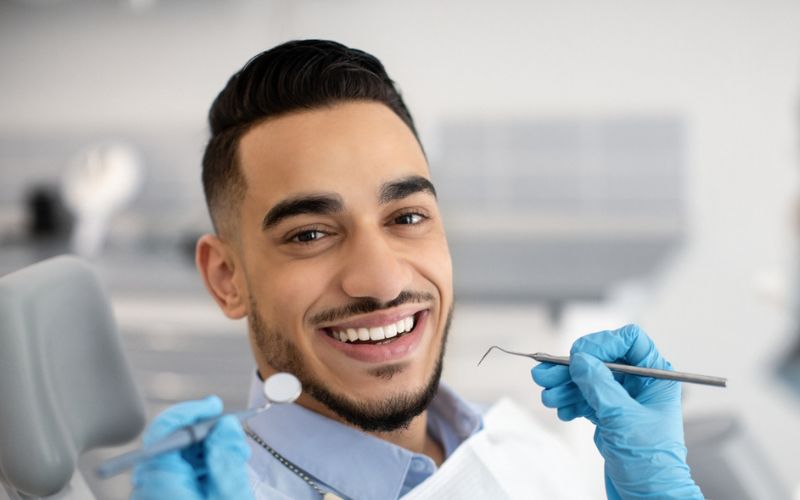
A dental consultation can help patients understand whether implant treatment may be suitable and what other replacement options may be available.
The purpose is to assess the situation and provide information that applies to your mouth.
At Dr Raymond Platon & Associates, our Wetherill Park clinic also welcomes patients from nearby communities including Bossley Park, Prairiewood, Fairfield West, Greenfield Park, St Johns Park and Wakeley.
These local links are intentional. Your current site already has dedicated area pages for these surrounding suburbs, which gives us a better way to strengthen geographic relevance than repeatedly inserting suburb names throughout the article.
Considering a single tooth implant procedure in Wetherill Park?
If you are considering a single tooth implant procedure, reading about the process can help you understand the treatment, but an article cannot determine whether an implant is appropriate for your missing tooth.
Dr Raymond Platon & Associates offers a free initial dental implant consultation in Wetherill Park for patients considering replacement of one missing tooth.
During the consultation, Dr Ninos Chamo, Dentist, AHPRA registration DEN0002607262, can assess the area, discuss the available treatment options and explain what the next steps may involve.
The consultation is free and there is no obligation to proceed. CBCT imaging, other imaging and additional procedures, where required, are not included and may involve separate fees. This matches the current offer stated on your implant service page.
You can contact our Wetherill Park dental practice or book an appointment online.
Prefer to speak with us? Call (02) 9609 2935 and ask about the free initial dental implant consultation.
If the cost of treatment is part of your decision, you can also read about our dental payment plan options.
Frequently Asked Questions
How long does a single tooth implant procedure take?
The overall treatment commonly extends over several months because healing is required before the final restoration is completed. The exact timing depends on the tooth, the condition of the site, whether extraction or additional treatment is required and individual healing.
Does getting a dental implant hurt?
Local anaesthetic is generally used during implant placement. Some discomfort, swelling, bruising or bleeding may occur afterwards. The experience varies between patients, so treatment should not be described as universally pain free.
How long does the implant need to heal?
Healthdirect states that bone generally grows around an implant over approximately three months. However, the actual timing for an individual patient may differ and the implant should be assessed before the final restoration is completed.
Can an implant be placed immediately after a tooth is removed?
It may be possible in some circumstances, but it is not appropriate for every extraction site. The condition of the bone and gum tissues, infection, anatomy and implant stability can influence the decision.
Can I have an implant if the tooth has been missing for years?
Possibly. The length of time a tooth has been missing does not by itself determine suitability. The amount of available bone, gum health, space and other clinical factors need to be assessed.
Will I have a temporary tooth while the implant heals?
A temporary replacement may sometimes be possible. The appropriate option depends on the position of the missing tooth, bite, surgical site and overall treatment plan.
Is a dental implant better than a bridge?
Not automatically. An implant and a bridge replace a missing tooth in different ways. The more appropriate option depends on the neighbouring teeth, available bone, gum health, preferences and individual clinical circumstances.
How long does a dental implant last?
There is no guaranteed lifespan. Long term outcomes can be influenced by oral hygiene, gum and bone health, smoking, bite forces, general health, maintenance and other factors.
Can smoking affect dental implant treatment?
Yes. Smoking is one of the factors that should be considered when assessing implant suitability and healing risk. Healthdirect advises patients who smoke to inform their dental professional before implant treatment.
Do dental implants need regular dental visits?
Yes. Healthdirect recommends regular dental examinations after implant treatment, together with daily brushing and cleaning between the implant and neighbouring teeth.
Independent Australian information about dental implants
For additional independent patient information, read the Healthdirect dental implant guide.
Healthdirect is a government funded Australian health information service and its implant guide covers treatment stages, preparation, recovery, recognised complications, maintenance and alternatives.
About the Author
This article was prepared for Dr Raymond Platon & Associates in Wetherill Park to provide general information for patients considering replacement of one missing tooth.
Single tooth implant treatment at the practice is provided by Dr Ninos Chamo, Dentist, AHPRA registration DEN0002607262.
This information is general and does not replace an individual dental examination, diagnosis or personalised treatment advice. Suitability, treatment timing, risks and outcomes vary between patients.
Published: 15 September 2026
Updated: 15 September 2026