
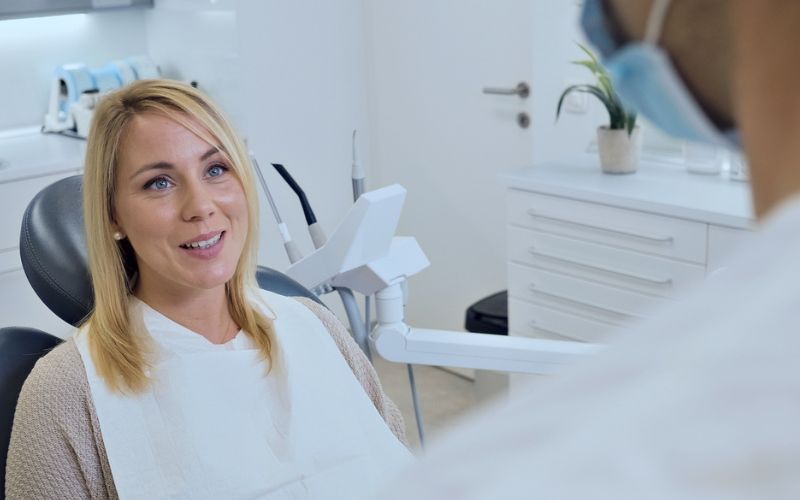
It is quite common for someone looking for a cosmetic dentist in Wetherill Park to already have an idea of which treatment they may want. They might be thinking about veneers, whitening, bonding or clear aligners, while others simply know there is something about their smile they would like to change.
They may say, “I think I need veneers,” or “I just want my teeth whitened.” Some people have been looking at bonding or clear aligners online. Others are less certain. They simply know that there is something about their smile they would like to change.
Both situations are completely normal.
In practice, the first question is usually not which cosmetic treatment should we do?
It is:
What is actually bothering you, and why?
The answer matters because teeth can look different for many reasons. Colour, tooth shape, position, spacing, old dental work, wear, gum levels and the way the teeth meet can all affect how a smile looks.
At Dr Raymond Platon & Associates in Wetherill Park, cosmetic treatment planning starts with an examination and a conversation. The aim is to understand what you would like to change, assess the health and function of your teeth, and then explain which options may reasonably be considered.
Sometimes the treatment a patient originally had in mind is appropriate. Sometimes there may be a simpler or more conservative alternative. Occasionally the sensible first step is to treat an underlying dental problem before considering anything cosmetic.
That is why a consultation comes before choosing the treatment.
If you are considering cosmetic dentistry in Wetherill Park, you do not need to know exactly what treatment you want before you come in. An examination can help you understand the options that may be suitable for your teeth.
What Can a Cosmetic Dentist in Wetherill Park Help With?
A cosmetic dentist can assess concerns about the colour, shape, position, spacing or overall appearance of teeth, while also considering oral health, function and the bite.
Depending on the individual patient, treatment options may include professional teeth whitening, composite bonding, porcelain or composite veneers, dental crowns, orthodontic treatment or clear aligner treatment.
There is no single cosmetic dental treatment that is appropriate for everyone.
Before making a recommendation, a dentist needs to assess the condition of the teeth and gums, understand what the patient hopes to change, and discuss the potential benefits, risks, limitations and alternatives.
When patients visit a cosmetic dentist in Wetherill Park, the first step is usually to understand what they would like to change and assess their overall oral health.
Cosmetic Dentistry Is Not One Treatment
The term cosmetic dentistry can make it sound as though there is one particular procedure for improving a smile.
There is not.
Two people may be concerned about almost the same thing but need completely different advice.
For example, a patient may dislike a gap between two front teeth. Depending on the size of the space, tooth proportions, bite and the patient’s preferences, options could potentially include bonding, orthodontic treatment or veneers.
Another person may say their teeth look uneven, but the real issue may be that one tooth has moved.
Someone else may be unhappy with the colour of their smile but already has several crowns on their front teeth. Whitening those natural teeth without considering the existing restorations may produce a colour difference.
This is why choosing the treatment before examining the teeth can put things backwards.
What Does a Dentist Look At During a Cosmetic Assessment in Wetherill Park?
A cosmetic assessment is not simply about looking at whether teeth are white or straight.
Several factors usually need to be considered together.
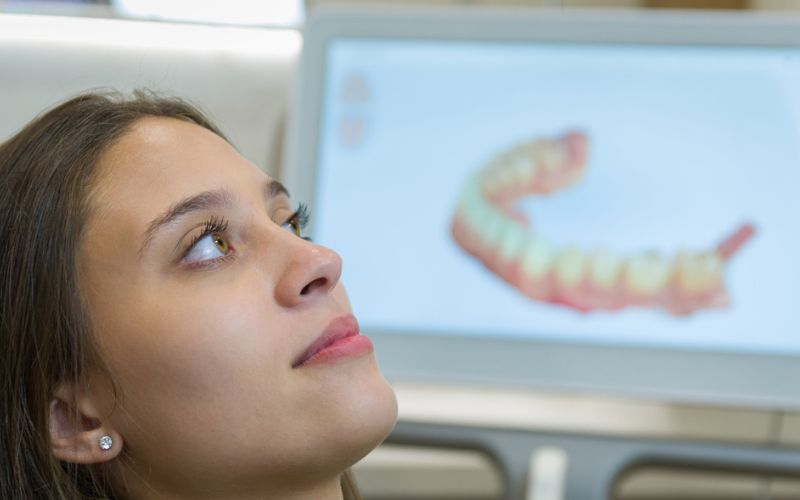
A digital dental assessment can help the dentist review tooth position, shape and other factors before discussing cosmetic treatment options.
Tooth colour
Teeth naturally vary in colour.
They can also darken because of ageing, staining, previous dental treatment, trauma or changes inside a tooth.
If colour is the main concern, whitening may be worth discussing. However, different types of discolouration respond differently, and existing fillings, crowns and veneers do not whiten in the same way as natural teeth.
Tooth shape and proportions
Some teeth are naturally smaller, wider, shorter or more rounded than neighbouring teeth.
Other changes develop over time because of wear, chipping or grinding.
Minor shape concerns may sometimes be addressed conservatively. More extensive changes may require a different approach.
Tooth position
A cosmetic concern is sometimes really an orthodontic concern.
Crowded, rotated, protruding or spaced teeth may affect the appearance of a smile even when the individual teeth themselves are healthy.
In those situations, it can be worth considering whether changing the position of the teeth is preferable to changing their surfaces.
Existing fillings, veneers or crowns
Older dental work needs to be considered as part of the overall smile.
Restorations can wear, chip or change in appearance over time, and their colour may no longer match surrounding teeth.
Gum health
Healthy gums provide the foundation around the teeth.
If gums are inflamed, bleeding or affected by periodontal disease, this generally needs to be addressed before elective cosmetic treatment is considered.
The bite
The way the upper and lower teeth meet is easy to overlook when people focus only on appearance.
However, bite forces can influence the longevity of bonding, veneers, crowns and even natural teeth.
A patient who clenches or grinds heavily, for example, may require different treatment planning from someone who does not.
A consultation with a cosmetic dentist in Wetherill Park may involve discussing several different options rather than focusing immediately on one treatment.
Professional Teeth Whitening: When Colour Is the Main Concern
If somebody is generally comfortable with the shape and position of their teeth but would like them to appear lighter, professional teeth whitening in Wetherill Park may be one of the options discussed.
Whitening is often regarded as a relatively conservative cosmetic treatment because the intention is to change the colour of the natural teeth rather than alter their shape.
However, there are limitations.
Whitening does not make every person’s teeth the same shade. Different teeth may respond differently, and certain types of discolouration can be more resistant.
Existing crowns, veneers and fillings also do not whiten like natural enamel.
We see this quite often in practice. A patient may initially think that whitening alone will make every visible tooth match perfectly, only to discover that an older crown or filling will remain its original colour.
That does not necessarily mean whitening cannot be considered. It simply means that it needs to be planned with the existing dental work in mind.
You can also read more about why professional teeth whitening does not work the same way for everyone.
Composite Bonding: Sometimes a Small Change Is Enough
Composite bonding in Wetherill Park involves placing tooth coloured restorative material directly onto a tooth and shaping it.
Depending on the circumstances, bonding may be considered for concerns such as a small chip, a minor gap, an uneven edge or a limited change in tooth shape.
One of the useful things about discussing several cosmetic options is that the most extensive treatment is not always necessary.
Sometimes a patient comes in expecting veneers when the concern is actually quite small.
That does not automatically mean bonding is the answer either.
Composite material can stain, chip or wear and may require maintenance. The bite also matters. Someone who places considerable force on their front teeth through grinding or clenching may have a different risk profile.
The appropriate option depends on the individual tooth and the individual patient.
Dental Veneers: What Are They Actually For?
Dental veneers in Wetherill Park may be considered when a patient has concerns involving the shape, colour, size or proportions of selected teeth.
A veneer covers the visible surface of a tooth and can be made from materials including porcelain or composite resin.
Veneers receive a lot of attention online, so some patients arrive believing they are the standard solution for almost any cosmetic concern.
They are not.
One conversation we regularly have is whether veneers are actually necessary for what the patient wants to change. A cosmetic dentist in Wetherill Park can assess whether veneers are appropriate or whether another option may be more conservative.
If the main concern is colour, professional whitening may be worth considering first.
If the teeth are crowded or rotated, orthodontic treatment may deserve consideration.
If the issue is a very small chip or shape discrepancy, bonding could potentially offer another option.
For other patients, after proper assessment, veneers may reasonably form part of a treatment plan.
The important point is that the treatment should follow the diagnosis, not the other way around.
What Is the Difference Between Crowns and Veneers?
Patients sometimes use the words crown and veneer almost interchangeably because both can change how a tooth looks.
They are quite different restorations.
A veneer generally covers the visible front portion of a tooth.
A crown covers substantially more of the tooth and is frequently used when there is also a structural reason for restoring it.
For example, a crown may be considered when a tooth has been heavily filled, significantly weakened, fractured or has undergone certain types of previous treatment.
Appearance can certainly be considered when planning a crown, particularly on a visible tooth, but the decision is not cosmetic alone.
We have a separate guide explaining the difference between dental crowns and veneers in Wetherill Park for patients who would like to understand the two options in more detail.
Sometimes Orthodontics Is the Cosmetic Treatment Worth Discussing
If the concern comes from the position of the teeth, changing their position can sometimes make more sense than changing their shape. A cosmetic dentist in Wetherill Park may also discuss orthodontic treatment when tooth position is contributing to the patient’s concern.
Depending on the individual case, orthodontic treatment in Wetherill Park may involve braces or clear aligners.
For suitable patients, Invisalign clear aligners in Wetherill Park may also be considered as an orthodontic option.
Orthodontic treatment generally takes longer than bonding or restorative cosmetic treatment, so it is understandable that some people initially look for a quicker alternative.
However, speed is not the only consideration.
If healthy teeth are crowded or rotated, it is worth understanding whether moving those teeth could address the concern without relying entirely on restorations to disguise their position.
That does not mean orthodontics is automatically the best choice.
For some patients it will be relevant. For others it will not.
A proper assessment allows the advantages and disadvantages of the reasonable options to be compared.
Is There One “Best” Cosmetic Dental Treatment?
No.
This is probably one of the most important things to understand about cosmetic dentistry.
There is no universal hierarchy where veneers are better than bonding, bonding is better than whitening, or orthodontics is better than everything else.
They solve different problems.
A useful way to think about it is:
If the main concern is colour: whitening may be considered.
If the concern is a small chip or limited shape difference: bonding may be considered.
If broader changes to the visible surface of selected teeth are being considered: veneers may be discussed.
If a tooth is also structurally compromised: a crown may be relevant.
If tooth position is the main issue: orthodontics may be worth considering.
Sometimes more than one option is reasonable.
That is where the discussion with the patient becomes important.
Does Cosmetic Dentistry Have to Look Obvious?
No.
A common concern we hear from patients is:
“I want to improve my teeth, but I don’t want them to look fake.”
That is a reasonable concern.
Natural teeth are not identical little white rectangles. They have variations in shape, shade, translucency and proportion.
The aim of cosmetic treatment does not have to be to create an artificial or dramatically different appearance.
Some patients prefer a subtle change that remains consistent with their natural tooth shape, facial features and overall appearance.
This is also why cosmetic treatment cannot be designed from a photograph alone.
Tooth position, lip movement, facial proportions, gum levels and the bite all contribute to the final appearance.
Do You Need “Perfect Teeth” Before Cosmetic Treatment?
There is no clinically useful definition of a perfect smile.
People have different faces, tooth shapes, skin tones, lip positions and preferences.
More importantly, a smile does not need to conform to one standard appearance to be healthy or attractive.
A better question is:
Is there something about your teeth that concerns you, and is there a clinically appropriate way of addressing it?
Sometimes there is.
Sometimes there are several options.
And sometimes a patient decides after discussing everything that they prefer not to have treatment.
That is also a valid decision.
Oral Health Comes Before Elective Cosmetic Treatment
Before elective cosmetic dental treatment is planned, the health of the teeth and gums needs to be assessed.
Problems that may need attention first can include:
- active tooth decay
- gum inflammation or periodontal disease
- dental infection
- cracked or weakened teeth
- significant tooth wear
- uncontrolled grinding or clenching
- problems with the bite
Improving the appearance of a tooth does not address untreated dental disease underneath it.
This is one reason a patient may occasionally come in ready to discuss a cosmetic procedure and leave the first appointment with a different priority.
It is not a delay for the sake of delaying treatment.
It is about getting the order right.
What Happens at a Cosmetic Dentistry Consultation in Wetherill Park?
When you see a cosmetic dentist in Wetherill Park, you do not need to arrive knowing which treatment you need.
Patients frequently explain their concerns very simply:
“I don’t like the colour of these teeth.”
“This tooth looks shorter than the one beside it.”
“My teeth have shifted.”
“There is a gap that bothers me.”
“I don’t know what I need. I just want to know what my options are.”
That is enough to start the conversation.
The dentist can then assess the teeth, gums, bite and any existing restorations.
Depending on what is being considered, further records such as photographs, X rays or digital scans may sometimes be appropriate.
The next step is to explain the reasonable treatment options.
That discussion should include not only the possible benefits, but also the limitations, risks, expected maintenance, alternatives and what may happen if no treatment is undertaken.
For elective cosmetic treatment, having time to understand those points is important.
How Do You Choose Between Several Cosmetic Options?
There are situations where more than one treatment could potentially address the same concern.
Suppose somebody dislikes a space between two front teeth.
Depending on the circumstances, possible discussions might include orthodontic movement, composite bonding or veneers.
Those options are not equivalent.
They differ in:
- how the natural tooth is treated
- treatment time
- cost
- maintenance
- longevity
- reversibility
- potential risks
- how the result may change over time
The dentist’s role is not simply to tell a patient which treatment is most expensive or most fashionable.
It is to explain the clinically reasonable options so that the patient can make an informed choice.
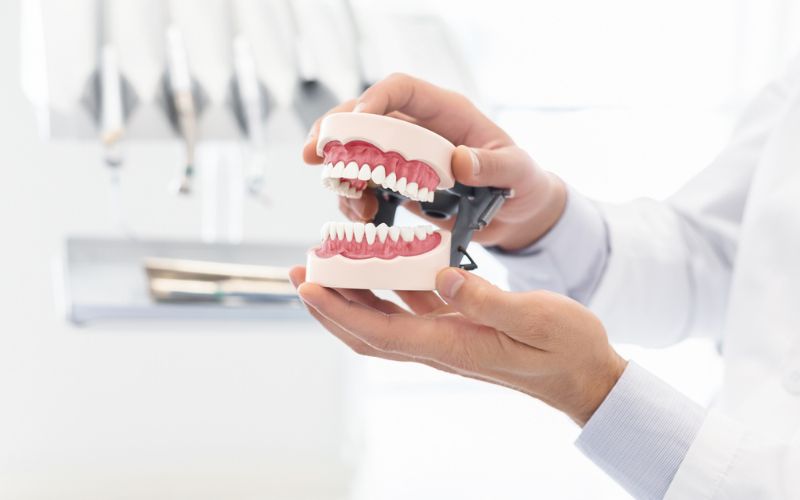
A dental model can help explain how different treatment options may affect the teeth and bite before any decision is made.
Cosmetic Dentistry Should Still Be Dentistry
Social media can make cosmetic dental treatment appear almost like choosing a hairstyle.
Teeth are different.
They are biological structures surrounded by gums and bone, and they have to function every day when we speak, chew and bite.
Restorations also experience those forces.
Bonding can wear.
Veneers and crowns can chip or eventually need replacement.
Teeth can move.
Gums can change.
Oral health can change.
That does not mean cosmetic treatment should be avoided. It means it should be planned with long term dental health as well as appearance in mind.
At Dr Raymond Platon & Associates, that is an important part of the conversation we have with patients considering cosmetic treatment.
Choosing a Cosmetic Dentist in Wetherill Park
Choosing a cosmetic dentist in Wetherill Park should involve more than comparing individual treatments or prices.
If you are comparing cosmetic dental treatment, do not be afraid to ask questions.
In fact, questions are useful.
You may want to ask:
- Why are you recommending this option?
- Are there more conservative alternatives?
- Does any natural tooth structure need to be altered?
- What are the risks?
- What maintenance may be required?
- How long might the treatment or restoration reasonably last?
- Could orthodontics be an alternative?
- What happens if I choose to do nothing?
- Are there other ways of addressing the same concern?
You should understand enough about the proposed treatment to make your own informed decision.
Patients can also check a practitioner’s current registration through the AHPRA Register of Practitioners. AHPRA’s public register is used to check the registration status and registration details of Australian health practitioners.
The Dental Board of Australia also publishes professional codes, policies and guidelines applying to registered dental practitioners, including professional conduct and scope of practice guidance.
Cosmetic Dentistry in Wetherill Park and Western Sydney
Dr Raymond Platon & Associates is located at 70 Lily Street, Wetherill Park NSW 2164.
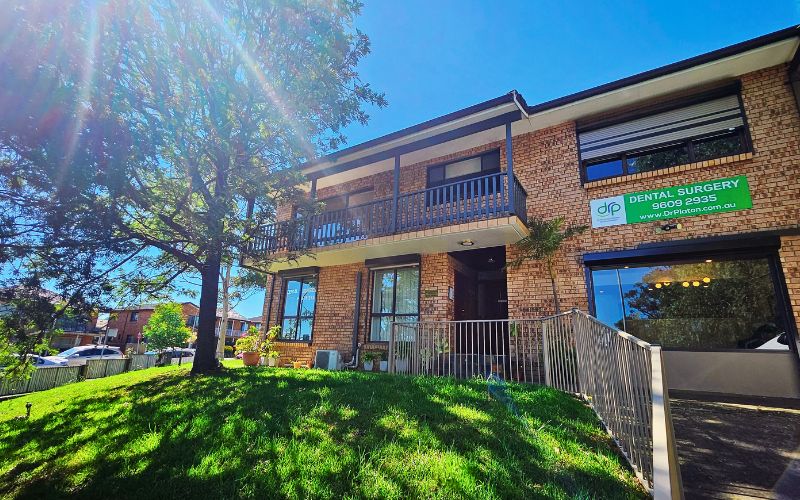
Dr Raymond Platon & Associates at 70 Lily Street, Wetherill Park NSW.
The practice provides general, preventive, restorative, cosmetic, orthodontic, periodontal and emergency dental care, and has provided dental care in Wetherill Park for more than 30 years. Dr Raymond Platon has led the practice since 2002.
We see patients from Wetherill Park and surrounding Western Sydney communities including Bossley Park, Prairiewood, Fairfield West, Greenfield Park, St Johns Park and Wakeley.
That local experience also means we see a wide range of reasons for cosmetic consultations.
Some people want a very small change.
Some have older dental work they would like assessed.
Others are beginning to explore treatment and are not yet sure whether whitening, bonding, veneers, crowns or orthodontics is the most appropriate direction.
You do not have to decide that before your appointment.
Thinking About Cosmetic Dental Treatment in Wetherill Park?
If there is something about your teeth or smile that you would like to discuss, the first step is an individual assessment.
For some patients, a relatively conservative option may be enough. For others, treatment may involve restorative dentistry, orthodontics, veneers or a combination of approaches.
The important thing is to understand which options may be appropriate for your teeth, oral health and priorities.
If you are considering treatment with a cosmetic dentist in Wetherill Park, an individual consultation can help you understand the options that may be appropriate for you.
To arrange a cosmetic dental consultation with Dr Raymond Platon & Associates in Wetherill Park, call us on (02) 9609 2935 or visit us at 70 Lily St, Wetherill Park NSW 2164.
You can also get directions on Google Maps or book an appointment online.
A clinical examination is required before individual treatment recommendations can be made.
Frequently Asked Questions About Cosmetic Dentistry in Wetherill Park
What does a cosmetic dentist in Wetherill Park do?
A cosmetic dentist assesses concerns involving the colour, shape, position, spacing or appearance of the teeth while also considering oral health and function. Depending on the individual patient, options may include whitening, composite bonding, veneers, crowns or orthodontic treatment. An examination is required before determining which treatment, if any, is appropriate.
Do I need veneers to improve my smile?
Not necessarily. Veneers are one possible cosmetic treatment, but they are not appropriate for every concern or every patient. Depending on what you would like to change, alternatives may include whitening, bonding, orthodontic treatment or sometimes no treatment. Suitability can only be determined after a dental assessment.
Can cosmetic dentistry look natural?
Cosmetic dental treatment can be planned with a natural appearance in mind, but individual outcomes vary. Tooth colour, shape, position, gum levels, facial features, existing dental work and the type of treatment can all influence the result. No particular cosmetic result can be guaranteed.
What is the most conservative cosmetic dental treatment?
There is no single answer because it depends on the concern. For someone primarily concerned about tooth colour, whitening may be worth considering. A small chip may sometimes be managed with bonding. Where tooth position is the main concern, orthodontic treatment may be relevant. The most conservative appropriate option can only be identified after assessment.
How do I know which cosmetic treatment is right for me?
Start with a dental examination and explain what you would like to change. Your dentist can assess your teeth, gums and bite and then discuss reasonable options, including their risks, limitations, alternatives and maintenance requirements. The appropriate choice differs between patients.
Important Information About Cosmetic Dental Treatment
The information in this article is general educational information only. It does not constitute personalised dental advice, diagnosis or a recommendation to undergo a particular cosmetic or restorative dental treatment.
Cosmetic and restorative dental treatments are not suitable for every patient, and outcomes vary between individuals.
Before treatment is recommended, an appropriately registered dental practitioner must assess relevant factors that may include the patient’s oral health, teeth, gums, bite, existing restorations, tooth structure, dental and medical history, treatment goals and individual clinical circumstances.
All dental treatments involve potential risks, limitations and possible complications.
Depending on the treatment and individual patient, these may include temporary or persistent tooth sensitivity, discomfort, gum irritation, changes to the bite, wear, staining, chipping or fracture of restorations, colour differences between natural teeth and restorations, the need for maintenance, repair or replacement, and the possibility that further dental treatment may be required.
Treatments involving dental veneers, crowns and some other restorations may require alteration of natural tooth structure. Depending on the treatment performed, these changes may not be reversible.
Dental restorations should not be assumed to last for life. Their longevity varies according to factors including oral health, bite forces, grinding or clenching, diet, oral hygiene, trauma, material selection and individual biological factors.
Professional teeth whitening does not produce the same result for every patient. Some types of discolouration may respond less predictably, and existing dental restorations such as fillings, crowns and veneers do not whiten in the same way as natural teeth.
Orthodontic treatment also involves individual risks, limitations and treatment timeframes. Suitability depends on clinical assessment and individual circumstances.
No specific aesthetic result can be guaranteed.
Photographs, digital simulations, examples of previous treatment or descriptions of possible outcomes cannot guarantee that another patient will experience the same result.
Patients considering elective cosmetic dental treatment should have an opportunity to discuss the expected benefits, material risks, alternatives, likely maintenance requirements and costs of the proposed treatment with their treating practitioner before deciding whether to proceed.
Patients may also seek a second opinion from another appropriately registered dental practitioner if they wish.
Registered Dental Practitioners at Dr Raymond Platon & Associates
The dental team at Dr Raymond Platon & Associates includes the following registered practitioners:
Dr Raymond Platon
Dentist
AHPRA Registration: DEN0001321891
Dr Ninos Chamo
Dentist
AHPRA Registration: DEN0002607262
Dr Loreen Akram
Dentist
AHPRA Registration: DEN0001155597
Caroline Nguyen
Oral Health Therapist
AHPRA Registration: DEN0001948671
The practitioner involved in an individual patient’s care depends on the nature of the appointment, the treatment being considered, practitioner scope of practice and the patient’s individual clinical requirements.
Current registration details can be checked through the AHPRA Register of Practitioners.
About the Author
Dr Raymond Platon is the Principal Dentist at Dr Raymond Platon & Associates in Wetherill Park, NSW.
Dr Raymond Platon has led the practice since 2002, continuing a history of dental care in Wetherill Park spanning more than 30 years. The clinic provides general, preventive, restorative, cosmetic, orthodontic, periodontal and emergency dental care to adults and families from Wetherill Park and surrounding Western Sydney communities.
This article has been prepared as general patient education. Treatment suitability, risks, alternatives and expected outcomes must be discussed according to each patient’s individual clinical circumstances.
Dr Raymond Platon
Dentist
AHPRA Registration: DEN0001321891
Published: 25 August 2026
Updated: 25 August 2026