
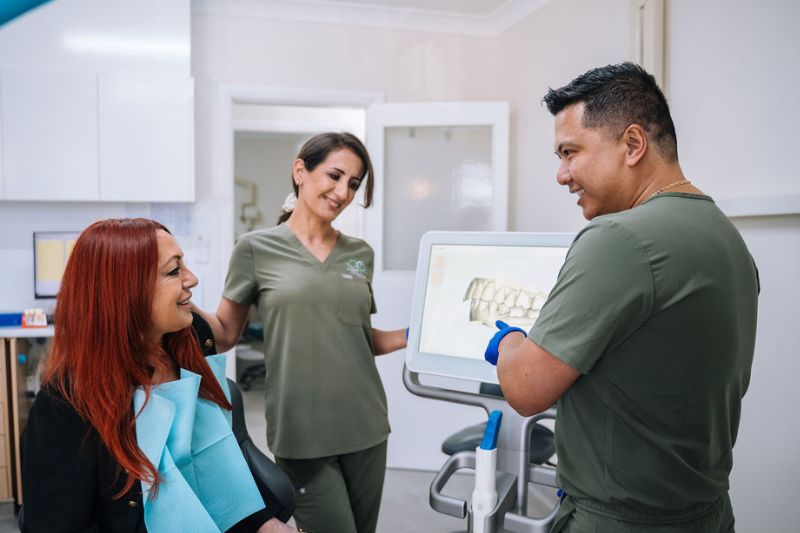
Professional teeth whitening in Wetherill Park can help brighten many smiles, but the final result varies from person to person. Factors such as the type of tooth staining, enamel condition, previous dental restorations and overall oral health all influence how well whitening works. This article explains why some patients achieve greater whitening than others, what affects treatment outcomes, when whitening may not be the most suitable option and how to maintain a brighter smile for longer. Professional teeth whitening is a popular cosmetic dental treatment for improving the appearance of stained or discoloured teeth. For patients considering professional teeth whitening in Wetherill Park, understanding why whitening results vary can help you make informed decisions while supporting realistic expectations and long term oral health.
A brighter smile can improve confidence, but many people are surprised to discover that professional teeth whitening does not produce exactly the same result for every patient. While some people notice a dramatic improvement, others experience a more subtle change even when the treatment is carried out correctly.
If you are considering professional teeth whitening, understanding what influences the final result is just as important as choosing the treatment itself. The healthiest and most natural outcomes come from selecting the right treatment for the right patient rather than expecting every smile to respond in the same way.
At Dr Raymond Platon & Associates, we regularly help patients from Wetherill Park, Bossley Park and Prairiewood understand why teeth become discoloured, what whitening can realistically achieve and when another cosmetic treatment may be more appropriate. Our approach focuses on preserving healthy tooth structure while helping patients make informed decisions about their smile.
If your teeth have become darker over time, you may also find our article on Why Are My Teeth Yellow in Wetherill Park? Causes and How to Fix It Safely helpful, as it explains the common causes of tooth discolouration before discussing treatment options.
Thinking About Professional Teeth Whitening in Wetherill Park?
If you’re considering professional teeth whitening in Wetherill Park, our team can assess your oral health, explain what whitening can realistically achieve and recommend whether it is the most suitable treatment for your smile. You can contact our team to arrange a consultation, learn more about professional teeth whitening or explore our teeth whitening costs in Wetherill Park.
What determines how well teeth whitening works?
Professional whitening does not simply paint teeth white.
Instead, whitening gels release active oxygen molecules that penetrate the tooth and break down stain pigments. The amount of colour improvement depends on several biological and lifestyle factors that differ from one person to another.
Dentists often recommend identifying why teeth have become darker before deciding whether whitening is likely to achieve the desired result.
A healthy smile usually responds more predictably when the teeth and gums are free from untreated dental problems. For this reason, many patients benefit from a dental examination and a professional dental cleaning before cosmetic whitening is considered.
What types of stains respond best to whitening?
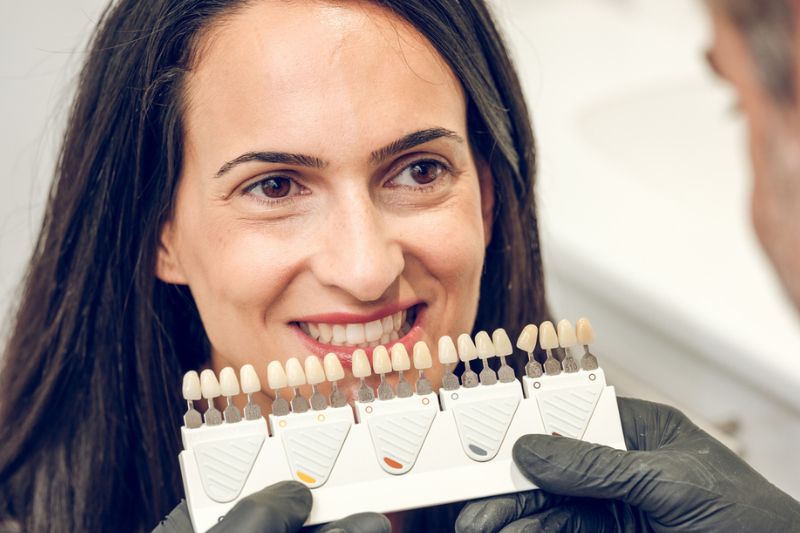
A tooth shade assessment helps determine whether professional teeth whitening is likely to be effective and supports realistic treatment expectations.
Not all stains develop in the same way.
Understanding the difference between surface stains and internal tooth discolouration helps explain why whitening may produce different results for different people.
Surface stains (Extrinsic stains)
Surface stains affect the outer enamel layer.
They commonly develop from:
- Coffee
- Tea
- Red wine
- Smoking or vaping
- Dark coloured foods
- Plaque accumulation
In many cases, these stains respond very well to professional whitening because the whitening gel can effectively break down the pigments attached to the enamel surface.
Maintaining good oral hygiene and attending regular preventive dental care appointments can also help keep teeth brighter for longer after treatment.
Internal stains (Intrinsic stains)
Internal stains develop within the tooth itself rather than on the outer surface.
These changes may occur because of:
- Natural ageing
- Previous trauma to a tooth
- Certain medications taken while teeth were developing
- Developmental enamel or dentine conditions
- A tooth that has previously required root canal treatment
Intrinsic staining can often be improved, but the colour change is generally less predictable than for surface stains.
This is one reason why every whitening consultation begins with a thorough assessment rather than assuming the same treatment will suit everyone.
Why do teeth naturally become darker with age?
Many people believe darker teeth automatically mean poor brushing habits.
In reality, age is one of the most common reasons healthy teeth gradually lose their brightness.
Over time, enamel naturally becomes thinner through everyday use. As this happens, more of the underlying dentine becomes visible. Dentine has a naturally warmer and more yellow appearance than enamel, making teeth appear darker even when they are healthy and well cared for.
Professional whitening can often improve this colour. However, dentists usually aim to achieve a brighter smile that still looks natural and complements your facial appearance rather than creating an unnaturally white result.
For some patients, whitening alone provides an excellent outcome. For others, treatments such as composite bonding or porcelain veneers may be discussed if whitening is unlikely to achieve their aesthetic goals.
Can fillings, crowns and veneers be whitened?
This is one of the most common questions we hear during cosmetic consultations.
The simple answer is no.
Professional whitening changes the colour of natural tooth structure only. It does not change the shade of:
- White fillings
- Dental crowns
- Dental bridges
- Porcelain veneers
- Composite veneers
- Bonding materials
If these restorations were matched to your natural teeth many years ago, whitening the surrounding teeth may make the restorations appear darker by comparison.
This is why treatment planning is so important. Patients considering several cosmetic improvements often achieve the most balanced and natural looking results when whitening is completed before new restorations are made.
A personalised consultation allows your dentist to determine whether whitening alone is appropriate or whether a combination of treatments through our Cosmetic Dentistry services would provide a more predictable long term outcome.
Why is professional teeth whitening different from shop bought products?
Many whitening toothpastes, strips and over the counter kits promise fast results. While some products may remove minor surface stains, they generally contain lower strength whitening ingredients than professionally supervised treatments and are not suitable for every type of discolouration.
Professional whitening begins with an assessment of your oral health rather than simply applying whitening gel. Your dentist checks for tooth decay, leaking fillings, worn enamel, gum disease and other conditions that may affect the safety or effectiveness of treatment.
In many cases, preparing the teeth first leads to a healthier and more predictable outcome. This may include a professional dental cleaning, treating sensitive teeth or addressing existing dental problems before whitening begins.
Another advantage of professional whitening is that treatment can be tailored to the individual. The concentration of the whitening gel, the application method and the treatment duration can all be adjusted according to your clinical needs and treatment goals.
Rather than aiming for the brightest possible shade, dentists usually focus on achieving a result that looks healthy, natural and appropriate for your facial features.
Can everyone have teeth whitening in Wetherill Park?
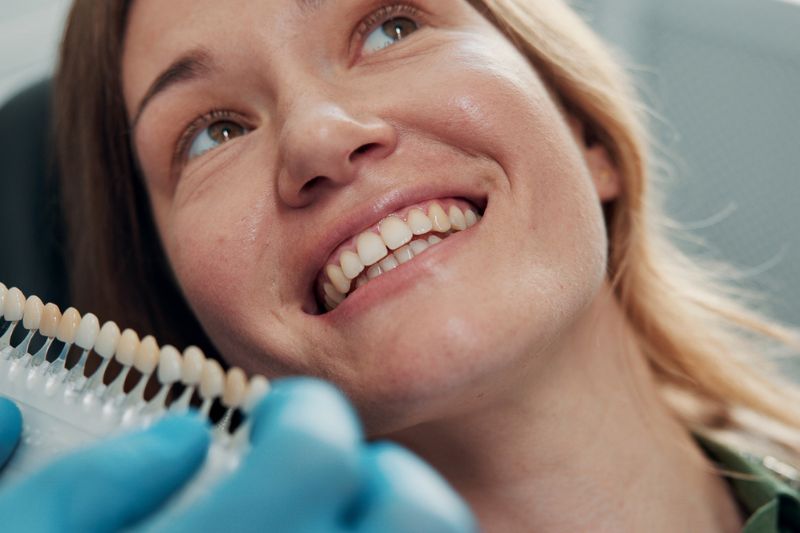
Some types of tooth discolouration respond better to cosmetic treatments such as porcelain veneers than professional teeth whitening. A personalised consultation helps determine the most suitable option.
Not always.
Although teeth whitening is a safe and well established cosmetic procedure for many adults, it is not suitable for everyone.
Dentists often recommend postponing whitening if a patient has:
- Untreated tooth decay
- Active gum disease
- Significant tooth sensitivity
- Cracked or fractured teeth
- Defective fillings
- Poor oral hygiene
Treating these conditions first helps improve comfort while reducing the risk of complications during whitening.
Pregnancy and breastfeeding may also influence whether whitening is recommended. Your dentist will discuss the most appropriate timing based on your individual circumstances.
A personalised assessment ensures that whitening is performed safely and that any underlying dental concerns are identified before cosmetic treatment begins.
Patients visiting our Wetherill Park practice from Bossley Park, Prairiewood, Fairfield West and Wakeley often ask whether professional teeth whitening is suitable for their smile. An individual assessment allows us to identify the cause of tooth discolouration, discuss realistic expectations and recommend the most appropriate treatment for each patient.
Does professional teeth whitening make teeth sensitive?
Some patients experience temporary tooth sensitivity during or shortly after professional teeth whitening, while others notice little or no sensitivity at all.
Sensitivity usually occurs because the whitening gel temporarily passes through the enamel and stimulates the nerve inside the tooth. It is generally mild, short lived and improves within a few days after treatment.
Several factors can influence the likelihood of sensitivity, including:
- Naturally sensitive teeth
- Worn or thin enamel
- Gum recession exposing the tooth roots
- Existing tooth cracks
- Higher strength whitening treatments
Before recommending whitening, your dentist will assess your oral health to identify any factors that may increase sensitivity. Treating problems such as tooth decay, leaking fillings or gum disease beforehand can help improve comfort and support a safer treatment outcome.
If sensitivity occurs, your dentist may recommend modifying the treatment plan, adjusting the whitening schedule or using products designed to help reduce sensitivity. For most suitable patients, professional whitening remains a safe and well tolerated treatment when carried out following an individual clinical assessment.
Why do some teeth become stained again after whitening?
Professional whitening can produce long lasting improvements, but it does not permanently prevent new staining.
Everyday habits continue to influence tooth colour after treatment.
Common causes of new staining include:
- Coffee
- Tea
- Red wine
- Smoking or vaping
- Coloured soft drinks
- Poor plaque control
Most people notice that maintaining good oral hygiene, attending regular dental examinations and having routine professional cleans help preserve their whitening results for longer.
For patients who enjoy coffee or tea every day, using a straw where appropriate, rinsing with water afterwards and avoiding prolonged exposure to staining beverages may also help reduce future discolouration.
Our Preventive Dentistry services are designed to help patients maintain healthy teeth while supporting the longevity of cosmetic treatments.
What if professional teeth whitening isn’t the best option?
One of the most important parts of cosmetic dentistry is understanding when a different treatment may provide a better outcome.
If teeth are heavily worn, chipped, uneven, internally discoloured or affected by large restorations, whitening alone may not achieve the appearance you are hoping for.
In these situations, your dentist may discuss alternatives such as:
- Composite Bonding
- Porcelain Veneers
- Dental Crowns
- A personalised treatment plan through our Cosmetic Dentistry services
These treatments are not intended to replace whitening. Instead, they may be more appropriate when the underlying issue involves tooth shape, existing restorations or structural damage rather than colour alone.
Natural looking cosmetic dentistry focuses on improving harmony rather than creating an artificial appearance. The most successful results are usually those that complement a patient’s facial features while preserving as much healthy tooth structure as possible.
How can you keep your teeth whiter for longer?
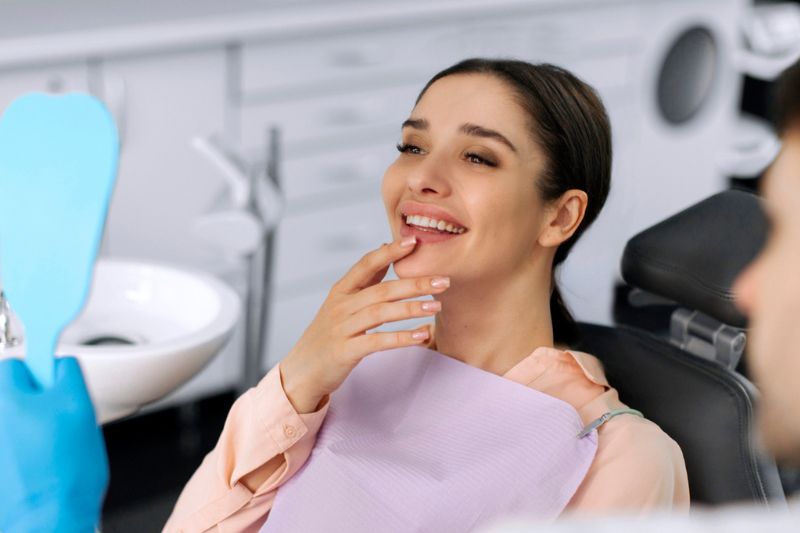
Maintaining good oral hygiene, regular dental check-ups and professional advice can help keep your smile brighter for longer after professional teeth whitening.
Maintaining whitening results requires ongoing care rather than a single treatment.
Dentists often recommend:
- Brushing twice daily with fluoride toothpaste
- Cleaning between the teeth every day
- Reducing smoking or vaping where possible
- Limiting frequent exposure to staining foods and drinks
- Attending regular professional cleans and dental examinations
- Following your dentist’s advice regarding whitening top ups if appropriate
Looking after your teeth benefits more than appearance alone.
Healthy enamel, healthy gums and good oral hygiene all contribute to a brighter smile that is easier to maintain over the long term.
If you notice persistent staining, increased sensitivity or changes in tooth colour, it is always best to arrange a consultation rather than attempting repeated whitening without professional advice.
Why realistic expectations matter
One of the biggest reasons patients are happy with professional whitening is that they understand what the treatment can and cannot achieve before it begins.
Professional whitening is designed to improve the colour of natural teeth.
It cannot change every smile into the same bright white shade, nor can it alter the colour of crowns, veneers, fillings or other restorations.
At Dr Raymond Platon & Associates, we believe honest communication is an essential part of good dentistry. Every smile is different, and every treatment recommendation should reflect the patient’s individual goals, oral health and long term wellbeing.
Our priority is never to create the whitest smile possible. It is to help each patient achieve the healthiest, most natural looking result that suits them.
Whether whitening is the most appropriate option or another cosmetic treatment is likely to provide a better outcome, a personalised assessment allows treatment decisions to be based on clinical findings rather than assumptions.
Frequently Asked Questions
Does professional teeth whitening work on yellow teeth?
In many cases, yes. Teeth that have become yellow due to ageing, food, drinks or smoking often respond well to professional whitening. The amount of improvement varies depending on the cause of the discolouration, the condition of the enamel and individual tooth characteristics.
How long do professional teeth whitening results last?
Results vary between patients. Many people enjoy a brighter smile for several months or longer, particularly when they maintain good oral hygiene, attend regular dental examinations and reduce exposure to staining foods, drinks and smoking.
Can crowns, veneers or fillings be whitened?
No. Professional whitening changes the colour of natural tooth structure only. Existing dental crowns, veneers, bridges and tooth coloured fillings do not change colour during whitening treatment. Your dentist will discuss this during your consultation if cosmetic restorations are already present.
Is professional teeth whitening safe?
When carried out following an individual clinical assessment by a registered dental practitioner or appropriately qualified oral health practitioner, professional whitening is considered a safe and well established cosmetic treatment for suitable patients. A consultation helps determine whether whitening is appropriate for your oral health and treatment goals.
What if whitening is not the best option for me?
If whitening is unlikely to achieve the result you are hoping for, your dentist may discuss other treatments such as Composite Bonding, Porcelain Veneers or other Cosmetic Dentistry options. Every recommendation is based on preserving healthy tooth structure while achieving the most natural result possible.
Conclusion
Professional teeth whitening can significantly improve the appearance of many smiles, but no two patients respond exactly the same way.
The final result depends on several factors, including the cause of the staining, the condition of your teeth, your oral health and whether you have existing restorations such as crowns or veneers.
The most successful cosmetic treatment begins with understanding your individual needs rather than applying the same approach to every patient. A personalised assessment allows realistic expectations to be discussed while ensuring treatment supports both aesthetics and long term oral health.
Whether whitening is the most appropriate option or another cosmetic treatment is likely to provide a better outcome, the goal is always the same: helping you achieve a healthy, natural looking smile you can feel confident about. If you are considering professional teeth whitening in Wetherill Park, a personalised consultation can help determine the most suitable treatment for your individual needs.
Related Articles
If you would like to learn more about improving your smile and maintaining good oral health, you may also find these articles helpful:
- Why Are My Teeth Yellow in Wetherill Park? (explains the common causes of tooth discolouration before considering whitening)
- How to Know If Cosmetic Dentistry Will Look Natural in Wetherill Park (helps you understand how dentists plan natural-looking cosmetic results and set realistic expectations)
- Can a Damaged Dental Crown Be Repaired or Does It Need Replacing? (explains why crowns do not respond to whitening and when replacement may be considered)
Every consultation at Dr Raymond Platon & Associates begins with a personalised assessment of your oral health, existing dental restorations and treatment goals. This allows us to determine whether professional teeth whitening is appropriate for your smile and discuss realistic treatment outcomes before any cosmetic treatment is recommended.
Book a Teeth Whitening Consultation in Wetherill Park
If you’re thinking about professional teeth whitening, we’re here to help you understand your options and recommend the treatment that best suits your smile.
Our team will assess your oral health, explain what whitening can realistically achieve and answer any questions you may have before treatment begins.
📞 Call Dr Raymond Platon & Associates today on (02) 9609 2935
or
📍 Get directions to Dr Raymond Platon & Associates in Wetherill Park
Whether you are considering professional teeth whitening or would like advice about Cosmetic Dentistry, our team is happy to assess your smile and discuss the treatment options most appropriate for your individual needs.
Important Information About Professional Teeth Whitening
All treatments at Dr Raymond Platon & Associates are based on an individual clinical assessment and each patient’s oral health needs.
Professional teeth whitening and cosmetic dental treatments are not suitable for every patient. Outcomes vary depending on factors including:
- Overall oral health
- The cause and severity of tooth discolouration
- Enamel thickness and condition
- Existing crowns, veneers, fillings or other restorations
- Lifestyle habits such as smoking and dietary staining
- Individual response to whitening treatment
Before treatment begins, your dentist will discuss the expected benefits, possible risks, suitable alternatives and realistic outcomes so you can make an informed decision.
Professional whitening does not change the colour of crowns, veneers, white fillings, bridges or other existing dental restorations.
The information provided in this article is general in nature and does not replace personalised dental advice. A consultation is required to determine the most appropriate treatment options for your individual circumstances.
Patients are encouraged to ask questions, discuss their expectations openly and seek a second opinion from another appropriately qualified health practitioner before proceeding with cosmetic dental treatment if they wish.
Dental Professionals Providing Teeth Whitening
Professional teeth whitening at Dr Raymond Platon & Associates may be provided by the following registered practitioners, depending on your individual treatment needs.
Dr Raymond Platon
Dental Practitioner – General Registration
AHPRA Registration: DEN0001321891
Dr Loreen Akram
Dental Practitioner – General Registration
AHPRA Registration: DEN0001155597
Dr Ninos Chamo
Dental Practitioner – General Registration
AHPRA Registration: DEN0002607262
Caroline Nguyen
Oral Health Therapist – Registered Practitioner
AHPRA Registration: DEN0001948671
About the Author
Dr Raymond Platon & Associates continues a proud legacy of over 30 years of dental care in Wetherill Park. Dr Raymond Platon took over the practice in 2002 and has since built a trusted reputation for patient focused, high quality dentistry. Our dentists regularly provide preventive, restorative and cosmetic dental care for patients throughout Wetherill Park and surrounding suburbs, with treatment recommendations tailored to each patient’s individual oral health needs. All information on this page is reviewed regularly to ensure accuracy and compliance with current dental guidelines. Suitability, risks, recovery needs and alternatives will always be discussed with your dentist. Outcomes vary for each patient.
Published on: 28 July 2026
Updated on: 28 July 2026