

If you are considering braces, one of your first questions may be: how long do braces take?
For many patients, braces treatment takes around 12 to 24 months, although treatment can be shorter or longer depending on the position of the teeth, the bite, the complexity of the movements required and how the teeth respond to treatment. The Australian Government’s Healthdirect guidance on dental braces and retainers explains that orthodontic treatment time varies according to the individual case.
There is therefore no single braces treatment time that applies to everyone. Someone with relatively minor alignment concerns may have a very different treatment plan from someone who requires significant crowding or bite correction.
At Dr Raymond Platon & Associates, orthodontic treatment in Wetherill Park is planned individually after assessing your teeth, bite and oral health. This allows us to discuss a realistic estimated timeframe based on your needs rather than simply giving every patient the same average.
Considering braces? Book a free orthodontic consultation in Wetherill Park. Call (02) 9609 2935 to discuss your orthodontic options. Terms and conditions apply.
How Long Do Braces Take on Average?
A useful general estimate is that braces may be worn for approximately 12 to 24 months, but this is only a guide.
Healthdirect Australia advises that braces may be worn for 12 to 24 months, followed by retention, while its broader orthodontic guidance notes that treatment can take around 1 to 3 years.
Treatment time depends primarily on what needs to be corrected and how much tooth movement is required.
For example, relatively straightforward alignment may take less time than treatment involving significant crowding, spacing or correction of the relationship between the upper and lower teeth.
This explains why two patients who have their braces fitted at approximately the same time may finish treatment months apart.
The aim is not simply to make the front teeth look straight as quickly as possible. Orthodontic treatment involves gradually moving teeth into planned positions while also considering the bite and overall dental relationship.
If you would like to understand the different treatment options available, our guide to orthodontic treatment in Wetherill Park explains braces, clear aligners and the orthodontic treatment process.
What Determines How Long You Need Braces?
Several factors influence how long braces take to straighten teeth.
The Starting Position of Your Teeth
The amount of movement required is one of the most important factors.
A patient with relatively minor spacing or alignment concerns may require fewer or less complex movements than someone with significant crowding, rotations or teeth that are substantially out of position.
However, what you can see when you smile is only part of the assessment.
Your bite also matters.
Your Bite
Braces are not used only to make teeth look straighter.
Depending on the diagnosis, orthodontic treatment may also involve improving the relationship between the upper and lower teeth.
This can include problems such as:
- overbite
- underbite
- crossbite
- open bite
- crowding
- spacing
- other alignment discrepancies
When bite correction is required as well as straightening, additional stages of tooth movement may be necessary.
Healthdirect notes that braces may be recommended to correct the bite as well as straighten teeth.
How Much Tooth Movement Is Required
Not every tooth needs to move the same distance or in the same direction.
One tooth may need relatively simple alignment, while another may need to rotate or move in coordination with surrounding teeth.
This is why treatment time is based on the overall orthodontic diagnosis and treatment plan, rather than the appearance of one crooked tooth.
Your Individual Response to Treatment
Teeth move through a biological process involving the tissues and bone surrounding them.
The response to orthodontic forces can vary between individuals. As a result, even patients with apparently similar starting conditions may not progress at exactly the same rate.
Regular orthodontic reviews allow progress to be assessed and the treatment plan to be adjusted where appropriate.
How Long Do Braces Take to Start Working?
This is slightly different from asking how long the entire treatment takes.
You may notice changes in your teeth well before your braces treatment is complete.
The front teeth, for example, may begin to look straighter while considerable treatment is still required elsewhere.
Your braces may still be working on:
- rotations
- spaces between teeth
- less visible tooth positions
- upper and lower tooth relationships
- bite correction
- final alignment and finishing
Therefore, seeing straighter teeth does not mean your braces are ready to come off.
This distinction is important because orthodontic treatment is not judged only by what is visible when you smile. Your treating practitioner also needs to assess how treatment is progressing according to the planned tooth movements and bite.
Do Braces Take Longer for Adults?
Adults can have orthodontic treatment, but age alone does not determine how long braces will take.
Treatment planning for an adult may involve different considerations from treatment during childhood or adolescence.
For example, an adult may already have fillings, crowns, missing teeth or previous dental treatment that needs to be considered. The health of the teeth, gums and supporting tissues is also important before and during orthodontic treatment.
Healthdirect notes that orthodontic treatment can be used in adults as well as younger patients, while suitability depends on the individual dental situation.
Some adult cases may be relatively straightforward, while others may involve more complex dental or bite considerations.
Therefore, rather than assuming adult braces automatically take longer, the more useful question is:
How much tooth and bite correction is required in this particular case?
That can only be estimated properly after an orthodontic assessment.
Can Anything Make Braces Treatment Take Longer?
Yes. The original treatment estimate assumes that treatment progresses reasonably according to plan.
Several factors can interfere with that timeline.
Missing Orthodontic Appointments
Braces need to be reviewed regularly so progress can be monitored and appropriate adjustments can be made.
Healthdirect states that patients with braces generally need regular adjustment appointments, commonly around every 6 to 8 weeks.
Repeatedly missing or significantly delaying appointments can therefore interfere with the planned treatment schedule.
Broken Brackets or Damaged Wires
Brackets, wires and other orthodontic components work together to apply controlled forces to the teeth.
If a bracket becomes detached or another part of the appliance is damaged, treatment may not progress exactly as intended until the problem is assessed.
If something breaks, contact your dental provider rather than waiting several weeks for your next routine appointment.
Not Following Instructions
Some treatment plans require additional components such as orthodontic elastics.
If you have been instructed to wear elastics or follow another specific part of your treatment plan, consistency can be important.
Not following these instructions may affect treatment progress.
Oral Health Problems During Braces
Keeping the teeth and gums healthy is particularly important during orthodontic treatment.
Brackets and wires create additional areas where plaque and food debris can collect. Poor oral hygiene during braces can contribute to problems such as tooth decay, discolouration or gum inflammation. Healthdirect similarly identifies dental hygiene as an important consideration during braces treatment.
Good brushing, interdental cleaning and regular dental care therefore remain important throughout treatment.
How Often Are Braces Adjusted?
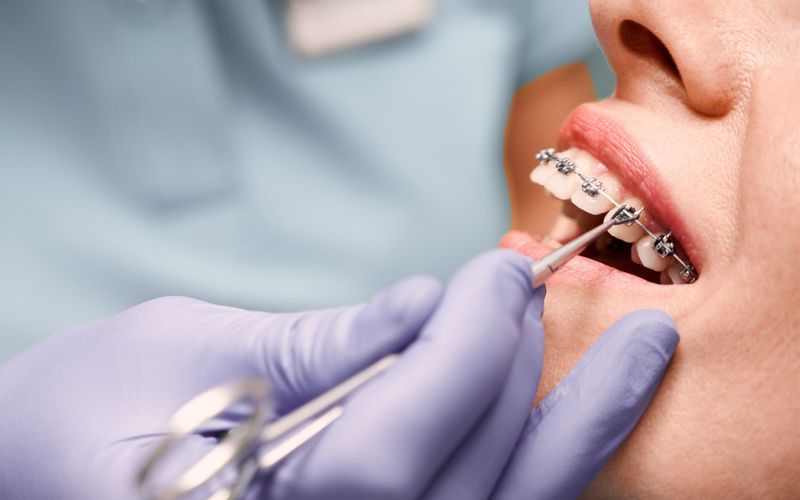
Regular orthodontic reviews allow braces and treatment progress to be assessed and adjusted when required.
Patients commonly need to return regularly during treatment so their braces can be reviewed and adjusted.
The actual length of an appointment varies according to the stage of treatment and what needs to be done.
During a review, the dental team may assess tooth movement, check the appliance and make adjustments according to the treatment plan.
Some visits may be relatively straightforward, while others may require more detailed changes.
The most important point is to follow the review schedule recommended for your individual treatment.
Can Braces Work Faster?
It is understandable to want braces removed as quickly as possible, particularly when you have an important event approaching.
However, faster treatment is not automatically better treatment.
Orthodontics involves controlled biological tooth movement. The objective is therefore to progress appropriately according to the individual treatment plan rather than trying to rush tooth movement.
Patients can help keep treatment as close as possible to its planned timeline by:
- attending scheduled appointments
- following instructions about elastics or other appliances
- avoiding unnecessary damage to brackets and wires
- maintaining good oral hygiene
- contacting the practice when an orthodontic appliance breaks
If you have a particular date or important event in mind, mention this during your consultation. Your treating practitioner can discuss what may realistically be achievable, although an exact braces removal date cannot always be guaranteed.
What Happens During Braces Treatment?
Understanding the stages of treatment can make the overall timeline easier to understand.
1. Orthodontic Assessment
The first stage is an assessment of your teeth, bite and oral health.
Diagnostic records such as photographs, scans or X-rays may be recommended where clinically appropriate.
This information helps determine what needs to move and whether orthodontic treatment is suitable.
2. Treatment Planning
A personalised treatment plan can then be developed.
This is where the expected tooth movements, treatment approach and estimated treatment timeframe can be discussed.
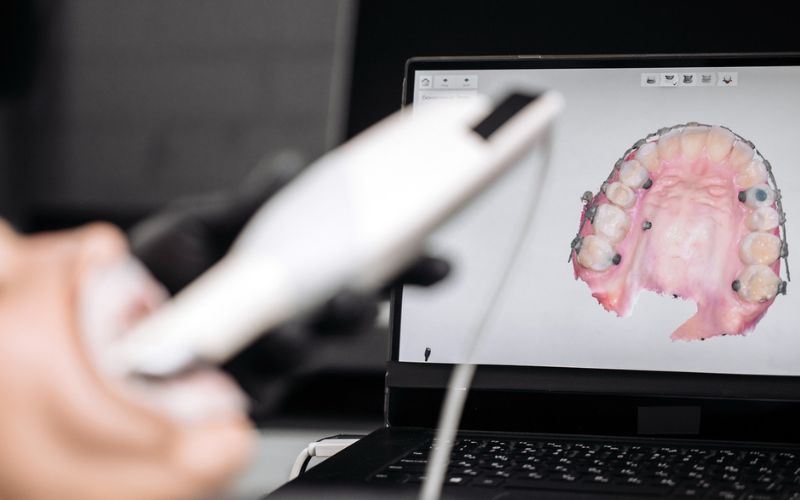
Digital dental scans can form part of orthodontic assessment and treatment planning where clinically appropriate.
Depending on your individual needs, different orthodontic approaches may be considered. You can learn more about our braces in Wetherill Park, or explore Invisalign in Wetherill Park for information about clear aligner treatment for suitable patients. The most appropriate option depends on your teeth, bite, treatment goals and clinical assessment.
3. Braces Are Fitted
Brackets and wires are placed to begin guiding the teeth according to the treatment plan.
Healthdirect explains that braces use brackets and connecting wires to apply pressure that gradually moves teeth into position.
The early stages often produce noticeable alignment changes, but treatment does not necessarily finish when the teeth first start looking straight.
4. Regular Adjustments and Progress Reviews
Progress is monitored throughout treatment.
Different stages may focus on different movements, which is another reason the appearance of the front teeth alone cannot determine when braces should be removed.
5. Finishing
Towards the end of treatment, smaller adjustments may be required to refine tooth positions and the bite.
This stage can sometimes feel slower because the most obvious visual changes may already have happened.
However, these finishing movements may still be an important part of completing the planned treatment.
6. Braces Removal and Retention
Once the planned treatment objectives have been reached, the braces can be removed.
But orthodontic care does not simply end when the brackets come off.
Retention comes next.
What Happens After Your Braces Come Off?
After braces are removed, retainers help maintain the new position of the teeth.
This matters because teeth can move after orthodontic treatment.
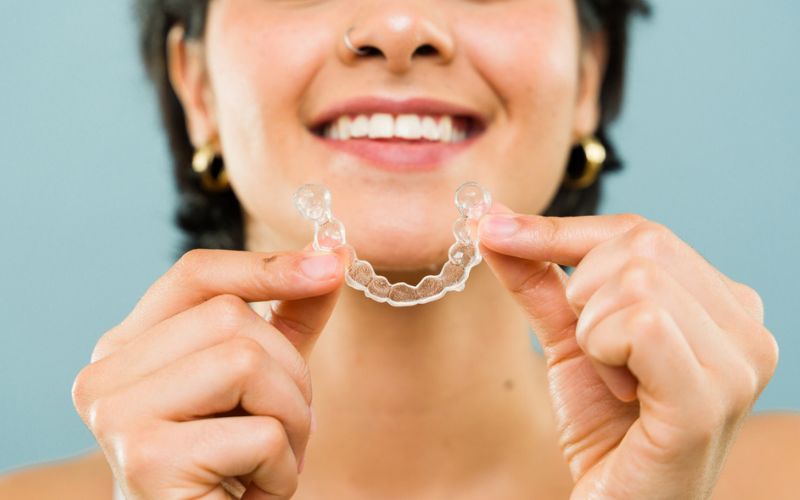
Retainers help maintain tooth positions after braces and are an important part of orthodontic care.
Healthdirect explains that retainers are used to help keep teeth in position after braces and notes that teeth can move again if retainers are not worn as advised.
Depending on your individual situation, a fixed or removable retainer may be recommended.
You can read more about retainers after orthodontic treatment in Wetherill Park and how they help maintain tooth alignment.
We have also explained the biology and long-term retention issue in our recent article, Why Do Teeth Move After Braces, Even Years Later? That article is a useful next read for anyone approaching the end of orthodontic treatment.
How Long Do Braces Take? The Key Points
For a quick summary:
Braces commonly take around 12 to 24 months, but the total treatment time varies from person to person. Australian health guidance indicates that orthodontic treatment can take approximately 1 to 3 years, depending on the individual case.
The main factors include:
- how crowded or spaced the teeth are
- the type of bite correction required
- how much tooth movement is needed
- individual biological response
- attendance at review appointments
- following orthodontic instructions
- avoiding repeated appliance breakages
- maintaining good oral health
Most importantly, visible improvement does not necessarily mean treatment is finished. The teeth may appear straighter while bite correction and finishing movements are still taking place.
Braces and Orthodontic Treatment in Wetherill Park
At Dr Raymond Platon & Associates, orthodontic treatment is available for suitable patients in Wetherill Park and surrounding Western Sydney communities.
Our clinic is located at 70 Lily Street, Wetherill Park NSW 2164, and has provided dental care to the local community for more than 30 years. A free orthodontic consultation available for patients considering orthodontic treatment. Suitability for braces or clear aligners is assessed individually. Terms and conditions apply.
During an orthodontic assessment, we can discuss:
- what needs to be corrected
- whether orthodontic treatment may be suitable
- available treatment options
- your approximate treatment timeframe
- what will be required during treatment
- retention after treatment
If you are wondering how long braces would take for your teeth, an individual assessment provides a much more useful answer than a general online average.
Call Dr Raymond Platon & Associates on (02) 9609 2935 to arrange your orthodontic consultation in Wetherill Park.
You can also find us on Google Maps for directions to 70 Lily Street, Wetherill Park NSW 2164.
Frequently Asked Questions About How Long Braces Take
How long do braces take to straighten teeth?
Braces commonly take around 12 to 24 months, although treatment may be shorter or longer depending on the starting position of the teeth, bite and complexity of the movements required. Australian health guidance notes that orthodontic treatment can take approximately 1 to 3 years overall.
How long do braces take to see results?
Some patients notice changes before their overall treatment is complete. Seeing straighter teeth does not mean that braces are ready to be removed, because bite correction, rotations, spacing and finishing movements may still be required.
How long do braces take for adults?
There is no single treatment time for adult braces. Duration depends on the position of the teeth, bite, oral health, required tooth movements and individual treatment response. An orthodontic assessment is needed to provide a personalised estimate.
How often are braces adjusted?
Healthdirect advises that braces are usually adjusted every 6 to 8 weeks, although your actual appointment schedule will depend on your individual treatment plan.
Can braces take longer than two years?
Yes. Some more complex orthodontic cases can take longer than two years. The overall timeframe depends on the diagnosis, amount of tooth and bite correction required, treatment progress and individual circumstances.
Why do my teeth already look straight if my braces are not ready to come off?
Visible alignment is only one part of orthodontic treatment. Your dentist may still be working on tooth positions, spacing, rotations, bite relationships or final finishing movements before treatment is considered complete.
Do I need a retainer after braces?
Retainers are commonly used after braces to help maintain the corrected position of the teeth. Teeth can move following orthodontic treatment, so following the retention instructions provided for your individual case is important.
About the Author
Dr Raymond Platon & Associates is a dental practice located at 70 Lily Street, Wetherill Park NSW 2164, providing dental care to Wetherill Park and surrounding Western Sydney communities.
The practice provides general, preventive, restorative, cosmetic and orthodontic dental care, with treatment recommendations based on individual assessment, oral health needs and informed discussion.
Published: 18 August 2026
Updated: 18 August 2026