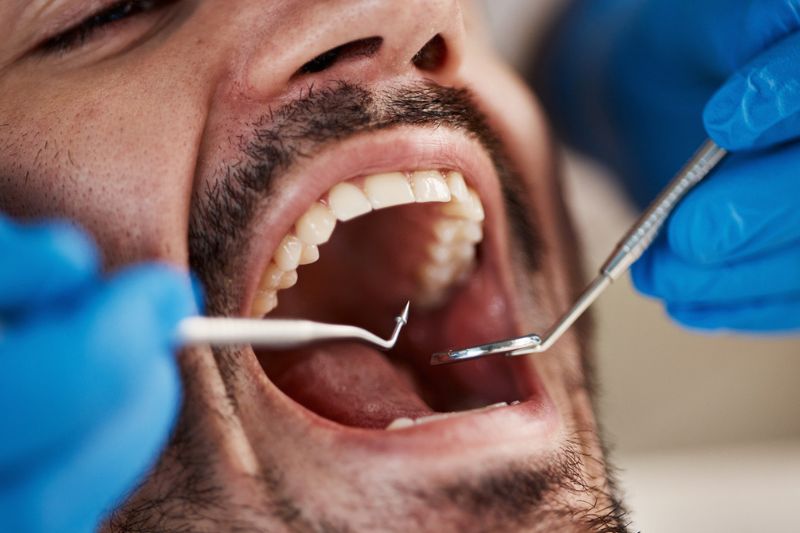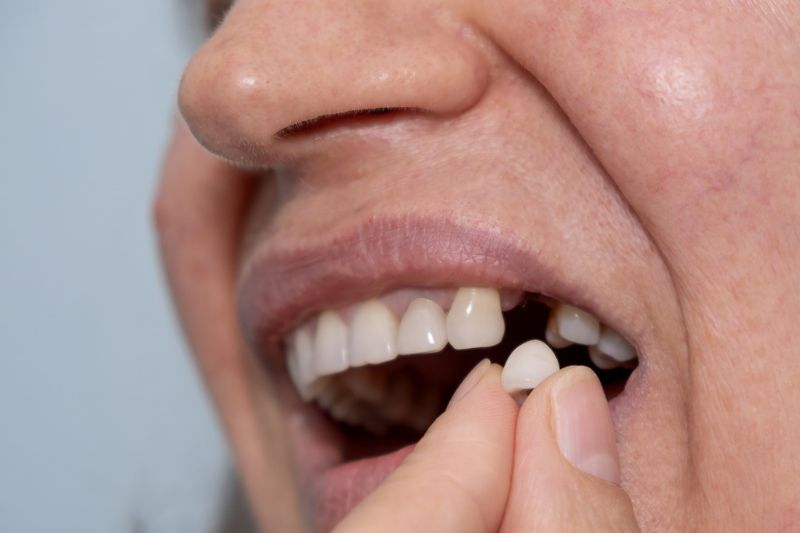
A missing tooth in Wetherill Park is more than a cosmetic concern. Once a tooth has been lost, the surrounding teeth can gradually begin to move into the empty space, changing the way your teeth fit together and making them more difficult to clean. Over time, this may increase the risk of tooth wear, gum disease, decay and bite problems. Early assessment by an experienced dentist in Wetherill Park can help determine whether treatment is needed to maintain your oral health and prevent additional complications. At Dr Raymond Platon & Associates, every treatment recommendation is tailored to your individual needs, oral health and long-term goals.
Losing a tooth can happen unexpectedly after an accident or dental emergency. Sometimes it occurs because of advanced tooth decay, gum disease or a tooth that cannot be saved despite treatment. Whatever the reason, many people assume that if the missing tooth is not visible when they smile, it is not an urgent problem.
In reality, your teeth function as a connected system. Each tooth helps support its neighbouring teeth while also sharing the forces created during chewing. When one tooth is missing, the balance within your mouth may gradually change.
These changes usually happen slowly, which is why many people do not notice them until they begin experiencing discomfort, food trapping or movement of nearby teeth.
If you have lost a tooth, understanding what may happen next can help you make informed decisions about protecting your long-term oral health.
Concerned about a missing tooth?
If you have recently lost a tooth or are worried that a gap is affecting your other teeth, our experienced team at Dr Raymond Platon & Associates can assess your bite, explain your options and help you protect your long-term oral health. Whether the tooth was lost recently or many years ago, early assessment can often prevent further complications.
Call (02) 9609 2935 or get directions on Google Maps to our clinic.
How a Missing Tooth Can Affect Your Bite
Each tooth has a specific job within your bite.
Your front teeth are designed to bite into food.
Your premolars and molars help grind food efficiently before swallowing.
Together, every tooth also helps maintain the position of the surrounding teeth.
When one tooth disappears, that support is reduced. Although your mouth may initially seem to function normally, gradual changes can begin underneath the surface.
The body naturally attempts to adapt to the new space, but these adaptations are not always beneficial.
A Missing Tooth Can Cause Nearby Teeth to Move
One of the most common changes following tooth loss is movement of the neighbouring teeth.
Teeth are not permanently fixed like bricks in concrete. They are supported by the periodontal ligament, which allows tiny natural movements throughout life.
Without an adjacent tooth providing contact, nearby teeth may slowly drift towards the gap.
This movement may:
- create crooked or crowded teeth
- produce uneven spacing
- make flossing more difficult
- increase plaque accumulation
- affect the way your upper and lower teeth meet.
These changes usually occur gradually over months or years, making them easy to overlook until they become more noticeable.
Why Teeth Move After a Missing Tooth
The effects are not limited to the teeth beside the gap.
The tooth directly opposite the missing tooth can also begin moving.
For example, if a lower molar is missing, the upper molar may slowly drift downwards because it no longer has an opposing tooth during chewing.
Dentists sometimes refer to this as overeruption or supraeruption.
When this occurs, it may:
- interfere with normal chewing
- increase tooth wear
- make cleaning more difficult
- complicate future restorative treatment.
The longer the tooth remains missing, the more likely these changes may become.
How a Missing Tooth Changes Your Bite
Even a small amount of tooth movement can influence your bite.
When teeth no longer meet evenly, chewing forces may become unevenly distributed.
This may contribute to:
- excessive pressure on certain teeth
- faster tooth wear
- chipped fillings
- cracked teeth
- jaw discomfort in some individuals.
Many people are surprised that a missing tooth at the back of the mouth can eventually influence teeth elsewhere.
Because every tooth works together during chewing, even a single missing tooth may affect the overall function of your bite.
Food Can Become Trapped More Easily
As neighbouring teeth begin to move, small spaces may develop where food becomes trapped more frequently.
Food retention can increase plaque accumulation if it is not removed effectively.
This may increase the risk of:
- tooth decay
- gum inflammation
- bad breath
- bleeding gums.
Patients sometimes notice they are constantly picking food from one particular area after losing a tooth.
Although this may seem like a minor inconvenience, it can indicate that the surrounding teeth have already begun changing position.
Missing Teeth Can Make Cleaning More Difficult
Changes in tooth alignment often create areas that are harder to brush and floss.
Even patients with excellent oral hygiene can struggle to clean around teeth that have shifted.
When plaque remains on the teeth for extended periods, the likelihood of cavities and gum disease increases.
Routine dental examinations allow these changes to be identified before more extensive treatment becomes necessary.
If it has been a while since your last examination, our New Patient Offer may be a convenient way to have your oral health assessed.
Increased Pressure on Remaining Teeth
Every tooth shares the workload when you chew.
Once one tooth is lost, the remaining teeth may need to absorb greater chewing forces.
This additional pressure can contribute to:
- faster wear
- fractures
- cracked fillings
- discomfort when chewing.
This does not happen in every patient, but it becomes more likely when several teeth are missing or when the missing tooth has not been replaced for many years.
Can a Missing Tooth Affect Your Jaw?
Yes, it can.
Some people unconsciously begin chewing on only one side after losing a tooth.
Over time, this habit may place additional strain on certain muscles and joints.
Some patients notice:
- muscle fatigue
- jaw stiffness
- discomfort while chewing
- uneven tooth wear.
Not everyone develops these symptoms, but changes in chewing patterns are commonly observed after tooth loss.
Missing Front Teeth Can Affect Speech
Front teeth play an important role in producing certain sounds.
Depending on which tooth is missing, some people notice changes in pronunciation, particularly when speaking quickly.
Others may find themselves smiling less confidently during conversations or photographs.
Although confidence is a personal matter rather than a dental disease, it is an important aspect of overall wellbeing that should not be overlooked.
Bone Changes May Occur After Tooth Loss
Your jawbone remains healthy because it receives stimulation whenever you chew.
Once a tooth is lost, the bone in that area receives less stimulation.
Over time, the bone may gradually shrink.
The amount of change varies considerably between individuals and depends on many factors including general health, age and the reason the tooth was lost.
Bone changes may influence future treatment options, which is one reason dentists often recommend assessing missing teeth sooner rather than later rather than waiting until problems develop.
Does Every Missing Tooth Need to Be Replaced?
Not necessarily.
The answer depends on several factors, including:
- which tooth is missing
- your bite
- your oral health
- the condition of surrounding teeth
- your overall treatment goals.
Some missing teeth require prompt management because they are likely to affect neighbouring teeth.
In other situations, careful monitoring may be appropriate.
There is no single solution that suits every patient.
A comprehensive examination allows your dentist to explain the potential benefits and limitations of each option based on your individual circumstances.
What Are the Possible Treatment Options in Wetherill Park?
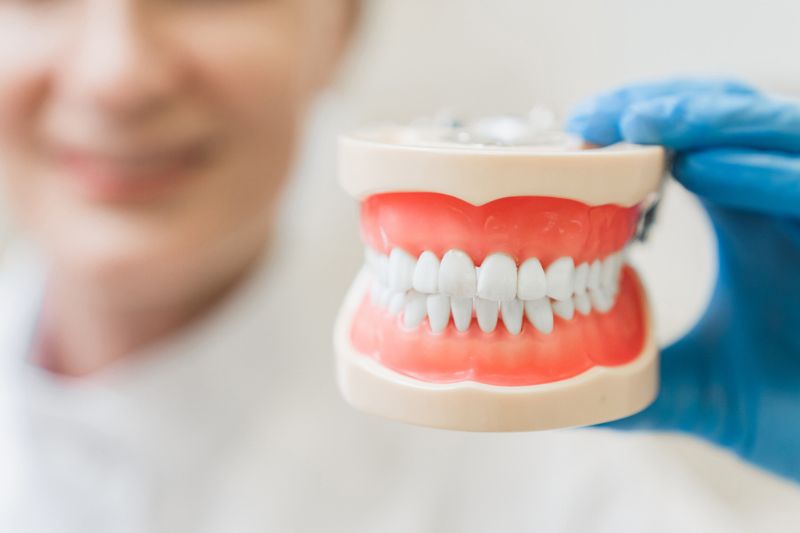
A dental model helps explain how a missing tooth can affect your bite and the treatment options available.
Treatment recommendations vary according to your oral health and clinical findings.
Depending on your situation, options may include restoring the space with a dental bridge, a removable denture or another appropriate restorative solution.
If neighbouring teeth have already shifted, additional treatment may sometimes be required before replacement becomes possible.
Your dentist will explain all suitable options, together with the advantages, limitations, expected maintenance and likely long-term outcomes.
The goal is always to help preserve the health of the remaining teeth while restoring comfortable function wherever appropriate.
If you have questions about replacement options, you can also learn more about our Dental Bridges service during your consultation.