

Jaw pain from stress in Wetherill Park is more common than many people realise and may affect the jaw muscles, teeth, and overall oral health.
At Dr Raymond Platon & Associates, we regularly help patients experiencing jaw pain from stress in Wetherill Park, Bossley Park, and Fairfield West understand how jaw tension and teeth clenching may affect comfort, sleep quality, and long term oral health. Early assessment and conservative care can often help reduce discomfort before more complex dental problems develop.
Stress affects the body in many different ways. While some people notice tight shoulders or headaches during stressful periods, others develop jaw tension without even realising it. In many cases, patients only become aware of the problem after waking up with jaw soreness, sensitive teeth, or headaches around the temples.
Because these symptoms can appear gradually, many people assume the discomfort will eventually settle on its own. However, ongoing clenching and muscle tension can place repeated pressure on the teeth, jaw joints, and surrounding muscles over time.
How Can Jaw Pain From Stress Affect the Jaw and Teeth?
Stress can trigger unconscious muscle activity, particularly during sleep. As a result, some people begin clenching or grinding their teeth without noticing. This repeated pressure may strain the jaw muscles and place excessive force on the teeth.
In addition, emotional stress can increase overall muscle tension throughout the body. The jaw muscles are especially sensitive because they are involved in speaking, chewing, swallowing, and facial movement throughout the day.
Common stress related symptoms may include:
• jaw tightness or soreness
• headaches near the temples
• teeth clenching during sleep
• facial muscle fatigue
• clicking or tension when opening the mouth
• tooth sensitivity without obvious decay
Jaw pain linked to stress is often muscular rather than infection related. Nevertheless, it is still important to have persistent symptoms assessed properly to rule out other oral health concerns.
Patients experiencing jaw clicking, muscle tightness, or facial tension may also benefit from reading about TMJ Treatment in Wetherill Park and how jaw joint strain may contribute to discomfort.
Why Does Jaw Pain From Stress Cause Teeth Clenching?

Stress and prolonged tension may contribute to unconscious teeth clenching and jaw discomfort throughout the day.
Teeth clenching is often linked to the body’s natural stress response. During periods of emotional pressure, anxiety, fatigue, or disrupted sleep, some people subconsciously tighten their jaw muscles throughout the day or while sleeping at night.
For many patients, the habit becomes so automatic that they only discover the issue after noticing worn teeth, jaw discomfort, or morning headaches. Others may hear comments from family members about grinding noises during sleep.
Furthermore, ongoing clenching can gradually wear down enamel and place extra pressure on fillings, crowns, and jaw joints. In some situations, heavy grinding may contribute to small enamel fractures, tooth wear, cracked fillings, pressure related sensitivity, and soreness when chewing.
Can Stress Cause Tooth Pain Without a Cavity?
Yes. Stress related clenching can sometimes create tooth discomfort even when no decay is present.
When excessive pressure is placed on the teeth repeatedly, the surrounding ligaments and muscles may become irritated. This can create symptoms that feel similar to toothache, including tenderness when biting, pressure sensations, or dull aching pain.
Because these symptoms can overlap with cracked teeth or dental infections, professional assessment remains important. Not every toothache is caused by decay, and not every jaw pain issue originates from the teeth themselves.
Patients concerned about biting pressure or tooth damage may also find our article on Broken Tooth in Wetherill Park: What to Do Immediately helpful.
What Does Jaw Pain From Stress Feel Like?
Stress related jaw tension often feels different from sudden dental pain. Many patients describe it as tightness around the cheeks, aching near the ears, facial fatigue, or soreness around the temples after waking up.
Some people also notice they hold tension in their jaw while working, studying, driving, or concentrating. Others experience headaches or muscle tightness after long stressful days without connecting the symptoms to their oral health.
Over time, this constant muscle activity may affect sleep quality and increase overall facial discomfort. The earlier these habits are identified, the easier they are often to manage conservatively.
When Should You See a Dentist for Jaw Pain From Stress?
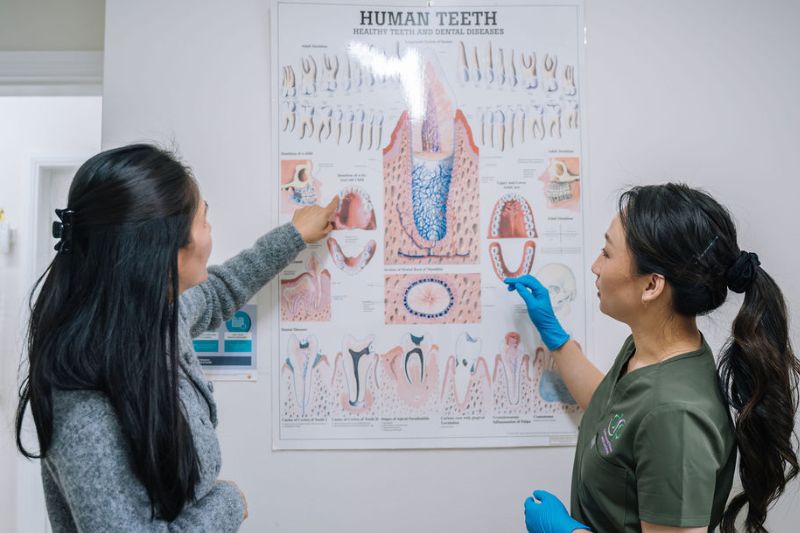
Personalised assessment and preventive dental care may help patients manage jaw tension, teeth clenching, and long term oral health concerns.
Occasional jaw tension may improve with rest, hydration, stress management, and improved sleep habits. However, persistent symptoms should be assessed professionally, particularly if they begin affecting chewing, comfort, or sleep quality.
You should consider arranging a dental assessment if you notice:
• regular jaw soreness
• headaches upon waking
• worn or sensitive teeth
• difficulty opening the mouth comfortably
• broken fillings or chipped teeth
• facial pain that gradually worsens
At Dr Raymond Platon & Associates, we assess the teeth, bite, jaw muscles, and surrounding oral structures carefully before recommending treatment. Every patient experiences symptoms differently, so personalised assessment remains important.
Patients experiencing sudden swelling, severe discomfort, or worsening pain may also benefit from our Emergency Dentistry in Wetherill Park services for urgent assessment.
How Is Stress Related Teeth Clenching Managed?
Treatment depends on the severity of symptoms and the underlying cause. In many situations, conservative approaches are recommended first.
Management may include identifying daytime clenching habits, improving sleep routines, reducing jaw muscle strain, monitoring tooth wear, and assessing whether a protective night guard may be appropriate.
In addition, maintaining regular preventive dental care helps monitor changes before more significant damage develops. Preventive care often helps reduce the risk of more complex dental problems later.
Patients wanting to strengthen long term oral health may also explore Preventive Dentistry in Wetherill Park and the role regular dental reviews play in protecting teeth from ongoing wear and stress related habits.
Can Stress Affect Long Term Oral Health?
Yes. Chronic stress related clenching can gradually contribute to tooth wear, cracked fillings, enamel damage, and jaw strain if left unmanaged for long periods.
However, not everyone experiences severe complications. Some patients only develop mild muscle fatigue, while others notice increasing sensitivity or headaches over time. Factors such as sleep quality, bite alignment, muscle habits, and stress levels may all influence symptom severity. For some patients, jaw pain from stress in Wetherill Park may slowly worsen over time if clenching and muscle tension are left unmanaged.
Importantly, healthy long term outcomes often depend on early awareness, personalised care, and ongoing monitoring rather than aggressive treatment.
According to Healthdirect Australia, teeth grinding and clenching may contribute to headaches, jaw discomfort, and tooth wear when symptoms continue over time.
Why Emotional Stress Often Shows Up in the Jaw
The jaw muscles are closely connected to emotional tension patterns. During periods of stress, many people unknowingly tighten their facial muscles throughout the day. This constant muscle activation can eventually create fatigue and discomfort.
Unlike sudden injuries, stress related jaw tension usually develops gradually. As a result, symptoms are often overlooked until discomfort begins interfering with eating, sleeping, or daily comfort.
Jaw pain from stress in Wetherill Park may develop gradually, which is why many patients do not initially connect headaches, clenching, or facial tension with their oral health.
Many patients feel relieved to discover their symptoms may be linked to muscle tension rather than serious dental disease. Nevertheless, proper examination remains important to rule out other oral health conditions.
Modern dentistry increasingly focuses on identifying small issues early and protecting natural tooth structure whenever possible. Conservative care, personalised guidance, and long term prevention remain important parts of maintaining healthy teeth and comfortable jaw function.
Frequently Asked Questions
Can stress really cause jaw pain?
Yes. Stress can increase muscle tension and unconscious clenching habits, especially during sleep. This may place pressure on the jaw muscles and surrounding joints, leading to soreness, tightness, or headaches.
Why do I wake up with jaw pain in the morning?
Morning jaw pain is often linked to overnight clenching or grinding. Many people clench their teeth during sleep without realising it. Persistent symptoms should be assessed professionally to help prevent long term tooth wear or jaw strain.
Can teeth clenching damage teeth?
Yes. Long term clenching may gradually wear enamel, strain fillings, increase tooth sensitivity, or contribute to cracks over time. Early assessment often helps reduce the risk of more significant damage later.
Is stress related jaw pain the same as TMJ disorder?
Not always. Stress related jaw tension is often muscular, while TMJ disorders involve the jaw joints themselves. However, clenching and grinding may contribute to TMJ related symptoms in some patients.
When should I see a dentist for jaw tension?
You should arrange an assessment if symptoms become frequent, painful, or begin affecting chewing, sleep, headaches, or tooth comfort. Persistent jaw tension should not simply be ignored long term.
You May Also Like
Patients interested in related oral health concerns may also find these articles helpful:
- Loose Tooth in Adults in Wetherill Park: Causes, When to Worry and What to Do
- Tooth Infection Symptoms in Wetherill Park: When It Becomes an Emergency
- Why Does My Tooth Feel Loose But Doesn”t Hurt in Wetherill Park?
Jaw tension and teeth clenching are common concerns, especially during stressful periods. Early assessment can often help reduce discomfort, protect the teeth, and improve long term comfort before symptoms worsen over time.
If you are experiencing ongoing jaw pain, facial tension, or teeth clenching, our team at Dr Raymond Platon & Associates is happy to help assess your symptoms and discuss personalised care options.
You can also find our Wetherill Park dental clinic easily on Google Maps.
About the Author
Dr Raymond Platon & Associates continues a proud legacy of over 30 years of dental care in Wetherill Park. Dr Raymond Platon took over the practice in 2002 and has since built a trusted reputation for patient focused, high quality dentistry. All information on this page is reviewed regularly to ensure accuracy and compliance with current dental guidelines. Suitability, risks, recovery needs, and alternatives will always be discussed with your dentist. Outcomes vary for each patient.
Published on: 30 June 2026
Updated on: 30 June 2026