
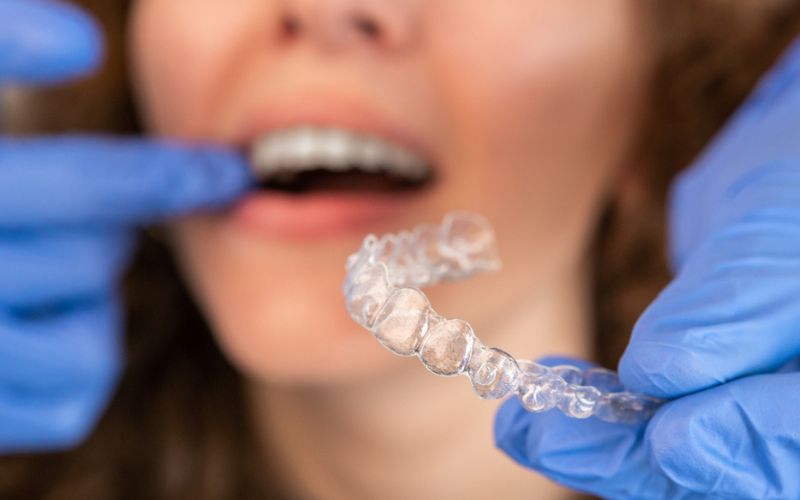
Teeth move after braces because the bone and tissues around them continue to adapt, while normal ageing, oral habits and inconsistent retainer wear may gradually affect alignment. Retainers help maintain tooth position, although regular dental reviews remain important for long term oral health, comfort and confidence.
Finishing orthodontic treatment in Wetherill Park can feel like an important milestone. After months or years of appointments, many people expect their teeth to remain in exactly the same position permanently.
However, teeth move after braces more often than many patients realise. Small changes may occur soon after treatment or appear gradually years later, even when the original orthodontic result was stable.
For patients in Wetherill Park, Bossley Park and Fairfield West, noticing a tight retainer, a returning gap or slight crowding can understandably feel disappointing. Fortunately, early assessment can often clarify what has changed and whether a new retainer, monitoring or further orthodontic care may be appropriate.
If your retainer no longer fits comfortably, do not force it into place. Our retainers in Wetherill Park page explains how personalised retention care can help support alignment after braces or clear aligner treatment.
Why do teeth move after braces?
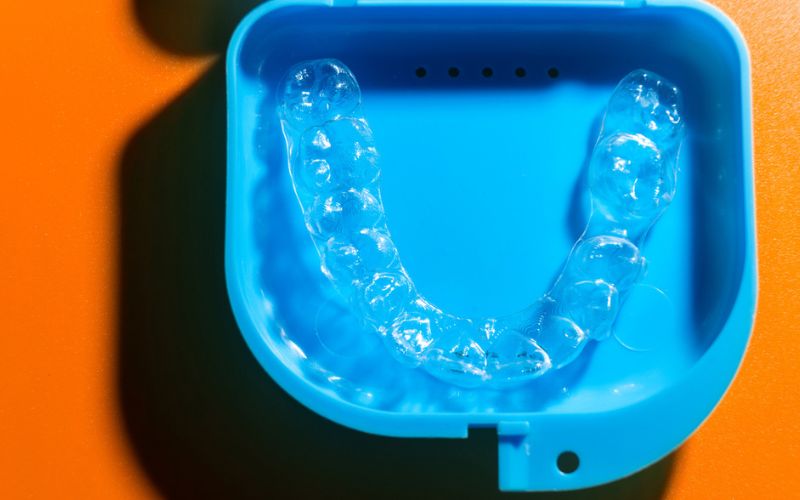
A removable retainer may help maintain tooth alignment after orthodontic treatment when worn and cared for as advised.
Teeth are not fixed directly into solid bone. Each tooth is supported by a periodontal ligament, which connects the tooth root to the surrounding bone and allows a small amount of natural movement.
During orthodontic treatment, controlled pressure encourages bone to remodel around the teeth. Once braces are removed, the bone, gums and supporting fibres need time to adapt to the new positions.
As a result, teeth may have a natural tendency to move towards an earlier position. Dentists often refer to this unwanted movement as orthodontic relapse.
Retainers help hold teeth while the surrounding tissues continue to stabilise. However, they reduce the risk of unwanted movement rather than guaranteeing that alignment will never change.
Can teeth shift immediately after braces are removed?
Yes, teeth can begin shifting soon after braces are removed, particularly when a retainer is not worn as advised. The first months after active orthodontic treatment are an important part of retention because the supporting tissues are still adapting.
Some people notice only a subtle change, such as a small gap or mild crowding. Others first become aware of movement because their removable retainer feels tighter than usual.
Therefore, following the personalised wear schedule provided by your dental team is important. Retention plans vary according to the original alignment, bite, treatment type, age and individual risk of relapse.
Why can teeth move years after braces?
In many cases, teeth move after braces years later because the mouth continues to change throughout life. Normal ageing, facial growth, pressure from the lips and tongue, dental wear and changes in the supporting gums or bone can all influence alignment. Normal ageing, facial growth, pressure from the lips and tongue, dental wear and changes in the supporting gums or bone can all influence alignment.
In addition, a retainer may become worn, distorted, damaged or no longer fit as it once did. A fixed retainer can also loosen without causing obvious discomfort, allowing one or more teeth to shift gradually.
Movement years after braces does not automatically mean that the original treatment failed. Instead, it often reflects the fact that the mouth is a living system that continues to adapt over time.
What makes teeth more likely to move after orthodontic treatment?
Several factors may increase the likelihood of post treatment movement. The effect of each factor varies between patients, which is why retention advice should be personalised.
Inconsistent retainer wear
Removable retainers work only while they are worn according to professional advice. If wear becomes irregular, teeth may gradually move into the available space.
This does not mean every missed night will cause major relapse. However, repeated gaps in wear may make the retainer feel progressively tighter or prevent it from seating fully.
A lost, broken or distorted retainer
Retainers can crack, warp or become damaged through heat, poor storage or everyday wear. Fixed retainers may loosen from one tooth while remaining attached elsewhere.
Therefore, a damaged appliance should be assessed rather than used indefinitely. Early replacement may help reduce the opportunity for further movement.
Natural ageing and continuing growth
The teeth, jaws and facial structures can continue changing during adulthood. Even people who have never had orthodontic treatment may notice gradual crowding or changes in their bite over time.
For this reason, long term retention is commonly discussed after braces or Invisalign®. Your dentist will recommend a schedule based on your individual circumstances rather than a single rule for everyone.
Teeth grinding and oral habits
Clenching, grinding, nail biting and other repeated pressures may affect the teeth, restorations and supporting structures. Tongue posture and some oral habits may also influence alignment in certain cases.
However, tooth movement can have several causes. A professional assessment is more reliable than assuming one habit is responsible.
Gum disease or loss of dental support
Healthy gums and supporting bone help keep teeth stable. When periodontal disease affects these tissues, teeth may feel loose, change position or develop new spaces.
This type of movement is different from ordinary orthodontic relapse and requires dental assessment. Bleeding gums, swelling, persistent bad breath or increasing mobility should not be ignored. Our periodontal and gum care in Wetherill Park page explains how gum health and dental stability are assessed.
Missing teeth or changes to the bite
A missing tooth can leave space that neighbouring teeth may gradually move towards. Dental wear, tooth loss and changes in restorations may also alter how the upper and lower teeth meet. Our article about how a missing tooth can affect the surrounding teeth explores these changes in more detail.
Consequently, maintaining general dental health remains part of maintaining orthodontic results. Regular examinations allow the dentist to assess both alignment and the health of the teeth and gums.
What are the early signs that teeth are shifting?
Most people notice small changes before movement becomes more obvious. Common signs include a retainer feeling tighter, a gap beginning to reopen, mild crowding or one tooth appearing slightly rotated.
You may also notice that floss passes differently between certain teeth or that your bite no longer feels quite the same. Photos taken at the end of orthodontic treatment can sometimes help show whether a visible change has occurred.
However, not every sensation means the teeth have moved. Retainers can also feel different because of damage, plaque buildup or changes in the gums, so assessment may be needed.
Is a small amount of movement normal?
Minor changes can occur as the teeth and bite settle after active treatment. In many cases, a small difference does not require complete orthodontic treatment again.
Nevertheless, the significance of movement depends on its cause, location and effect on function. A change that seems minor visually may still affect how the teeth meet or how a retainer fits.
Therefore, it is sensible to arrange a review if movement is continuing, the bite feels different or the retainer no longer fits normally. Early advice may provide more conservative options.
What should you do if your retainer feels tight?
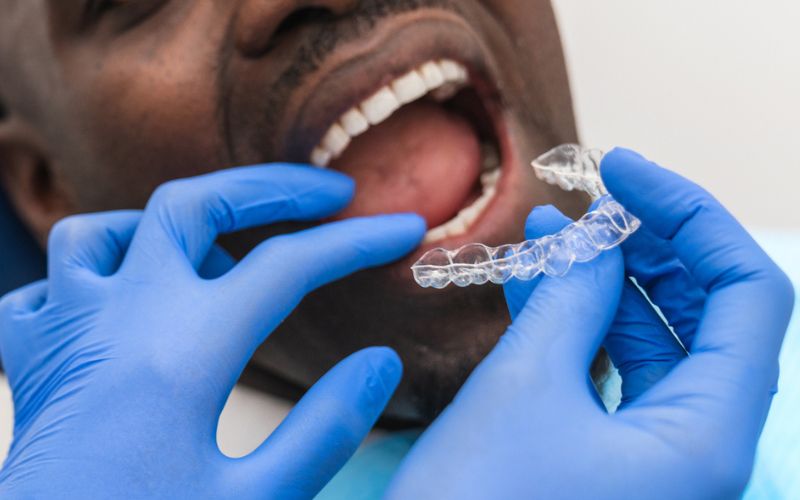
A tight or poorly fitting retainer should be professionally assessed rather than forced into place.
A mildly tight retainer may indicate that the teeth have shifted slightly or that wear has been inconsistent. It may also mean the appliance has changed shape.
Do not bite forcefully on the retainer or continue wearing it through significant pain. If it does not seat completely, causes sharp pressure or creates gum irritation, stop and arrange an assessment.
The dental team can check the retainer, tooth position, bite and gum health. Depending on the findings, the next step may involve monitoring, adjusting or replacing the retainer, or discussing limited orthodontic correction.
Can an old retainer move shifted teeth back?
A retainer is primarily intended to maintain alignment rather than provide unsupervised orthodontic treatment. A slightly tight appliance may sometimes still fit, but an old retainer should not be forced over teeth that have noticeably moved.
Excessive pressure may damage the retainer, irritate the gums or place unwanted force on the teeth. In addition, movement may have occurred for a reason that needs diagnosis before any correction is considered.
For personalised advice, an orthodontic review is the safest starting point. During this review, the dental team can assess alignment, bite, retainer fit and oral health before discussing suitable options.
Will you need braces again if your teeth have moved?
Not necessarily. The appropriate response depends on how far the teeth have moved, how the bite is affected and what the patient would like to address.
Some patients may only require a replacement retainer once stability and fit have been assessed. Others may benefit from limited orthodontic treatment, clear aligners or a more comprehensive approach.
Importantly, treatment recommendations should follow a clinical assessment. A dentist can explain the likely benefits, limitations, costs and alternatives before you decide what feels appropriate.
Patients considering fixed appliances can read more about braces in Wetherill Park, while suitability for any option depends on individual oral health and alignment needs.
How can you reduce unwanted movement after braces?
Consistent retainer wear remains one of the most important ways to support alignment after orthodontic treatment. However, the appliance also needs appropriate cleaning, storage and periodic review.
Keep removable retainers away from hot water because heat may distort some materials. Store the retainer in its protective case when it is not being worn, and follow the cleaning instructions provided by your dental team.
In addition, attend routine dental examinations and maintain careful brushing and interdental cleaning. Healthy teeth, gums and supporting tissues provide the foundation for long term stability. Our preventive dentistry in Wetherill Park page outlines ways to support oral health between orthodontic reviews.
If a fixed retainer feels loose, a removable retainer is damaged or either appliance no longer fits as expected, arrange a review promptly. Waiting may allow additional movement to occur.
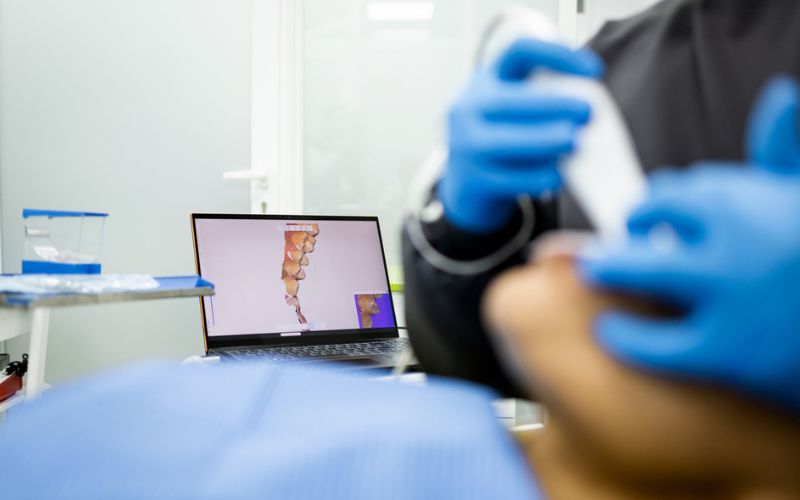
Digital scans may help assess changes in tooth alignment and support personalised orthodontic recommendations.
When should you arrange an orthodontic review?
Consider arranging a review if your retainer no longer fits, visible spaces or crowding are increasing, or your bite feels different. You should also seek advice if a fixed wire has detached, the retainer is broken or tooth movement is accompanied by pain or gum symptoms.
Sudden looseness, swelling, bleeding or significant discomfort may indicate a dental or periodontal problem rather than simple relapse. In those situations, assessment should not be delayed.
At Dr Raymond Platon & Associates, patients from Wetherill Park, Greenfield Park and nearby communities can receive an individual assessment of alignment, retainer fit and oral health. The aim is to explain what has changed and discuss suitable options without pressure.
To arrange a retainer or orthodontic review, call (02) 9609 2935. You can also explore our free orthodontic consultation in Wetherill Park to understand what is included and whether it suits your needs.
Frequently Asked Questions
Can teeth move even if I wear my retainer?
Yes, small changes may still occur because teeth and supporting tissues continue to adapt throughout life. Consistent retainer wear reduces the risk of unwanted movement, but it cannot guarantee that alignment will never change.
How quickly can teeth move after braces are removed?
Movement can begin during the early months after braces, particularly when a retainer is not worn as advised. The rate varies according to the original tooth position, bite, age, tissue response and retention plan.
Why are my teeth shifting years after braces?
Teeth may shift years later because of ageing, continuing growth, oral habits, retainer wear, gum health or changes in the bite. An assessment can help identify whether the change is ordinary relapse or related to another dental concern.
Should I force my old retainer to fit?
No. Do not force a retainer that will not seat fully or causes significant pain. A dental professional should check the appliance and tooth position before advising whether it can still be used, needs replacement or whether another option is appropriate.
Can a new retainer correct teeth that have already moved?
A standard retainer is mainly designed to maintain tooth position. Whether minor movement can be addressed with a particular appliance depends on the amount of relapse, the bite and oral health, so professional assessment is needed.
Maintaining Alignment Is a Long Term Process
Teeth can move after braces because the mouth continues changing throughout life. Retainers, healthy gums, regular dental care and early review of fit changes all help support long term stability.
If you are concerned that your teeth are shifting, a calm assessment can clarify whether the change is minor or needs attention. Call Dr Raymond Platon & Associates on (02) 9609 2935 to arrange personalised advice at our Wetherill Park dental clinic.
You can also find us on Google Maps for directions to the practice.
About the Author
Dr Raymond Platon & Associates continues a proud legacy of over 30 years of dental care in Wetherill Park. Dr Raymond Platon took over the practice in 2002 and has since built a trusted reputation for patient focused, high quality dentistry. All information on this page is reviewed regularly to ensure accuracy and compliance with current dental guidelines. Suitability, risks, recovery needs, and alternatives will always be discussed with your dentist. Outcomes vary for each patient.
Published on: 11 August 2026
Updated on: 11 August 2026