

Crowns vs veneers are different dental restorations that may improve the appearance of a tooth, although they are recommended for different clinical reasons. A veneer covers mainly the front surface and may suit certain cosmetic concerns, while a crown surrounds most of the visible tooth and may be considered when greater structural protection is needed. The appropriate option depends on the amount of healthy tooth structure, existing fillings, cracks, decay, bite forces, gum health and personal goals. Both treatments carry risks, can involve irreversible tooth preparation and may need replacement over time, so a dental examination is essential before deciding which option may support comfort, function, natural appearance and long term oral health.
Comparing crowns vs veneers can feel confusing. However, the most suitable restoration is not selected by appearance alone.
For patients in Wetherill Park, Bossley Park, Fairfield West and Prairiewood, the decision begins with tooth health and strength. An assessment can clarify whether the concern is cosmetic, structural or suited to a more conservative option.
If you are comparing dental crowns and dental veneers, an examination can help you understand the differences without committing to treatment. Recommendations should be based on your teeth, bite, gums and long term oral health.
What Should You Know Before Comparing Treatment?
Current Australian advertising guidance includes dental veneers as higher risk non surgical cosmetic procedures. Veneer treatment is not risk free, and some forms of preparation require irreversible removal of enamel.
Before comparing appearance, it is important to understand that crowns and veneers both involve tooth preparation, clinical risks and ongoing maintenance. Possible concerns include sensitivity, gum irritation, changes to the bite, fracture, loosening, decay around a restoration and possible future root canal treatment.
Results, comfort, appearance and longevity vary between patients. No specific cosmetic or restorative outcome can be guaranteed, and both crowns and veneers may require maintenance or replacement over time.
Veneer consultations and treatment at Dr Raymond Platon & Associates may be provided by:
Dr Raymond Platon, Dental Practitioner, General Registration, AHPRA Registration DEN0001321891
Dr Loreen Akram, Dental Practitioner, General Registration, AHPRA Registration DEN0001155597
Dr Ninos Chamo, Dental Practitioner, General Registration, AHPRA Registration DEN0002607262
Crowns vs Veneers: What Is the Main Difference?
The main difference is how much of the tooth each restoration covers and why the treatment is being considered. A veneer covers mainly the visible front surface, while a crown covers most of the tooth above the gumline.
Veneers are generally considered when the concern relates to colour, shape, proportions, spacing or minor surface damage in a clinically suitable tooth. By contrast, crowns are often considered when a tooth needs more extensive restoration or structural protection.
Therefore, a dentist first assesses the tooth rather than beginning with the desired restoration. The amount of healthy enamel, existing fillings, decay, cracks, previous treatment and bite forces all influence the recommendation.
This crowns vs veneers comparison summarises the main differences, although individual suitability still requires a dental examination.
| Consideration | Veneer | Crown |
|---|---|---|
| Tooth coverage
|
Covers mainly the front surface of the tooth | Covers most of the visible tooth above the gumline |
| Common role
|
May address selected cosmetic concerns in suitable teeth | May restore or protect a weakened or extensively damaged tooth |
| Tooth preparation
|
Varies and may involve irreversible enamel removal | Usually involves more extensive tooth preparation |
| Possible alternatives
|
Whitening, composite bonding, orthodontics or no treatment | Filling, inlay, onlay, monitoring or another restorative option |
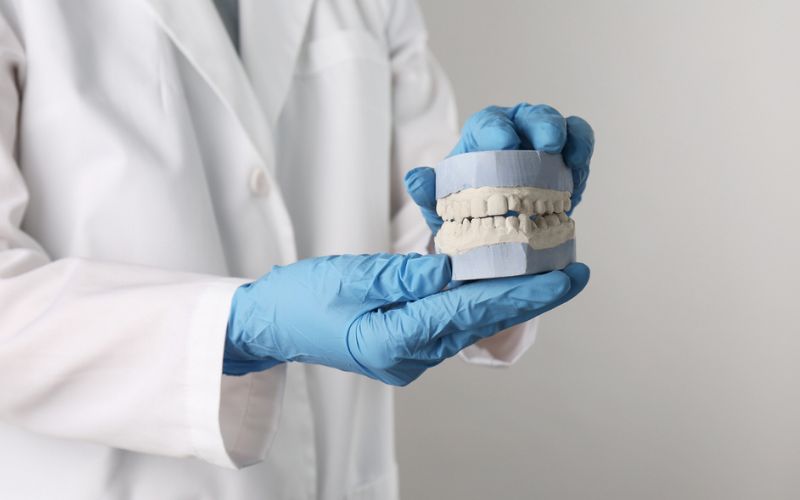
The amount of healthy tooth structure helps determine whether a crown, veneer or more conservative treatment may be appropriate.
What Is a Dental Veneer?
A dental veneer is a custom restoration attached mainly to the front of a tooth. Veneers may be made from porcelain or tooth coloured composite material.
Porcelain veneers are made to suit the planned shape and shade of the teeth. However, preparing a tooth for a porcelain veneer may involve removing enamel to create space and support the restoration.
Once enamel has been removed, it does not grow back. Consequently, the treated tooth may continue to need a veneer or another restoration in the future.
Composite veneers are formed using tooth coloured resin. In some cases, they may require less preparation, although suitability depends on the tooth position, existing damage, bite and the change being considered.
When Might a Veneer Be Considered?
A veneer may be considered when the concern mainly affects the visible surface of an otherwise suitable tooth. For example, it may be discussed for certain differences in tooth shape, proportions, colour or minor surface damage.
In many cases, enough suitable enamel must remain to support predictable bonding. Healthy gums and a stable bite are also important because the restoration must function as well as look natural.
However, veneers may not be appropriate when a tooth has extensive decay, a large filling, inadequate enamel, a significant crack or severe structural weakness. Active gum disease and uncontrolled tooth grinding may also need attention before cosmetic treatment is considered.
What Is a Dental Crown?
A dental crown is a custom restoration that covers most of a prepared tooth. Its purpose is generally to restore a damaged or weakened tooth while also rebuilding its shape and appearance.
A crown may be considered when a tooth contains a very large filling or has lost substantial natural structure. It may also be discussed when decay, fracture, severe wear or previous treatment has increased the risk of further damage.
Because a crown surrounds more of the tooth, preparation usually involves removing more tooth structure than veneer preparation. However, this may be clinically justified when the tooth already needs broader protection.
When a tooth has a moderate amount of damage, the distinction may be less obvious. Our guide to crowns versus fillings explains how the amount of remaining tooth structure can influence that decision.
When Might a Crown Be More Appropriate?
A crown may be more appropriate when the tooth needs structural restoration rather than a change limited to its front surface. For example, a heavily filled tooth may not have enough suitable enamel or strength to support a veneer.
Likewise, a cracked or extensively decayed tooth may require coverage around more of the remaining structure. The dentist will consider whether the tooth can be restored predictably and whether another option could preserve more healthy tissue.
Crowns are sometimes recommended after root canal treatment, particularly for back teeth exposed to stronger chewing forces. Nevertheless, not every root treated tooth requires exactly the same restoration.
The tooth location, remaining structure, existing restorations and bite all affect the decision. Therefore, the recommendation should follow a clinical examination.
Crowns vs Veneers: Is One More Conservative?
Veneers often cover less of the tooth than crowns. Nevertheless, that does not make every veneer treatment minimal or reversible, because the required preparation depends on the tooth and proposed change.
A crown normally requires preparation around a greater portion of the tooth. Therefore, it may be unnecessarily invasive for a healthy tooth with a small cosmetic concern, even though it may be justified when a tooth needs structural restoration.
The most conservative option is the one that addresses the diagnosed issue while preserving appropriate healthy tooth structure. Sometimes this may be whitening, orthodontics, tooth contouring, composite bonding or no treatment.
Could Another Treatment Be More Suitable?
Yes. Crowns and veneers are not the only options for changing or restoring teeth.
If colour is the main concern, professional teeth whitening may be considered after an oral health assessment. However, whitening does not change tooth shape, close spaces or repair structural damage, and results vary.
For a small chip, localised space or minor shape difference, composite bonding may be an option. Although bonding may involve less tooth preparation in selected cases, the material can still stain, chip or require maintenance.
When tooth position causes the concern, braces or clear aligners may be more appropriate because orthodontic treatment moves teeth rather than covering them. However, treatment suitability and timeframes vary.
For a damaged back tooth, a filling, inlay or onlay may sometimes preserve more natural structure than a crown. Alternatively, monitoring may be reasonable when there is no disease, damage or functional problem requiring treatment.
Choosing not to proceed with elective cosmetic treatment is also a valid option. A balanced consultation should explain the likely benefits, meaningful risks, limitations, maintenance and reasonable alternatives.
How Do Dentists Decide Between a Crown and a Veneer?
The decision starts with a thorough dental examination. First, the dentist assesses whether the tooth is healthy enough to restore and whether any active disease needs treatment.
The dentist then considers the available enamel and dentine, existing restorations, cracks, decay and previous treatment. The bite is also assessed because grinding or clenching may increase the risk of restoration damage.
Finally, the dentist discusses the patient’s concerns and expectations. Clear communication is important because a clinically sound plan must support function and long term oral health, not appearance alone.

Dr Raymond Platon uses a dental model to explain how tooth structure can influence crown and veneer treatment planning.
Crowns vs Veneers: Risks and Long Term Considerations
Crowns and veneers can both require ongoing care. Neither restoration should be described as permanent.
Veneers may chip, fracture, debond or become less harmonious with surrounding teeth as gums and natural teeth change. Sensitivity may occur, and some teeth may later require additional treatment.
Crowns can also chip, fracture or loosen. If an existing restoration changes, our article about Can a Damaged Dental Crown Be Repaired or Does It Need Replacing in Wetherill Park? explains why an examination may be needed.
Grinding, clenching and other heavy bite forces may shorten the life of either restoration. Therefore, a dentist may discuss managing these forces as part of the treatment plan.
Daily cleaning and regular examinations remain important. Even with careful maintenance, however, no dentist can predict exactly how long an individual restoration will last.
What Should You Expect During a Consultation?
A consultation should begin with listening. The dentist should understand what concerns you, what you hope to change and whether the issue affects comfort, function, confidence or a combination of these factors.
The examination then assesses the teeth, gums and bite. If crowns or veneers may be suitable, the dentist should explain the preparation, meaningful risks, alternatives, maintenance and fees before treatment begins.
Cosmetic treatment should not be presented as urgent when there is no urgent clinical need. Therefore, taking time to understand the options is part of informed decision making.
Choosing Crowns vs Veneers in Wetherill Park
The choice between crowns vs veneers cannot be made safely from a photograph or search result alone. A veneer may suit a selected surface concern, while a crown may be more appropriate when a tooth needs broader restoration or protection.
However, another treatment may preserve more natural tooth structure. Whitening, bonding, orthodontics, an inlay, an onlay or no immediate treatment may sometimes be preferable.
At Dr Raymond Platon & Associates, recommendations are based on an individual assessment of oral health, tooth structure, function and informed preferences. The purpose of the consultation is to explain the options clearly, not to assume that cosmetic treatment is necessary.
If you would like to understand which options may be clinically appropriate, contact our Wetherill Park dental clinic or call (02) 9609 2935 to arrange an examination. You can also get directions through Google Maps.
Frequently Asked Questions Crowns vs Veneers
Is a crown the same as a veneer?
No. A veneer covers mainly the front surface of a tooth, while a crown covers most of the visible tooth above the gumline. Veneers are generally considered for selected cosmetic concerns, whereas crowns are often used when a tooth needs greater structural restoration or protection.
Can I choose veneers instead of crowns?
Not always. A tooth with extensive decay, a large filling, a significant crack or limited healthy structure may not support a veneer. Conversely, placing a crown on a relatively healthy tooth may remove more structure than necessary, so a dentist must assess the tooth before recommending either option.
Are veneers reversible?
Veneers should not be described as reversible. When enamel is removed, it does not grow back, and the tooth may continue to need a veneer or another restoration. Even when limited preparation is proposed, risks and long term maintenance should be discussed.
Which lasts longer, a crown or a veneer?
There is no single answer for every patient. Longevity depends on the tooth, material, bite, grinding, oral hygiene, gum health and other individual factors. Either restoration can chip, loosen, develop decay around its margins or require replacement.
Which option looks more natural?
Either a crown or veneer may be designed to blend with surrounding teeth, but a particular appearance cannot be guaranteed. The result depends on gum levels, underlying tooth colour, neighbouring teeth, material choice, treatment design and individual clinical circumstances.
Cosmetic Dental Treatment Disclaimer
This article provides general educational information and does not replace an individual dental examination, diagnosis or informed consent discussion. Crowns and veneers involve risks, limitations and ongoing maintenance.
Veneer treatment may require irreversible removal of enamel. Results and treatment longevity vary between patients, and no specific cosmetic or restorative outcome can be guaranteed.
This information is not intended to create unnecessary demand for cosmetic treatment. Choosing not to proceed, delaying treatment or considering a more conservative alternative may be appropriate.
About the Author
Dr Raymond Platon & Associates continues a proud legacy of over 30 years of dental care in Wetherill Park. Dr Raymond Platon took over the practice in 2002 and has continued its focus on patient centred dental care. All information on this page is reviewed regularly to support accuracy and alignment with current dental guidelines. Suitability, risks, recovery needs and alternatives will always be discussed with your dentist. Outcomes vary for each patient.
Published on: 4 August 2026
Updated on: 4 August 2026