

This article from Dr Raymond Platon & Associates explains how to stop tooth pain fast in Wetherill Park. Learn what actually works, what to avoid, and when urgent dental care is needed to protect your long-term oral health.
Tooth pain can often be relieved temporarily with cold compresses, salt water rinses and pain relief medication. However, ongoing tooth pain usually indicates infection, decay or damage and requires professional dental treatment.
Fast relief is important, but treating the cause is what protects your long-term oral health.
Why tooth pain can feel intense and urgent
Tooth pain often starts suddenly. In many cases, it can feel sharp, throbbing, or constant. Although some discomfort settles temporarily, pain is usually a sign that something deeper is happening.
Common causes include decay, infection, cracks, or gum inflammation. Because of this, stopping the pain quickly matters. However, identifying the cause is what prevents the problem from returning. Many patients from Prairiewood, Bossley Park, and Fairfield West experience sudden tooth pain and look for fast relief before seeing a dentist in Wetherill Park.
A proper diagnosis usually begins with a detailed dental exam in Wetherill Park to assess the tooth and surrounding tissues. Our Wetherill Park dental team focuses on early diagnosis to prevent long-term complications.
How to stop tooth pain fast at home

Cold compress can help reduce swelling and provide temporary relief for tooth pain before seeing a dentist in Wetherill Park.
If you are experiencing discomfort, a few steps may help reduce pain temporarily while you arrange care.
Rinse with warm salt water
Salt water helps reduce inflammation and clean the area. Therefore, it is often the first step to calm irritation.
Apply a cold compress
A cold pack placed on the outside of your cheek can reduce swelling and numb the pain.
Take over-the-counter pain relief
Medication may ease symptoms temporarily. However, it does not treat the underlying cause.
Avoid chewing on the painful side
Pressure can worsen the pain. As a result, limiting chewing can prevent further irritation.
Keep the area clean
Food trapped between teeth can increase discomfort. Gentle cleaning may help relieve pressure.
What causes sudden tooth pain
Tooth pain usually indicates a specific dental issue. Understanding the cause helps guide the correct treatment. Ignoring tooth pain can allow infection to spread and may lead to more complex treatment if left untreated.
Infection inside the tooth
When bacteria reach the nerve, pain often becomes severe and persistent. In this situation, early treatment is critical. You can explore this further through root canal treatment in Wetherill Park, which is designed to save the natural tooth.
Cracked or damaged tooth
A crack can cause sharp pain when biting or chewing. In many cases, this type of damage requires restoration using restorative dentistry in Wetherill Park to restore strength and function.
Gum disease or inflammation
Swollen or infected gums can create pressure and discomfort. Managing this early with gum disease treatment in Wetherill Park helps prevent long-term damage.
Best temporary tooth pain relief methods
Although home remedies can help, long-term relief requires professional care.
Depending on the cause, treatment may include:
- Repairing decay with dental fillings in Wetherill Park
- Strengthening damaged teeth with dental crowns in Wetherill Park
- Treating infection through root canal therapy
- Managing gum-related issues
If sensitivity is contributing to the pain, targeted tooth sensitivity treatment in Wetherill Park may also be recommended.
What not to do when you have tooth pain
Some common mistakes can worsen the situation.
Avoid placing aspirin directly on the gum, as it can cause irritation. Additionally, do not ignore persistent pain, even if it settles temporarily. Very hot or cold foods may also trigger sensitivity and increase discomfort.
Most importantly, delaying treatment can allow the condition to progress into something more serious.
If tooth pain continues or worsens, it may indicate a deeper problem that requires urgent dental attention.
When tooth pain becomes an emergency
You should seek immediate care if you experience:
- Severe or worsening pain
- Swelling in the face or jaw
- Fever or signs of infection
- Difficulty chewing or biting
- Pain that disrupts sleep
In these situations, contacting an emergency dentist in Wetherill Park can prevent complications and provide fast relief.
Why fast treatment matters
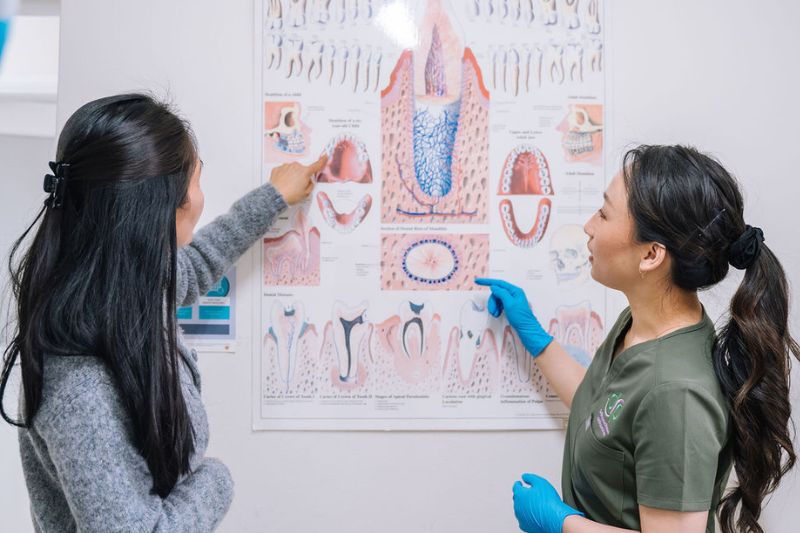
Caroline Nguyen, Oral Health Therapist, explaining the causes of tooth pain and how early diagnosis helps prevent more serious dental problems.
Stopping tooth pain quickly improves comfort. However, treating the cause is what protects your long-term oral health.
Early care can prevent infection from spreading, reduce the need for complex procedures, and help preserve your natural teeth. Regular visits and preventive dentistry in Wetherill Park also reduce the risk of future problems.
You may also like
These related topics explain common causes of tooth pain and when urgent dental care may be needed:
→ Tooth Infection Symptoms Wetherill Park: When It Becomes an Emergency
→ Cracked Tooth in Wetherill Park – Symptoms, Causes & Treatment
→ Why Does My Tooth Hurt When I Bite Down in Wetherill Park?
→ Broken Tooth in Wetherill Park: What to Do Immediately
These topics help you understand the causes of tooth pain and when urgent dental treatment may be required.
Frequently Asked Questions
How can I stop tooth pain immediately at home?
You can try salt water rinses, cold compresses, and pain relief medication. However, these methods are temporary. A dental assessment is needed to treat the cause.
Why does tooth pain come and go?
Pain may fluctuate when the nerve is irritated or when pressure changes. This often indicates an underlying issue that requires professional care.
Is tooth pain always an infection?
Not always. Pain can also come from cracks, gum inflammation, or sensitivity. A proper examination is needed to confirm the cause.
When should I see a dentist for tooth pain?
If pain lasts more than one or two days, becomes severe, or is associated with swelling or fever, you should seek dental care promptly.
Can a toothache go away on its own?
Pain may reduce temporarily, but the underlying condition usually remains and can worsen without treatment.
Can I go to the emergency dentist for tooth pain?
Yes. If your tooth pain is severe, worsening, or associated with swelling or infection, you should see an emergency dentist as soon as possible. Early treatment helps relieve pain quickly and prevents more serious complications.
You may also be interested in
If you are a new patient, you can take advantage of our new patient dental offer in Wetherill Park for a full check-up and clean.
We also provide flexible options through dental payment plans in Wetherill Park to make treatment more accessible.
Find us easily
→ Get directions to our clinic on Google Maps in Wetherill Park before your visit.
Take the next step
We regularly help patients from Wetherill Park and nearby suburbs such as Smithfield, Prairiewood and Bossley Park who need urgent dental care for tooth pain.
If you are experiencing tooth pain, early care makes a significant difference. Our clinic at 70 Lily St in Wetherill Park is easily accessible for patients across the surrounding area. Our team is available during the week and Saturday for urgent dental concerns. You can also explore our Emergency Dentist in Wetherill Park page for urgent care information.
Contact us through our contact page or call 📞 (02) 9609 2935 for immediate assistance.
About the Author
Dr Raymond Platon & Associates continues a proud legacy of over 30 years of dental care in Wetherill Park. Dr Raymond Platon took over the practice in 2002 and has since built a trusted reputation for patient-focused, high-quality dentistry. All information on this page is reviewed regularly to ensure accuracy and compliance with current dental guidelines. Suitability, risks, recovery needs, and alternatives will always be discussed with your dentist. Outcomes vary for each patient.
Published on: 28 April, 2026
Updated on: 28 April, 2026