
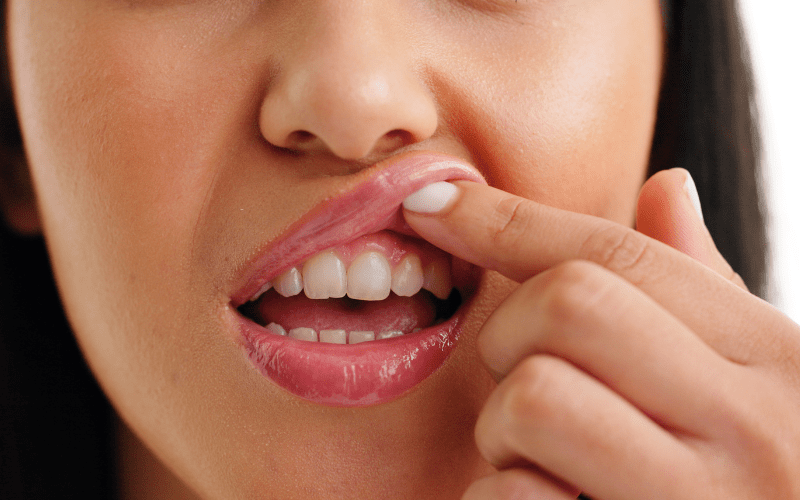
Why do gums feel sore or tender even when there is no bleeding? Many people notice gum discomfort and assume it will settle on its own because there is no visible blood. However, sore or tender gums are often an early sign that inflammation or plaque is already affecting gum health. Understanding what this discomfort means allows you to protect your gums and prevent more serious dental problems before they develop.
At Dr Raymond Platon & Associates in Wetherill Park, we regularly see patients who feel gum tenderness without bleeding. In many cases, this is the first warning sign that the gums need attention, even though the problem may not yet be obvious. Many patients ignore sore gums without bleeding, assuming it is not serious, even though it is often an early sign of gum inflammation.
Why Gum Tenderness Can Happen Without Bleeding
Healthy gums should feel firm and comfortable. When tenderness appears, it usually means the gums are reacting to irritation beneath the surface. Bleeding does not always occur at the early stage, which is why many people overlook the problem.
Plaque bacteria release toxins that irritate the gum line. Although bleeding may not be visible yet, inflammation can still be present. Because gum tissue is sensitive, even mild irritation can cause soreness or tenderness.
This early stage is important. Acting now can prevent gum disease from progressing.
Common Reasons Gums Feel Sore or Tender
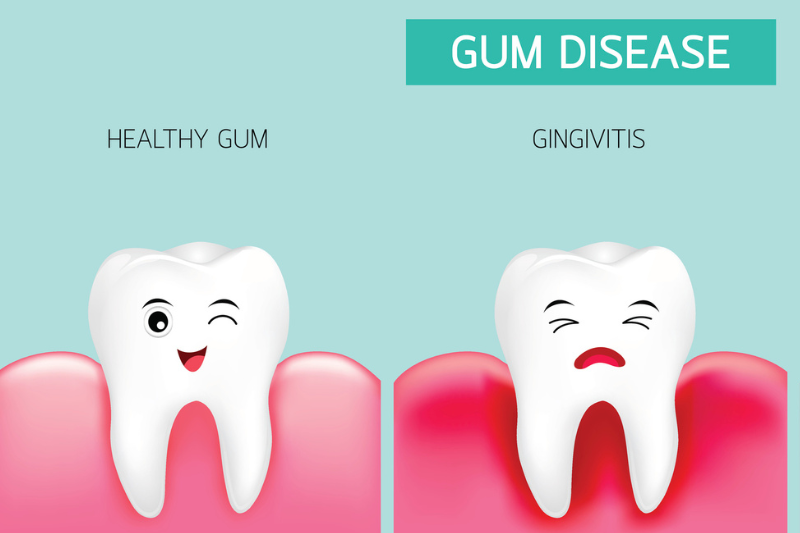
Plaque Build Up Along the Gum Line
Plaque that is not removed thoroughly collects near the gums. Over time, this build up irritates the tissue and causes tenderness, even without bleeding.
Learn more about Dental Cleaning in Wetherill Park to remove plaque safely and effectively.
Early Gum Inflammation
Gingivitis does not always cause bleeding at first. Some people notice tenderness, tightness, or sensitivity instead. Because symptoms are subtle, early inflammation is often missed.
Learn more about Gum Disease Treatment in Wetherill Park to address inflammation early.
Brushing Too Hard
Using excessive pressure when brushing can irritate the gums. Over time, this may also contribute to gum recession and sensitivity.
Dry Mouth
Saliva protects the gums by washing away bacteria. When saliva flow is reduced, bacteria build up more easily, leading to irritation and soreness.
Learn more about Smoking and Vaping Oral Health in Wetherill Park if dryness or irritation is contributing to your symptoms.
Why Sore Gums Should Not Be Ignored
Sore gums without bleeding are not normal and should be assessed early to prevent gum problems from progressing. Even without bleeding, gum tenderness is not normal. It is a sign that the gums are under stress. If the cause is not addressed, inflammation may progress and lead to bleeding, gum disease, or recession.
Early care is always easier, more comfortable, and more predictable than treatment at a later stage.
What Happens If Gum Tenderness Is Left Untreated?
If irritation continues, the gums may become more inflamed. Bleeding may begin when brushing or flossing. Over time, pockets can form around the teeth, allowing bacteria to move deeper below the gum line.
As gum disease progresses, the supporting bone can be affected. Because this process is often painless, many people do not realise how advanced the problem has become until noticeable changes occur.
How We Assess Sore or Tender Gums
When you visit us with gum tenderness, we take the time to understand what is happening. Your assessment may include:
• A detailed gum examination
• Measurement of gum health
• Plaque and calculus detection
• Review of brushing and flossing habits
• Dry mouth assessment
• Identification of risk factors
This careful approach allows us to recommend the right treatment for your situation.
Treatment Options for Tender Gums
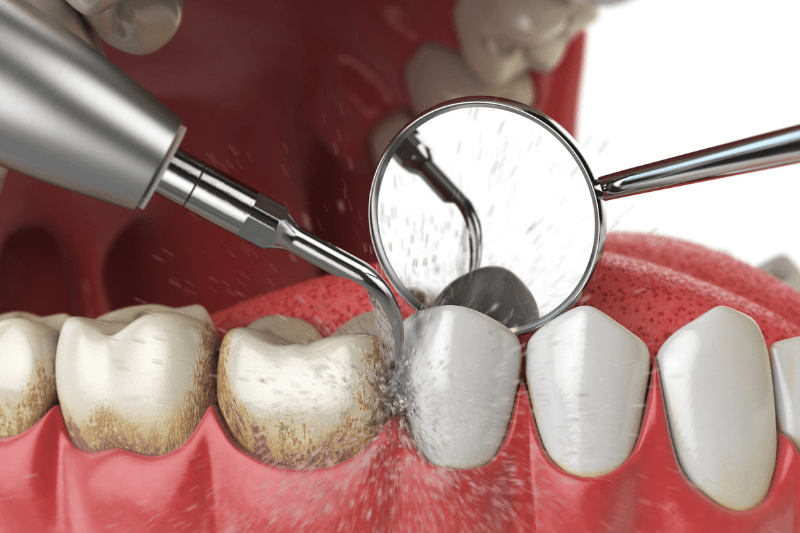
Treatment depends on the cause and severity of the tenderness. Professional cleaning is often the first step to remove plaque and calculus. Improved home care techniques help prevent irritation from returning.
For inflamed or sensitive gums, our dentists often recommend modern laser therapy. Laser dentistry can help reduce bacteria and inflammation while remaining gentle and comfortable.
Learn more about Laser Dentistry in Wetherill Park for supportive gum care.
How to Relieve Gum Tenderness at Home
Daily habits play a key role in gum comfort. Helpful steps include:
• Using a soft toothbrush
• Brushing gently along the gum line
• Cleaning carefully between teeth
• Drinking water regularly
• Avoiding harsh mouth rinses
• Keeping plaque under control
These steps support healing, but professional care is essential if tenderness persists.
Frequently Asked Questions
Why do my gums feel sore but do not bleed?
Tenderness often appears before bleeding. Early inflammation or plaque irritation can cause discomfort without visible blood.
Can sore gums be an early sign of gum disease?
Yes. Tender gums may be one of the first signs that inflammation is developing below the surface.
Should I see a dentist if my gums are sore but not bleeding?
Yes. Early assessment helps prevent progression and protects long term gum health.
Can professional cleaning help sore gums?
Yes. Removing plaque and calculus often relieves tenderness and reduces inflammation.
Can stress affect gum tenderness?
Stress can affect immune response and oral hygiene habits, which may increase gum sensitivity.
You May Also Like
• Bleeding Gums in Wetherill Park
• Gum Disease Treatment in Wetherill Park
• Dental Cleaning in Wetherill Park
Ready to Protect Your Gum Health?
If your gums feel sore or tender, early care makes a real difference. Our team welcomes patients from Wetherill Park, Bossley Park, Fairfield West, Wakeley, and Prairiewood. Because we focus on early detection and personalised care, we help protect your gums before problems progress.
📞 Call (02) 9609 2935 to book your appointment or get advice.
Get directions to our clinic via Google Maps
About the Author
Dr Raymond Platon & Associates continues a proud legacy of over 30 years of dental care in Wetherill Park. Dr Raymond Platon took over the practice in 2002 and has since built a trusted reputation for patient focused, high quality dentistry. All information on this page is reviewed regularly to ensure accuracy and alignment with current dental guidelines. Suitability, risks, recovery needs, and alternatives will always be discussed with your dentist. Outcomes vary for each patient.
Published on: 23 December, 2025
Updated on: 23 December, 2025