
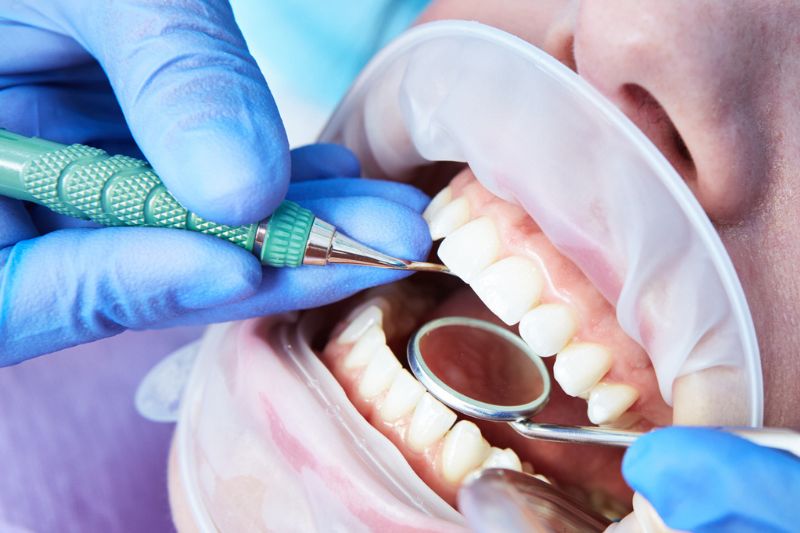
Can a Damaged Dental Crown Be Repaired or Does It Need Replacing in Wetherill Park?

Can a damaged dental crown be repaired?


Yes, a damaged dental crown can sometimes be repaired, but not every damaged crown needs the same treatment. Minor chips, loose crowns or small areas of wear may often be repaired or re-cemented, while larger fractures, extensive decay beneath the crown or damage to the supporting tooth may require replacement. The most appropriate option depends on a careful examination of both the crown and the natural tooth underneath.

Dental crowns are designed to restore strength, function and appearance to damaged teeth. They are one of the most reliable restorative treatments available, but like natural teeth, they can experience wear or become damaged over time.

If you’ve recently noticed a chipped crown, discomfort when biting, food catching around the restoration or a crown that feels loose, it’s understandable to wonder whether it can simply be repaired or whether a completely new crown is needed.

For patients in Wetherill Park, Bossley Park and Prairiewood, understanding the difference between crown repair and crown replacement can make treatment decisions less stressful. In many situations, preserving an existing crown is possible, while in others replacing it provides the safest long term outcome.


Why do dental crowns become damaged?


Dental crowns are designed to withstand the everyday forces of chewing and speaking. Modern materials such as porcelain, ceramic and zirconia are highly durable, yet no dental restoration is indestructible.

Over time, normal wear, changes in your bite and everyday habits can gradually affect even well-made crowns.

Some of the most common causes include:

  • Natural wear over many years
  • Biting unexpectedly on hard foods
  • Teeth grinding or clenching during sleep
  • Sporting injuries or accidental trauma
  • Decay developing around the edge of the crown
  • Changes affecting the supporting tooth
  • Dental cement gradually weakening with age

A damaged crown does not necessarily mean the tooth underneath has failed. Quite often, the supporting tooth remains healthy, allowing conservative treatment that preserves as much natural tooth structure as possible.


How do you know if your dental crown needs attention?


Some crown problems develop suddenly, while others progress gradually over months.

You may notice that your crown feels different before you experience any pain. Small changes are often the first indication that something has changed beneath the restoration.

Common signs include:

  • A chipped or rough edge
  • Pain when biting or chewing
  • Sensitivity to hot or cold foods
  • Food becoming trapped around the crown
  • A crown that feels loose or moves slightly
  • Changes in how your bite fits together
  • Swollen or irritated gums around the crowned tooth

Pain is not always the earliest warning sign. In fact, many patients first notice subtle changes in their bite or increasing food trapping before discomfort develops.

If your crown feels different, it is worth having it assessed before the problem progresses.


Can a damaged dental crown actually be repaired?


The answer depends on what has been damaged.

Sometimes the crown itself has only sustained a minor chip or has simply become loose. In other situations, the problem lies beneath the restoration, involving the supporting tooth rather than the crown.

During an examination, your dentist will assess the overall condition of the restoration, the health of the underlying tooth, the surrounding gums and how your teeth meet together when you bite.

The condition of the tooth underneath is often more important than the condition of the crown itself.

If the tooth remains healthy and the damage is relatively minor, repairing or re-cementing the crown may be appropriate. If significant decay, fracture or structural weakness is present beneath the restoration, replacing the crown usually provides a more predictable long term outcome.

Quick Answer


A damaged dental crown may often be repaired when the supporting tooth remains healthy and the restoration still fits correctly. If the crown can no longer protect the tooth or there is significant damage beneath it, replacement is generally the more reliable long term solution.
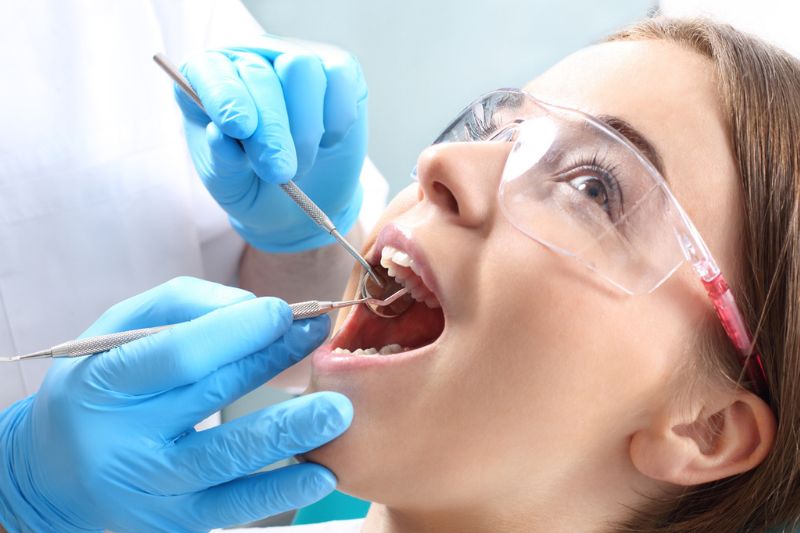
Dentist assessing a damaged dental crown to determine whether it can be repaired or replaced in Wetherill Park.

A clinical examination helps determine whether a damaged dental crown can be repaired or whether replacement is the most appropriate long-term treatment.


When can a dental crown usually be repaired?


Whenever possible, dentists prefer to preserve healthy restorations rather than replace them unnecessarily. This approach is known as conservative dentistry, where maintaining natural tooth structure is prioritised whenever it is clinically appropriate.

Repair may be considered in situations such as:

A loose crown

Sometimes the dental cement holding a crown in place gradually weakens over time. If the crown remains intact and still fits accurately, it may simply be cleaned and securely re-cemented.

A minor porcelain chip

Small chips that affect the appearance rather than the strength of a crown may occasionally be repaired using composite resin or by smoothing the affected area. Whether this is appropriate depends on the size and location of the defect.

A bite adjustment

Occasionally, the crown itself is perfectly healthy but feels uncomfortable because your bite has changed over time. A careful adjustment can often restore comfort without replacing the restoration.

Repair is only recommended when it provides a predictable and durable outcome. If repairing the crown is unlikely to restore its long term function, replacement may be the better option.


When is replacing the crown usually the better option?


Although repairing a crown is sometimes possible, there are situations where replacement offers greater long term protection for the tooth.

Replacement is often recommended when the crown has fractured extensively, no longer seals the tooth properly or when significant decay has developed beneath the restoration.

Other situations include crowns that have reached the end of their functional lifespan, supporting teeth that have cracked or restorations that no longer fit accurately because the tooth has changed over time.

Sometimes the crown itself appears acceptable during a visual examination, yet digital X-rays reveal problems hidden beneath the surface.

Replacing a failing crown before more serious complications develop may help preserve the underlying tooth and reduce the likelihood of more complex treatment in the future.

Situation Repair May Be Possible Replacement Often Recommended
Small porcelain chip Yes No
Loose crown with a healthy supporting tooth Yes No
Minor bite adjustment Yes No
Large fracture of the crown No Yes
Decay beneath the crown Sometimes Often
Cracked or severely damaged supporting tooth No Yes

Does every loose crown need replacing?


Not necessarily.

Many people assume that once a crown becomes loose it automatically needs replacing, but that is not always the case.

If the crown remains undamaged, fits accurately and the supporting tooth is healthy, it may simply need to be cleaned and re-cemented. However, if the restoration has fractured, become distorted or no longer provides an effective seal around the tooth, replacing it is usually the more predictable option.

If your crown has completely come away from the tooth, you may also find our article on Why Did My Filling or Crown Fall Out in Wetherill Park? helpful, as it explains what to do before your appointment.

Avoid trying to glue a loose crown back into place yourself. Household adhesives are not designed for dental use and may damage both the restoration and the underlying tooth, making professional treatment more difficult.

A clinical examination allows your dentist to assess the crown, the supporting tooth and the surrounding tissues together before recommending the most appropriate treatment.

Can decay develop underneath a dental crown?


Yes. Although a dental crown covers and protects the visible part of a tooth, the natural tooth underneath can still develop decay, particularly around the edge where the crown meets the tooth.

This area, known as the crown margin, needs to remain clean and well sealed. If bacteria begin to collect around the edge of the crown or the seal weakens over time, decay may develop beneath the restoration without being immediately noticeable.

In its early stages, there are often no obvious symptoms. As the problem progresses, you may begin to notice sensitivity, discomfort when biting, food becoming trapped more frequently or irritation around the surrounding gum.

Regular dental examinations are one of the best ways to detect problems beneath a crown before they become more complex. Early diagnosis often allows more conservative treatment while preserving as much healthy tooth structure as possible.


How long should a dental crown last?


Dental crowns are designed to provide long term protection, but like natural teeth, they experience wear over time. Many crowns continue to function well for 10 to 15 years or even longer, although there is no fixed lifespan that applies to every patient.

Their longevity depends on several factors, including your oral hygiene, the health of the supporting tooth, bite forces, dietary habits and whether you grind or clench your teeth.

A crown does not need replacing simply because it reaches a certain age. Instead, your dentist assesses whether it remains stable, continues to protect the tooth effectively and still provides a good seal around the restoration.

Some crowns remain in excellent condition for decades, while others require earlier replacement because of damage, wear or changes affecting the tooth underneath.


Could you need a root canal if your crown is damaged?


Not always.

Many patients worry that a damaged crown automatically means they will require root canal treatment. Fortunately, that is not usually the case.

During your appointment, your dentist will carefully assess the health of the tooth beneath the crown using a clinical examination and, where appropriate, digital X-rays. They will evaluate whether the dental pulp remains healthy, whether decay has reached the inner part of the tooth and whether sufficient healthy tooth structure remains.

Many damaged crowns can be repaired or replaced without root canal treatment, particularly when the problem is identified early.

If infection has reached the nerve inside the tooth, however, root canal treatment may be recommended before placing a new crown. The aim is to preserve your natural tooth whenever possible while restoring its strength and function.


A real clinical example


Imagine a patient bites unexpectedly on an olive pit while eating lunch. Afterwards, they notice a small chip on their dental crown but have no pain.

Following an examination, digital X-rays confirm the supporting tooth remains healthy and the crown still fits securely. In this situation, a minor repair may be appropriate instead of replacing the entire crown.

In contrast, another patient may have a crown that appears intact but experiences pain whenever they bite. X-rays reveal decay beneath the restoration, making replacement the more predictable long term solution.

Two crowns can look similar but require completely different treatment. This is why an examination is far more reliable than judging the situation based on appearance alone.

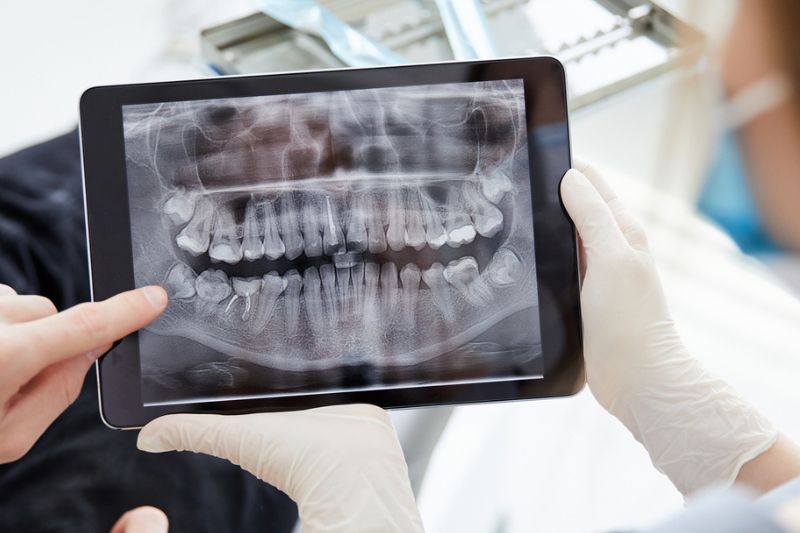
Dentist reviewing digital X-rays to assess a damaged dental crown in Wetherill Park.

Digital X-rays help identify hidden decay, fractures and changes beneath a dental crown to guide the most appropriate treatment.


What happens during your dental appointment?


The first step is understanding why the crown has become damaged.

Your dentist will examine the crown itself, assess the surrounding gums and evaluate how your teeth come together when you bite. Digital X-rays may also be recommended to assess the tooth beneath the crown and identify any hidden decay, fractures or changes that are not visible during a routine examination.

Where appropriate, digital photographs or intraoral scans may also assist in documenting the condition of the restoration and planning treatment.

Once the assessment is complete, your dentist will explain whether the crown can be repaired, re-cemented or whether replacement is likely to provide the most predictable long term outcome.

Every treatment recommendation is based on your individual circumstances rather than following the same approach for every patient.


Can you continue using a damaged crown?


Sometimes a very small cosmetic chip may not require immediate treatment, particularly if it does not affect the strength or function of the crown.

However, a loose crown, persistent pain or a restoration that exposes part of the natural tooth should always be assessed promptly.

Continuing to chew on a damaged crown places additional stress on both the restoration and the supporting tooth. Over time, this may increase the risk of further fracture, food becoming trapped, gum irritation or decay developing beneath the crown. If decay has affected a large portion of the tooth, restoring it may involve a new crown or other Restorative Dentistry treatment depending on the amount of healthy tooth remaining.

Addressing smaller problems early often allows simpler, more conservative treatment than waiting until significant damage has occurred.


How can you help your dental crown last longer?


Although no dental restoration lasts forever, good daily habits can significantly improve the lifespan of your crown.

Brushing twice a day with fluoride toothpaste and cleaning carefully around the edges of the crown helps remove plaque and protect the natural tooth underneath. Regular Check-Up and clean appointments also allow your dentist to monitor the restoration and identify small changes before they develop into larger problems.

The Australian Dental Association also recommends maintaining good daily oral hygiene and attending regular dental check-ups to help protect both natural teeth and existing dental restorations. You can find additional oral health information on the Australian Dental Association’s Teeth.org.au website.

If you grind or clench your teeth while sleeping, a professionally fitted night guard may help reduce excessive pressure on both your crown and your natural teeth. Avoiding habits such as chewing ice, biting pens or opening packaging with your teeth can also reduce the risk of accidental damage.

Looking after the supporting tooth is just as important as looking after the crown itself. Healthy gums and good preventive care provide the best foundation for long term success.


Should your dental crown be repaired or replaced?


There is no single answer that applies to every damaged dental crown.

Two patients with similar symptoms may require completely different treatment depending on the condition of the crown, the health of the tooth underneath, their bite and their overall oral health.

Repair is appropriate when it provides a durable and predictable result. Replacement is recommended when it offers better long term protection for the tooth.

The most important step is identifying the cause of the problem rather than making assumptions based solely on how the crown looks.


When should you see a dentist about a damaged crown?


If your crown feels loose, uncomfortable or different from normal, arranging an assessment sooner rather than later often provides the greatest number of treatment options.

At Dr Raymond Platon & Associates – Dentist Wetherill Park, we believe in conservative, personalised dentistry. Whenever clinically appropriate, preserving healthy tooth structure remains a priority. If repairing your existing crown is suitable, we will explain why. If replacement is likely to provide a better long term outcome, we will discuss the reasons, alternatives and expected benefits so you can make an informed decision.

If you live in Wetherill Park, Smithfield or Fairfield West, and you’re concerned about a damaged dental crown, an examination can determine the cause and help you understand the treatment options available.

You may also find these related resources helpful:

  • Dental Crowns for more information about how crowns restore damaged teeth.
  • Emergency Dentist if your crown has broken, become loose or is causing significant discomfort.
  • Root Canal Treatment to understand when additional treatment may be recommended before placing a new crown.
  • Dental Bridges if you are considering other restorative options for damaged or missing teeth.
Oral Health Therapist Caroline Nguyen demonstrating how to care for a dental crown during a patient consultation in Wetherill Park.

Oral Health Therapist Caroline Nguyen provides personalised advice to help patients care for their dental crowns and maintain long-term oral health.


Looking After Your Dental Crown

If you’ve noticed a chipped, loose or uncomfortable dental crown, an early assessment can help identify the cause and determine whether repair or replacement is the most appropriate option. If replacement is recommended, you can also learn more about Dental Crowns and how they restore damaged or weakened teeth.

If you’re concerned about a damaged dental crown, our team at Dr Raymond Platon & Associates – Dentist Wetherill Park can assess whether repair or replacement is the most appropriate option for your individual needs.

📞 Call (02) 9609 2935

You can also find Dr Raymond Platon & Associates on Google Maps for directions, opening hours and verified patient reviews before your visit.


Frequently Asked Questions


Can a damaged dental crown always be repaired?

Not always. Small chips, minor wear or a loose crown may sometimes be repaired or re-cemented, provided the crown and the tooth underneath remain healthy. If the crown is extensively damaged or decay has developed beneath it, replacing the crown is often the most reliable long term solution.

How do I know if my dental crown needs replacing?

A crown may need replacing if it has a significant crack, repeatedly becomes loose, no longer fits correctly or if decay has developed around or beneath it. Pain when biting, persistent sensitivity or food regularly becoming trapped around the crown are also signs that it should be professionally assessed.

Is a loose dental crown a dental emergency?

A loose crown is not always an emergency, but it should not be ignored. Leaving a loose crown untreated can expose the underlying tooth to bacteria, increasing the risk of decay, fracture or infection. Early assessment often allows simpler treatment.

Can a damaged crown lead to a root canal?

Sometimes, but not always. If bacteria reach the dental pulp, root canal treatment may be recommended before placing a new crown. Many damaged crowns can still be repaired or replaced without root canal treatment, particularly when treatment is sought early.

How can I help my dental crown last longer?

Brushing twice daily, cleaning carefully around the crown, attending regular dental check-ups and avoiding excessive force on the restoration all help extend its lifespan. If you grind your teeth, a professionally fitted night guard may also help protect both your crown and your natural teeth.


About the Author


Dr Raymond Platon & Associates continues a proud legacy of over 30 years of dental care in Wetherill Park. Dr Raymond Platon took over the practice in 2002 and has since built a trusted reputation for patient focused, high quality dentistry. The practice provides comprehensive dental care for families across Wetherill Park and surrounding suburbs, with a focus on preventive, restorative, cosmetic, orthodontic and emergency dentistry.

All information on this page is reviewed regularly to ensure accuracy and compliance with current Australian dental guidelines. Suitability, risks, benefits, recovery needs and alternative treatment options will always be discussed during your consultation. Every patient’s oral health needs are different, and treatment outcomes vary depending on individual circumstances.

Published on: 14 July 2026
Updated on: 14 July 2026