
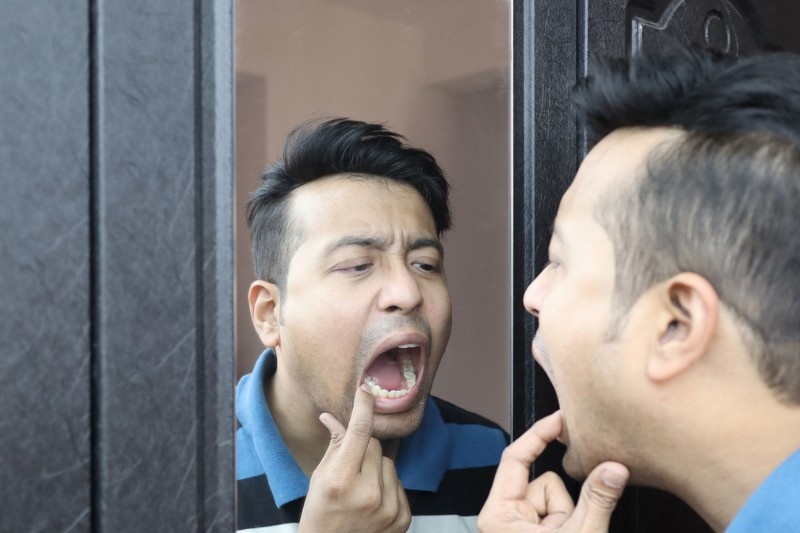
This article from Dr Raymond Platon & Associates explains the causes, warning signs, and treatment options for a loose tooth in adults in Wetherill Park. Learn how early dental assessment can help stabilise affected teeth, protect your oral health, and restore comfort and confidence.
A loose tooth in childhood is a normal part of development. However, when an adult tooth begins to move, it is usually a sign that something has affected the structures that support the tooth. Teeth are anchored in the jawbone by periodontal ligaments and surrounded by healthy gum tissue. When these structures are weakened by infection, trauma, or bone loss, the tooth may begin to feel mobile.
At Dr Raymond Platon & Associates in Wetherill Park, patients from nearby suburbs such as Fairfield West, Bossley Park, Prairiewood, Smithfield, and St Johns Park often seek advice when they notice a tooth moving or feeling unstable. Acting early can make a significant difference because many loose teeth can still be stabilised when treatment begins promptly.
If you notice movement in a tooth, discomfort when biting, or changes in your gums, arranging a professional dental examination is the safest step.
Learn more about Dental Exams in Wetherill Park for a comprehensive assessment of your oral health.
Why Can an Adult Tooth Become Loose?
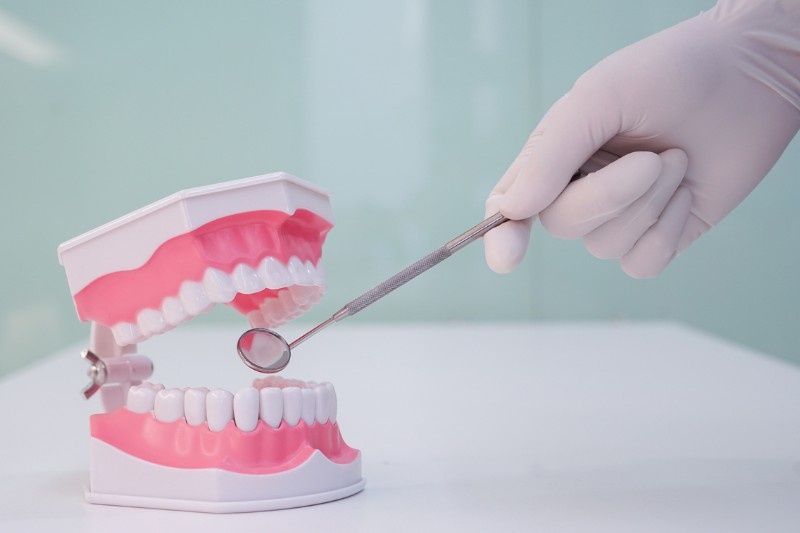
Gum disease can weaken the structures that support teeth and may cause teeth to feel loose.
Adult teeth are designed to remain firmly anchored throughout life. When mobility develops, it usually indicates that the supporting tissues have been affected by an underlying dental condition.
Gum Disease
The most common cause of loose teeth in adults is gum disease. This condition develops when plaque and bacteria accumulate around the gumline and begin to irritate the tissues. In the early stages, the gums may appear swollen or bleed during brushing. As the disease progresses, infection can gradually damage the bone that supports the teeth.
When bone loss occurs, the tooth may begin to move slightly, especially when pressure is applied while chewing.
Learn more about Gum Disease Treatment in Wetherill Park and how early care can help preserve the health of your gums and teeth.
Trauma or Injury
A tooth can also become loose after an injury. This might occur during sports, accidents, or even from biting down on something unexpectedly hard. In some cases the ligament supporting the tooth becomes stretched or inflamed, which can cause the tooth to feel mobile for a period of time.
A dentist will usually examine the tooth carefully and determine whether the supporting structures can recover naturally or whether stabilisation is needed.
Teeth Grinding and Clenching
Grinding or clenching the teeth, known as bruxism, places significant stress on the supporting structures of the teeth. Over time this repeated pressure may contribute to mobility or discomfort when biting.
Protective appliances and bite management can help reduce this pressure and protect the teeth from further strain.
Learn more about TMJ and Bruxism Treatment in Wetherill Park for long term protection of your teeth and jaw.
Infection Around the Tooth
In some situations, infection can spread into the tissues surrounding a tooth. This infection may weaken the supporting bone and cause the tooth to feel unstable or tender.
If infection reaches the inner part of the tooth, treatment may be required to eliminate bacteria and restore the health of the surrounding tissues.
Learn more about Root Canal Treatment in Wetherill Park when infection affects the inner pulp of the tooth.
Symptoms That May Accompany a Loose Tooth
A loose tooth rarely occurs in isolation. Most patients notice additional changes in the surrounding gums or in the way their teeth feel when biting.
For example, the tooth may feel slightly mobile when touched or when chewing certain foods. Some patients notice discomfort when biting down or tenderness around the gumline. In other cases the gums may appear swollen or bleed during brushing. Persistent bad breath or an unpleasant taste can also occur when bacteria accumulate around the affected area.
Because these symptoms often indicate an underlying dental condition, it is best to have the tooth examined rather than waiting for the problem to worsen.
When Should You See a Dentist?
Any movement in an adult tooth should be evaluated by a dental professional. Early diagnosis allows dentists to identify the cause and determine whether the tooth can be stabilised.
You should arrange a dental visit promptly if the tooth feels increasingly mobile, painful when biting, or associated with swelling around the gums or jaw. Sudden looseness following trauma should also be assessed quickly.
If symptoms worsen rapidly or are accompanied by severe pain or swelling, urgent dental care may be necessary.
Learn more about Emergency Dentist in Wetherill Park if you require urgent dental treatment.
Can a Loose Tooth Be Saved?
Many patients assume that a loose tooth must eventually be removed. In reality, this is not always the case. When the underlying cause is treated early, it is often possible to stabilise the tooth and restore the health of the surrounding tissues.
Treatment depends on the diagnosis. For example, gum disease therapy may help control infection and allow the tissues to recover. In some cases dentists stabilise the tooth temporarily by attaching it to neighbouring teeth while the supporting structures heal. If infection is present inside the tooth, root canal therapy may be required.
Protective appliances may also be recommended for patients who grind or clench their teeth.
Learn more about Preventive Dentistry in Wetherill Park to maintain healthy teeth and gums long term.
What Should You Avoid If a Tooth Feels Loose?
When a tooth becomes mobile it is important to minimise additional stress on the area. Many patients instinctively touch or move the tooth to test its stability, but this can worsen irritation of the supporting tissues.
It is also wise to avoid chewing hard foods on that side of the mouth until a dentist has evaluated the tooth. Delaying treatment may allow infection or bone loss to progress further, which can reduce the chances of saving the tooth.
Seeking early professional advice is always the safest approach.
How Dentists Diagnose a Loose Tooth
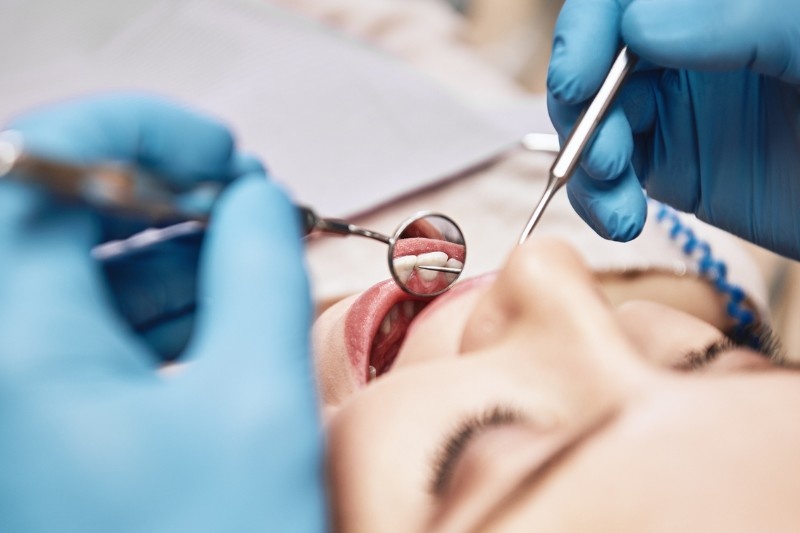
A dental examination helps determine why a tooth feels loose and guides the appropriate treatment.
During your appointment, the dentist will carefully examine the affected tooth and surrounding tissues. This examination helps determine the cause of the mobility and whether other teeth are affected.
Digital X-rays are often used to evaluate bone levels and detect hidden infection. The dentist may also check the bite pattern and assess the health of the gums.
Learn more about Dental X-Rays in Wetherill Park for accurate diagnosis of dental conditions.
Once the cause is identified, a personalised treatment plan can be created to stabilise the tooth and protect your long term oral health.
Preventing Loose Teeth in Adults
Maintaining strong teeth and healthy gums requires consistent oral care and regular professional examinations. Brushing twice daily, flossing carefully between teeth, and attending routine dental check-ups all help prevent infection that can damage the supporting bone.
Professional cleaning appointments also play an important role by removing plaque and bacteria that cannot be eliminated through home care alone.
Learn more about Professional Dental Cleaning in Wetherill Park to maintain healthy teeth and gums.
Frequently Asked Questions
Is it normal for an adult tooth to feel loose?
No. Adult teeth should remain stable throughout life. Mobility often indicates gum disease, trauma, infection, or another dental condition affecting the supporting structures.
Can gum disease cause teeth to loosen?
Yes. Advanced gum disease damages the bone that anchors the teeth. As bone support decreases, the tooth may gradually begin to move.
Can a loose tooth become stable again?
In many cases it can. When the underlying cause is treated early, the supporting tissues may recover and the tooth can stabilise.
Should I try to pull out a loose tooth myself?
No. Removing a tooth without professional evaluation can damage surrounding tissues and increase infection risk. A dentist should always assess the tooth first.
What happens if a loose tooth is left untreated?
If the cause of the looseness is not addressed, the condition may progress. Infection and bone loss can worsen, potentially leading to tooth loss.
Protect Your Smile With Early Dental Care
If you notice that a tooth feels loose, sensitive, or uncomfortable when biting, professional assessment can help protect your oral health.
At Dr Raymond Platon & Associates, our team provides comprehensive examinations and personalised treatment plans for patients in Wetherill Park and surrounding suburbs including Fairfield West, Bossley Park, Prairiewood, Smithfield, and St Johns Park.
📞 Call (02) 9609 2935 to arrange an appointment or discuss your dental concern.
You can also find our clinic location here:
Dr Raymond Platon & Associates on Google Maps
About the Author
Dr Raymond Platon & Associates continues a proud legacy of over 30 years of dental care in Wetherill Park. Dr Raymond Platon took over the practice in 2002 and has since built a trusted reputation for patient focused, high quality dentistry. All information on this page is reviewed regularly to ensure accuracy and compliance with current dental guidelines. Suitability, risks, recovery needs, and alternatives will always be discussed with your dentist. Outcomes vary for each patient.
Published on: 17 March, 2026
Updated on: 17 March, 2026