
What You Should Know
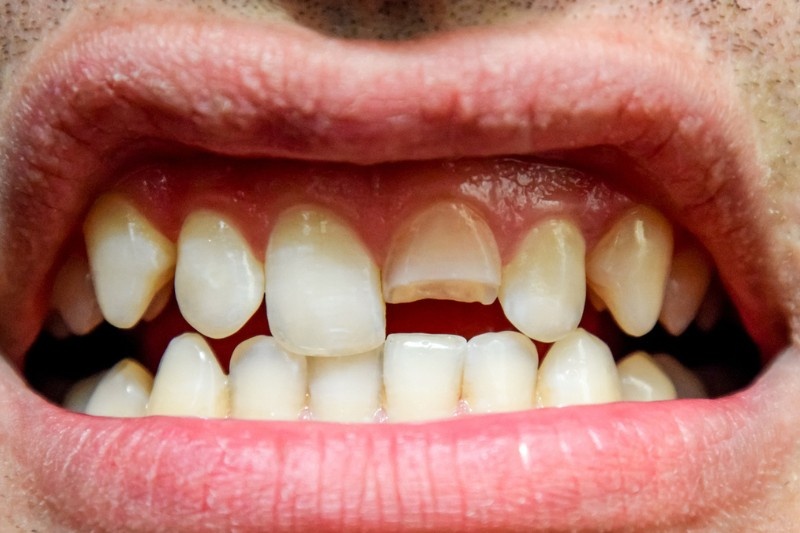
A broken tooth occurs when part of the tooth structure cracks or fractures due to trauma, tooth decay, large fillings, or biting hard foods. When a broken tooth in Wetherill Park occurs, early assessment by a dentist in Wetherill Park is important because untreated fractures may allow bacteria to enter the tooth and cause infection or severe pain. Dentists may repair a broken tooth using treatments such as bonding, dental crowns, or root canal therapy depending on the severity of the damage.
Introduction
This article from Dr Raymond Platon & Associates explains the causes, symptoms, and treatment options for a broken tooth in Wetherill Park. Understanding what to do immediately can help reduce discomfort and protect the tooth from further damage.
A broken tooth may occur suddenly while eating or biting something hard. In other situations the tooth weakens gradually due to decay, large fillings, or teeth grinding. Even a small chip should not be ignored because cracks can allow bacteria to reach the inner pulp of the tooth.
What Is a Broken Tooth?
A broken tooth occurs when the enamel or dentine fractures and part of the tooth structure becomes damaged. This may happen suddenly while chewing hard food or gradually as the tooth weakens over time.
Even small fractures can expose the inner layers of the tooth to bacteria. If left untreated, this may lead to infection, pain, or further damage. When a broken tooth in Wetherill Park occurs, early dental care can help stabilise the tooth and prevent complications.
Is a Broken Tooth a Dental Emergency?
Some broken teeth require urgent dental care, particularly if pain, swelling, or nerve exposure occurs. When the fracture exposes deeper layers of the tooth, bacteria may quickly enter the pulp and cause infection.
A dentist can examine the damaged tooth, take radiographs if necessary, and recommend treatment to restore strength and function. Patients from Wetherill Park and nearby suburbs often seek prompt care when a tooth suddenly cracks or breaks.
If you are experiencing pain, swelling, or a sudden fracture, it is important to seek prompt care. Learn more about Emergency Dentist in Wetherill Park for urgent assessment and treatment.
Common Causes of a Broken Tooth

Biting hard foods can sometimes lead to a cracked or broken tooth.
Teeth can break for several reasons. In many cases the tooth has already weakened before the fracture becomes noticeable.
Large fillings may reduce the strength of a tooth over time. When the remaining tooth structure becomes thin, normal chewing pressure may cause the tooth to crack. Learn more about Dental Fillings in Wetherill Park.
to restore early damage.
Untreated tooth decay is another common cause. Cavities weaken enamel and dentine, which makes the tooth more vulnerable to fractures.
Grinding or clenching teeth places repeated stress on the enamel. Over time this pressure may create cracks in the tooth structure.
Trauma from accidents or sports injuries may also cause fractures. Even biting unexpectedly hard food can break a weakened tooth.
Signs You May Have a Broken Tooth
Some fractures are clearly visible, while others cause subtle symptoms that appear gradually. Patients often notice discomfort when biting or chewing, especially when pressure is applied to the damaged tooth.
Sensitivity to hot, cold, or sweet foods may also occur because the protective enamel layer has been damaged. In some cases the edge of the tooth may feel rough or jagged when touched with the tongue.
Possible symptoms include:
• sharp pain when biting
• sensitivity to temperature changes
• rough or jagged edges on the tooth
• swelling near the gum
• discomfort that comes and goes when chewing
Even mild symptoms should be assessed because fractures can worsen over time.
What To Do Immediately After Breaking a Tooth
If a tooth breaks, taking a few simple steps can help protect the area until you see a dentist. Rinsing your mouth gently with warm salt water helps keep the area clean and may reduce irritation.
Avoid chewing on the damaged side of your mouth because additional pressure may worsen the fracture. If a sharp edge irritates your tongue or cheek, dental wax or sugar free chewing gum can temporarily cover the area.
Applying a cold compress to the outside of the face may help reduce swelling or discomfort. Most importantly, contact your dentist promptly so the tooth can be examined and treated.
Treatment Options for a Broken Tooth in Wetherill Park
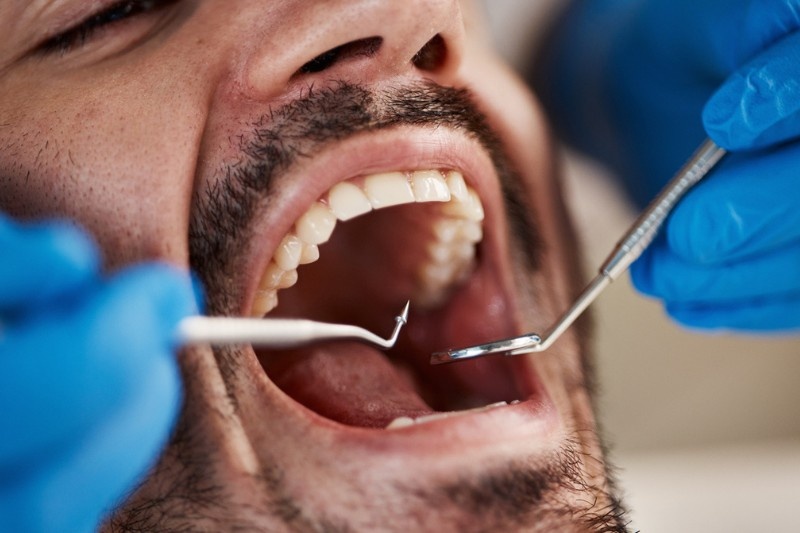
Dentists examine broken teeth to determine the most appropriate treatment.
Treatment depends on the size and location of the fracture. Small chips may sometimes be repaired with dental bonding, which restores the shape of the tooth.
When a tooth has lost significant structure, a crown is often recommended to restore strength and function. A crown covers the entire tooth and protects it from further damage.
In many cases, a broken tooth can be restored and protected with a Dental Crowns in Wetherill Park to restore strength and function.
If infection reaches the nerve of the tooth, root canal treatment may be required before placing a crown. This procedure removes the infected pulp and seals the tooth to prevent further infection.
Learn more about Root Canal Treatment in Wetherill Park if infection affects the inner tooth.
If the tooth cannot be preserved, replacement options may be discussed to restore chewing function.
Learn more about Dental Bridges in Wetherill Park for replacing missing teeth.
Can a Broken Tooth Heal on Its Own?
Teeth cannot regenerate once enamel or dentine fractures. Unlike bone tissue, the structure of a tooth does not repair itself naturally.
However early treatment can stabilise the tooth and prevent additional complications. Ignoring a broken tooth may lead to infection, severe pain, or further fractures.
For this reason dentists recommend prompt assessment whenever a tooth breaks.
Preventing Broken Teeth
Although fractures cannot always be prevented, certain habits can reduce the risk. Regular dental examinations allow dentists to detect weakened teeth before they break.
Treating decay and worn fillings early helps maintain strong tooth structure. Patients who grind their teeth may benefit from a custom night guard to protect the enamel.
Avoiding hard foods such as ice or hard sweets can also help protect teeth from unexpected fractures.
Learn more about Preventive Dentistry in Wetherill Park to maintain healthy teeth and gums.
Frequently Asked Questions
What should I do if I break a tooth while eating?
Rinse your mouth with warm water and avoid chewing on the damaged tooth. Applying a cold compress may reduce swelling. Contact a dentist as soon as possible so the tooth can be examined.
Is a broken tooth always painful?
Not always. Some fractures cause minimal discomfort. However the tooth may still be vulnerable to infection or further damage, so a dental examination is recommended.
Can a broken tooth be repaired?
Yes. Many broken teeth can be repaired using bonding, fillings, crowns, or other restorative treatments depending on the severity of the fracture.
How urgent is a broken tooth?
Some fractures require urgent care, especially when pain, swelling, or nerve exposure occurs. Early treatment helps prevent infection and additional damage.
Can a broken tooth cause infection?
Yes. If bacteria enter the inner pulp of the tooth, infection may develop. Prompt dental care helps prevent complications and protects the natural tooth.
If You Have a Broken Tooth in Wetherill Park
A broken tooth should never be ignored because early treatment can prevent further complications. If the tooth is painful, sharp, or worsening, do not wait for it to become more serious. Our Emergency Dentist in Wetherill Park can assess the damage and recommend the most appropriate treatment to restore your tooth.
Dr Raymond Platon & Associates
70 Lily St, Wetherill Park NSW 2164
Get Directions to Dr Raymond Platon & Associates
About the Author
Dr Raymond Platon & Associates continues a proud legacy of over 30 years of dental care in Wetherill Park. Dr Raymond Platon took over the practice in 2002 and has since built a trusted reputation for patient focused, high quality dentistry. All information on this page is reviewed regularly to ensure accuracy and compliance with current dental guidelines. Suitability, risks, recovery needs, and alternatives will always be discussed with your dentist. Outcomes vary for each patient.
Published on: 24 March, 2026
Updated on: 20 April, 2026