
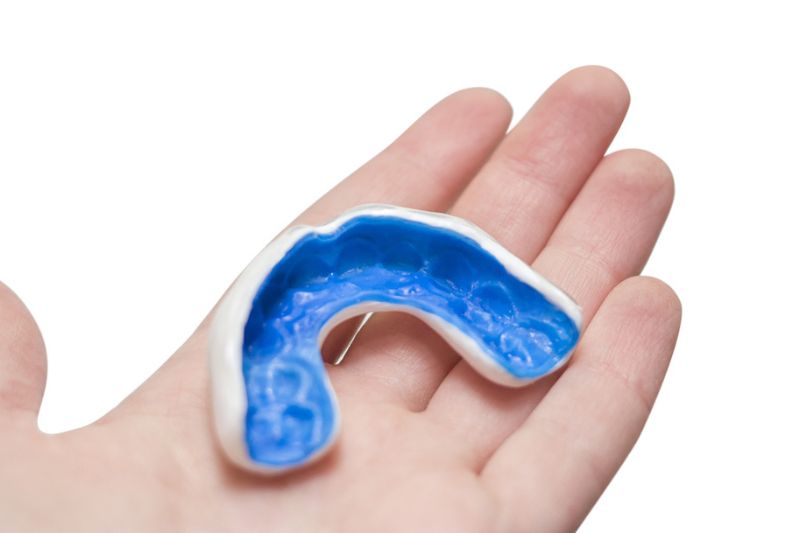
Sports mouthguards with braces may help protect teeth, gums, and orthodontic appliances during school and contact sports in Wetherill Park. This article explains how custom sports mouthguards are used during orthodontic treatment and why comfort, fit, and protection matter for children, teens, and adults involved in sport.
Playing sport with braces often raises practical questions for parents and patients. Many people worry about injuries to the teeth, lips, cheeks, or orthodontic appliances during training and games. In Wetherill Park, Fairfield West, and Prairiewood, custom sports mouthguards are commonly discussed for children and adults involved in school sports and contact activities.
A properly fitted sports mouthguard may help reduce the risk of dental injuries during sport. However, patients with braces usually require a more carefully designed mouthguard compared with someone without orthodontic treatment.
At Dr Raymond Platon & Associates, personalised assessments help determine the most suitable option depending on the patient’s braces, age, sport, and dental needs.
Our custom sports mouthguards in Wetherill Park are individually fitted after considering the patient’s teeth, orthodontic appliances, age, sporting activities and changing dental needs.
Why are sports mouthguards important for patients with braces?
Braces create additional areas inside the mouth that may be injured during contact sport. A collision or accidental impact can affect not only the teeth, but also the brackets, wires, lips, and surrounding soft tissues.
Patients with braces may be more vulnerable to cuts and oral injuries during sport without adequate protection.
Even sports that seem lower risk can involve accidental falls or unexpected contact. Therefore, many dentists recommend discussing sports protection early during orthodontic treatment.
This is especially important for children and teenagers involved in school sports or regular training sessions. A mouthguard that fits comfortably is often more likely to be worn consistently.
Can you wear a sports mouthguard with braces?
In many cases, yes. However, patients with braces often require a specially fitted custom sports mouthguard designed to accommodate orthodontic treatment.
Store bought mouthguards may feel bulky or unstable over braces. In some situations, they may also provide inconsistent comfort or fit.
A custom sports mouthguard is designed around the patient’s current teeth and orthodontic appliances.
This may help improve comfort, stability, breathing, and speech during sport. Because braces move teeth gradually over time, mouthguards may occasionally need review or replacement throughout orthodontic treatment.
Patients involved in regular sport should discuss this during orthodontic appointments.
For patients considering braces or aligner treatment, our Orthodontic Treatment in Wetherill Park page explains more about orthodontic care for children, teens, and adults.
Are custom sports mouthguards better than store bought mouthguards?
Many parents and patients ask this question when children begin playing school or weekend sport.
Store bought mouthguards are widely available and may suit temporary or occasional use. However, custom mouthguards are individually fitted to the patient’s mouth and dental structure.
Custom fitted mouthguards are generally designed to provide a more personalised and secure fit.
For patients with braces, this often becomes more important because orthodontic appliances create additional complexity inside the mouth. A mouthguard that constantly shifts or feels uncomfortable is less likely to be worn consistently during training or games.
Comfort plays a significant role in long term protection. Patients are more likely to continue using a mouthguard that feels stable and natural while speaking or breathing.
Why does fit matter so much with braces?
Braces continuously change tooth position during orthodontic treatment. As a result, poorly fitted appliances may become uncomfortable over time.
A professionally made mouthguard takes the patient’s current teeth and orthodontic appliances into account during fabrication. Sports mouthguard with braces should be reviewed regularly during orthodontic treatment because tooth movement may gradually affect fit and comfort over time.
A well fitting mouthguard should feel secure without placing unnecessary pressure on braces or gums.
For children and teenagers especially, comfort often determines whether they actually wear the mouthguard during sport. This is one reason dentists commonly recommend reviewing sports mouthguards regularly throughout orthodontic treatment.
Can sports injuries damage braces?
Yes, sports injuries may affect braces as well as teeth and gums.
An impact to the mouth may damage brackets or wires, irritate soft tissues, or contribute to dental trauma.Sports mouthguards with braces may help cushion the lips, cheeks, teeth, and orthodontic appliances during accidental impact.
While no mouthguard can completely eliminate injury risk, protective appliances may help reduce the severity of some injuries during sport.
Preventive protection is often simpler and less stressful than managing dental trauma after an injury occurs.
Modern dentistry increasingly focuses on prevention and long term oral health rather than simply treating problems after they occur.
Patients interested in protecting their teeth long term may also find our Preventative Dentistry in Wetherill Park page helpful.
What about children playing sport at school?
This is one of the most common concerns for parents.
Children involved in school sports may not always recognise when a mouthguard fits poorly or becomes damaged. As children grow, their teeth and jaw structure change, and orthodontic treatment may also affect mouthguard fit over time.
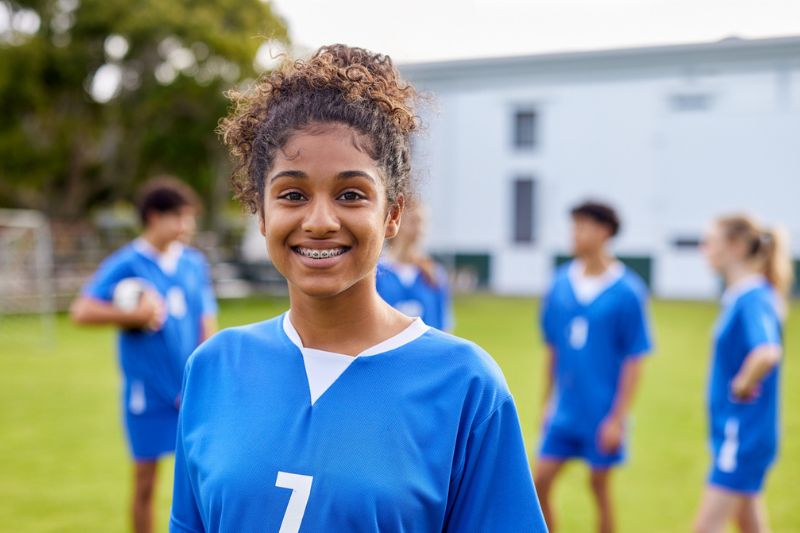
Teenagers involved in school sports may benefit from custom sports mouthguards designed to support comfort and protection during orthodontic treatment.
Children’s sports mouthguards should be reviewed regularly, particularly during periods of dental growth or orthodontic treatment.
Parents are often surprised by how quickly children outgrow older mouthguards. School sport seasons are a useful reminder to check fit, comfort, and wear.
Families looking for ongoing dental care for growing children may also wish to explore our Kids Dentistry in Wetherill Park page.
How should sports mouthguards be cleaned?
Good hygiene matters because mouthguards are regularly exposed to saliva, bacteria, and sporting environments.
Most dentists recommend rinsing the mouthguard after use, cleaning it gently, allowing it to dry properly, and storing it in a ventilated case.
A damaged or distorted mouthguard may no longer fit correctly and should be reviewed professionally.
This is especially important for patients wearing braces because fit can gradually change throughout orthodontic treatment.
When should you replace a sports mouthguard?
Replacement depends on growth, orthodontic movement, wear, and overall condition.
Children and teenagers may require more frequent reviews during active growth phases. Patients with braces may also notice fit changes as teeth move throughout treatment.
If a mouthguard feels loose, uncomfortable, cracked, or difficult to wear, it should be professionally assessed.
Why this topic matters for long term oral health
Many dental injuries during sport happen unexpectedly. Parents often focus on helmets, pads, or physical safety equipment, yet mouth protection can sometimes be overlooked.
Protecting teeth early may help reduce the risk of more complex dental treatment later.
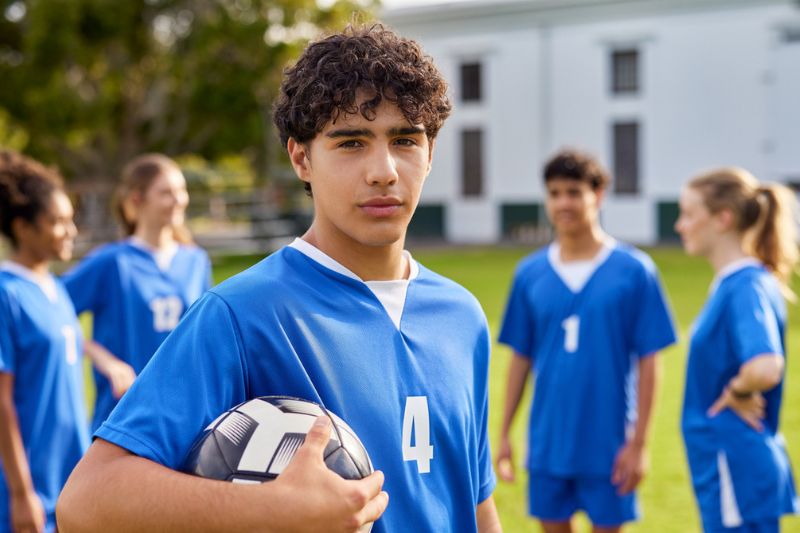
Teenagers involved in school and recreational sports may benefit from custom sports mouthguards designed to support comfort and protection.
This is especially relevant for patients already undergoing orthodontic treatment. A damaged bracket, broken wire, or dental injury may interrupt treatment progress and create additional stress for families.
You may also be interested in reading our blog Braces in Wetherill Park: Cost, Options and What to Expect if you are considering orthodontic treatment for yourself or your child.
Frequently Asked Questions
Can children wear sports mouthguards with braces?
In many cases, yes. Children with braces often require custom fitted mouthguards designed to accommodate orthodontic treatment and changing tooth positions during growth.
Are custom sports mouthguards more comfortable?
Many patients find custom mouthguards more comfortable because they are individually fitted to the patient’s mouth and dental structure.
How often should a sports mouthguard be replaced?
This depends on growth, orthodontic changes, wear, and damage. Children and teenagers may require more frequent reviews during active growth phases.
Can a sports mouthguard completely prevent dental injuries?
No mouthguard can completely eliminate injury risk. However, protective mouthguards may help reduce the severity of some dental injuries during sport.
Do sports mouthguards work for adults too?
Yes. Adults involved in contact or recreational sports may also benefit from custom sports mouthguards, particularly during orthodontic treatment.
If you would like personalised advice about sports mouthguards and braces, contact Dr Raymond Platon & Associates in Wetherill Park to discuss suitable options for your dental and sporting needs. 📞 (02) 9609 2935
You can also find our clinic on Google Maps.
About the Author
Dr Raymond Platon & Associates continues a proud legacy of over 30 years of dental care in Wetherill Park. Dr Raymond Platon took over the practice in 2002 and has since built a trusted reputation for patient focused, high quality dentistry. All information on this page is reviewed regularly to ensure accuracy and compliance with current dental guidelines. Suitability, risks, recovery needs, and alternatives will always be discussed with your dentist. Outcomes vary for each patient.
Published on: 7 July, 2026
Updated on: 7 July, 2026