
Composite Bonding in Wetherill Park
Dr Raymond Platon & Associates provides composite bonding in Wetherill Park to repair chips, cracks and small gaps using natural-looking, tooth-coloured resin. Composite bonding may improve the appearance of chipped, cracked or uneven teeth while supporting tooth function where appropriate. Treatment is tailored to each patient’s oral health, treatment goals and clinical assessment. The composite resin is colour matched to your natural teeth to support a natural-looking appearance while preserving as much healthy tooth structure as possible with minimal enamel removal.
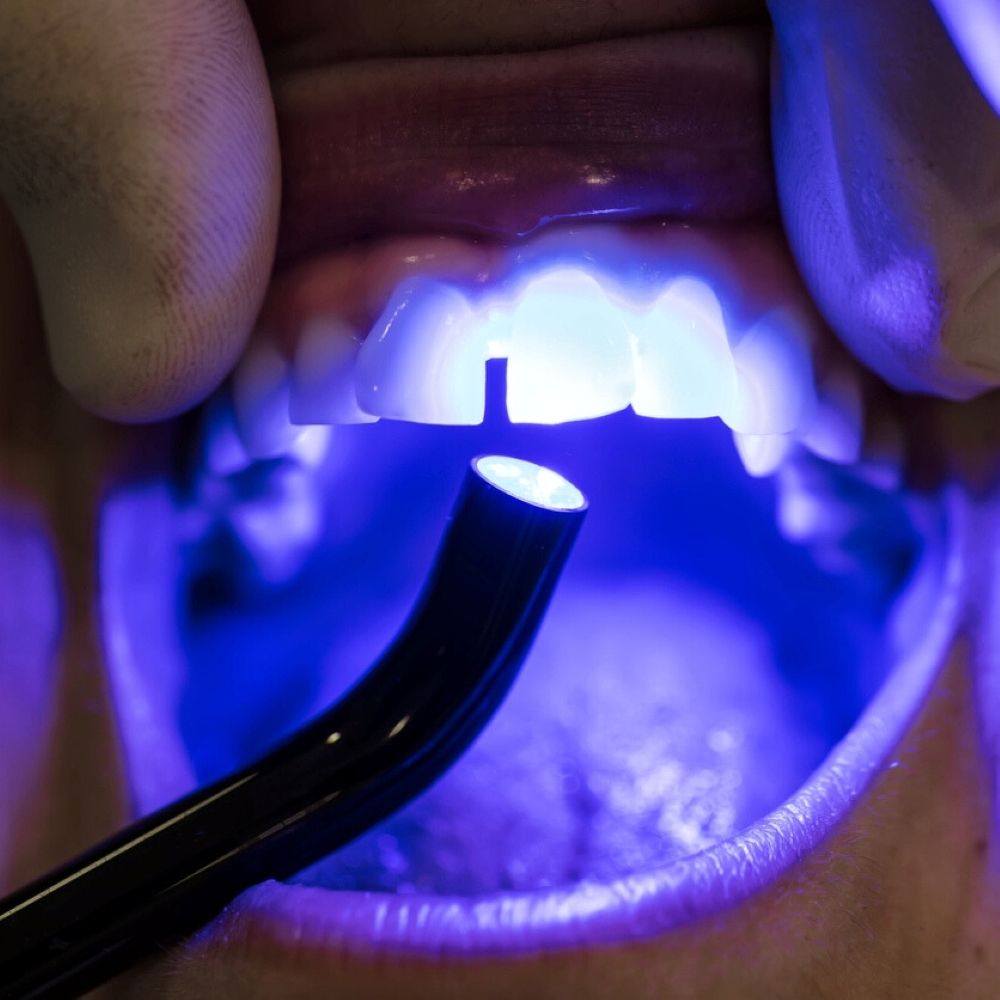
Repair Chips, Cracks, and Gaps with Composite Resin
At Dr Raymond Platon & Associates, your dentist in Western Sydney, we provide composite bonding in Wetherill Park to restore chipped, cracked, or uneven teeth. This tooth-coloured material blends naturally with your smile. Therefore, it provides a minimally invasive treatment option that may help restore the appearance of chipped or uneven teeth while supporting tooth function where appropriate. Each treatment is carefully tailored to match your tooth shade to support a natural-looking appearance.
Families from Canley Heights, Fairfield West, and Bonnyrigg Heights visit our Wetherill Park dental clinic for cosmetic bonding.
What Is Composite Bonding?
Composite bonding is a cosmetic dental treatment that uses tooth-coloured composite resin to improve the shape, appearance, or surface of a tooth. It may be used to repair small chips, minor cracks, small gaps, uneven edges, worn areas, or mild discolouration, depending on the condition of the tooth and the patient’s individual needs.
Composite bonding is generally a conservative treatment because little or no removal of healthy enamel may be required in suitable cases. The resin is carefully matched to the surrounding teeth, applied directly to the tooth, shaped, and polished to create a natural-looking result. Treatment can often be completed in a single appointment, although this depends on the number of teeth being treated and the complexity of the case.
Bonding may be suitable when the underlying tooth is healthy and the cosmetic concern is relatively minor. It is not appropriate for every tooth, particularly where there is extensive damage, significant bite pressure, or other dental concerns. Your dentist will assess the tooth, bite, gums, and surrounding teeth before recommending treatment and will explain the expected benefits, limitations, maintenance needs, and alternatives.
For patients considering other cosmetic options, learn more about Porcelain and Composite Veneers in Wetherill Park.
How Is Composite Bonding Done in Wetherill Park?
At Dr Raymond Platon & Associates, composite bonding begins with an assessment of the tooth, bite, and surrounding dental health to determine whether bonding is suitable. The tooth surface is cleaned and prepared, and a bonding agent is applied. A shade-matched composite resin is then carefully added and shaped to improve the tooth’s form, contour, or appearance.
The composite material is hardened using a dental curing light before being refined and polished to create a smooth, natural-looking finish. Your dentist will also check the shape and bite to ensure the restoration is comfortable and functions appropriately. Composite bonding can often be completed in a single appointment, depending on the number of teeth and complexity of treatment.
Some patients may also consider teeth whitening before composite bonding, as composite resin does not whiten in the same way as natural tooth enamel. If both treatments are being considered, your dentist can discuss the appropriate sequence based on your tooth colour, oral health, treatment goals, and clinical findings. Suitability, limitations, expected outcomes, and alternatives will be explained before treatment begins.
Home Care After Composite Bonding
Good home care can help maintain the appearance, surface quality, and function of composite bonding. Brush twice daily with a soft-bristled toothbrush and a non-abrasive toothpaste, and clean between the teeth each day. Avoid biting hard objects such as ice, pens, or fingernails, as excessive force may chip or damage the composite material.
Composite resin can also develop surface staining over time, particularly with frequent exposure to drinks such as coffee, tea, and red wine. Rinsing with water after strongly coloured, acidic, or sugary foods and drinks can help reduce prolonged contact with the teeth and restorations.
Regular dental examinations and professional cleans allow your dentist to check the condition of the bonding, bite, margins, and surrounding teeth and gums. If the bonding becomes rough, chipped, stained, or uncomfortable, it can be assessed to determine whether polishing, repair, or replacement is appropriate. Following your dentist’s individual care advice can help support the longevity of your composite bonding.
Why Choose Our Wetherill Park Dental Clinic?
Patients choose Dr Raymond Platon & Associates for personalised cosmetic and restorative dental care supported by over 30 years of experience in Wetherill Park. Composite bonding is carefully planned according to the condition of each tooth, the patient’s bite, oral health, and individual treatment goals.
Where clinically appropriate, composite bonding can provide a conservative option for improving small chips, minor gaps, uneven edges, or other cosmetic concerns while preserving healthy tooth structure where possible. Composite resin is selected and shaped to blend naturally with the surrounding teeth, with treatment focused on function, appearance, and long term oral health.
Patients from Prairiewood, Greystanes, St Johns Park, and surrounding Western Sydney suburbs visit our Wetherill Park dental clinic for personalised cosmetic dentistry and clear information about their treatment options. Suitability, limitations, expected outcomes, and alternatives are discussed before treatment begins.
Call Dr Raymond Platon & Associates on (02) 9609 2935 to book a composite bonding consultation in Wetherill Park and discuss whether treatment may be suitable for your teeth and smile goals.
Frequently Asked Questions About Composite Bonding in Wetherill Park
How long does composite bonding last?
The longevity of composite bonding varies between patients. With good oral hygiene and appropriate care, composite bonding may last for several years, although this depends on factors such as the size and location of the bonding, your bite, oral hygiene, lifestyle habits and regular dental care. Habits such as nail biting, chewing hard objects or teeth grinding may reduce its longevity. During your regular dental check-ups, your dentist will monitor the condition of your bonding and advise if maintenance or replacement is appropriate.
Does bonding stain over time?
Yes. Composite resin may gradually stain over time, particularly with frequent exposure to coffee, tea, red wine, tobacco or other staining substances. Good oral hygiene, regular professional dental cleans and routine dental check-ups may help reduce staining and maintain the appearance of your composite bonding. During your regular reviews, your dentist can assess the condition of the bonding and discuss whether polishing, maintenance or replacement is appropriate.
Is composite bonding painful?
Composite bonding is generally well tolerated and, in many cases, does not require local anaesthetic. Because the procedure is minimally invasive, many patients experience little or no discomfort during treatment. Your dentist will explain what you may reasonably expect and discuss any concerns before treatment begins.
Can bonding fix large chips or big gaps?
Not always. Composite bonding is generally most suitable for repairing small to moderate chips, cracks or gaps. Larger gaps or more complex cosmetic concerns may be more appropriately managed with other treatment options, such as orthodontic treatment, veneers or crowns, depending on your oral health, treatment goals and clinical assessment. During your consultation, your dentist will explain the suitable treatment options, together with the potential benefits, limitations and expected outcomes of each approach.
Is composite bonding reversible?
Sometimes. Composite bonding often requires little or no tooth preparation, depending on the individual case, which means it may be a more conservative treatment option than some other cosmetic procedures. However, suitability depends on your oral health, treatment goals and clinical assessment. During your consultation, your dentist will explain the potential benefits, limitations, expected outcomes and available alternatives to help you make an informed decision.
Personalised Dental Care in Wetherill Park
Suitability, potential risks, benefits, limitations, treatment alternatives and expected outcomes will always be discussed before treatment proceeds. Composite bonding is not suitable for every patient, and recommendations are based on an individual clinical assessment, oral health, enamel condition and treatment goals. This information is general in nature and does not replace personalised professional advice.
Registered Dental Practitioners
Dr Raymond Platon
Registered Dentist (General Registration)
Ahpra Registration: DEN0001321891
Dr Loreen Akram
Registered Dentist (General Registration)
Ahpra Registration: DEN0001155597
Dr Ninos Chamo
Registered Dentist (General Registration)
Ahpra Registration: DEN0002607262
Caroline Nguyen
Registered Oral Health Therapist (General Registration)
Ahpra Registration: DEN0001948671
Book Your Composite Bonding Consultation in Wetherill Park
If you are considering composite bonding in Wetherill Park, a dental consultation can help determine whether treatment is appropriate for your teeth, bite, oral health, and cosmetic goals.
Call Dr Raymond Platon & Associates on (02) 9609 2935 to book your personalised composite bonding consultation at our clinic at 70 Lily St, Wetherill Park NSW 2164.
With appropriate home care and regular dental reviews, composite bonding may continue to perform well over time. Longevity varies depending on the teeth being treated, bite forces, oral hygiene, lifestyle habits, and individual clinical circumstances.
Related Services
- Teeth Whitening in Wetherill Park for professional whitening following an individual dental assessment
- Porcelain and Composite Veneers in Wetherill Park for patients considering alternative cosmetic treatment options
- Dental Crowns in Wetherill Park for teeth that require more extensive restorative treatment
- Smile Design in Wetherill Park for personalised cosmetic treatment planning based on your teeth, oral health, and smile goals
- Cosmetic Dentistry in Wetherill Park to explore suitable options for improving tooth shape, colour, alignment, or overall smile appearance
Learn more about dental filling and composite materials at Healthdirect Australia, then contact our Wetherill Park dental team if you would like to discuss whether composite bonding may be suitable for you.
Latest News, Tips & Articles
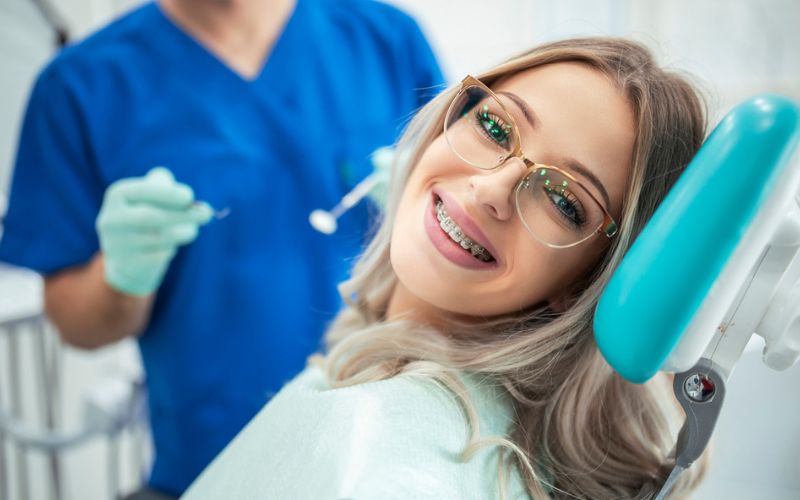
How Long Do Braces Take? What Affects Orthodontic Treatment Time?
If you are considering braces, one of your first questions may be: how long do braces take? For many patients, braces treatment takes around 12 to 24 months, although treatment can be shorter or longer depending on the position of the teeth, the bite, the complexity...
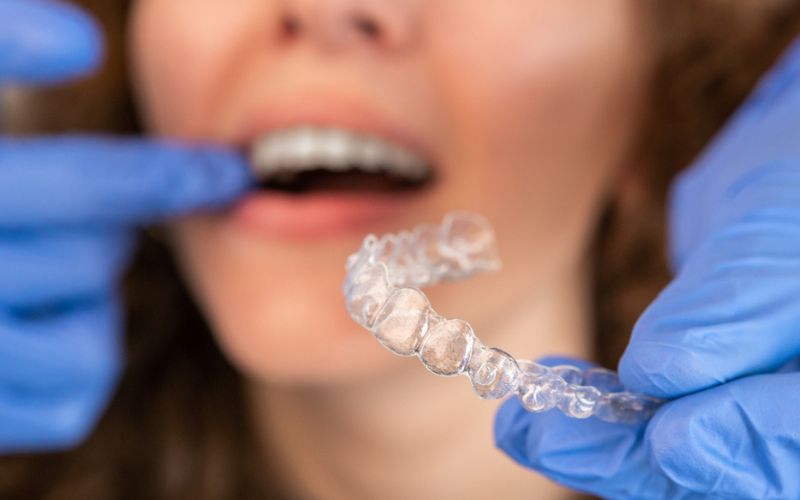
Why Do Teeth Move After Braces, Even Years Later?
Teeth move after braces because the bone and tissues around them continue to adapt, while normal ageing, oral habits and inconsistent retainer wear may gradually affect alignment. Retainers help maintain tooth position, although regular dental reviews remain important...
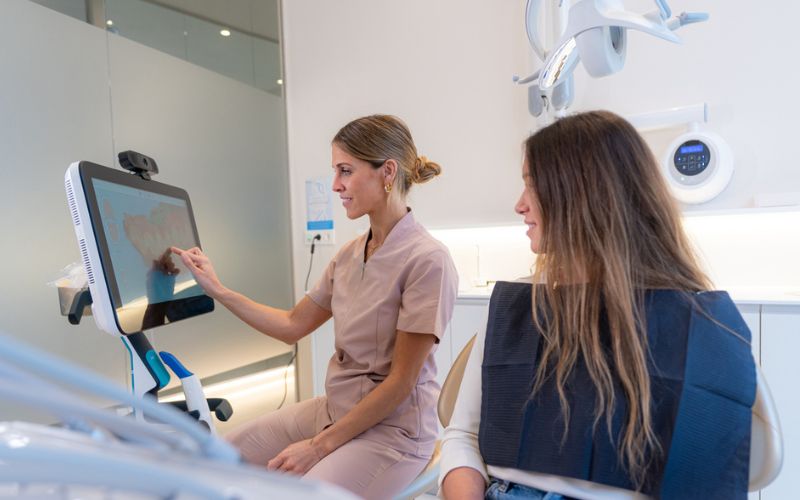
Dental Crowns vs Veneers in Wetherill Park: Understanding the Difference
Crowns vs veneers are different dental restorations that may improve the appearance of a tooth, although they are recommended for different clinical reasons. A veneer covers mainly the front surface and may suit certain cosmetic concerns, while a crown surrounds most...
Why Doesn’t Professional Teeth Whitening Work for Everyone in Wetherill Park?
Professional teeth whitening in Wetherill Park can help brighten many smiles, but the final result varies from person to person. Factors such as the type of tooth staining, enamel condition, previous dental restorations and overall oral health all influence how well...