
Root Canal Therapy in Wetherill Park
Dr Raymond Platon & Associates provides personalised root canal treatment in Wetherill Park for teeth affected by infection, inflammation, or significant damage to the dental pulp. Treatment may help relieve symptoms, manage infection, and preserve the natural tooth where clinically appropriate. Root canal costs vary depending on the tooth involved, the complexity of the root canal system, the extent of infection, and whether a filling or dental crown is required afterwards. Following an examination and any clinically appropriate X-rays, our dentist can explain the recommended treatment and provide the expected fees before treatment begins.
Root canal treatment involves removing infected or inflamed tissue from inside the tooth, cleaning and disinfecting the root canal system, and sealing the canals before the tooth is restored. Treatment is planned according to your symptoms, tooth condition, remaining tooth structure, and long-term restorative needs. Suitability, treatment stages, expected outcomes, limitations, and costs depend on individual clinical findings.
How Can Root Canal Therapy Save an Infected Tooth?
Root canal treatment can help preserve a tooth when the dental pulp inside becomes infected or inflamed. Treatment involves removing the affected tissue, cleaning and disinfecting the root canal system, and sealing the canals to reduce the risk of further infection.
In suitable cases, root canal therapy may help relieve pain, manage infection, and retain the natural tooth rather than removing it. After treatment, the tooth is restored with a filling or, where additional protection is required, a dental crown to help restore strength and function.
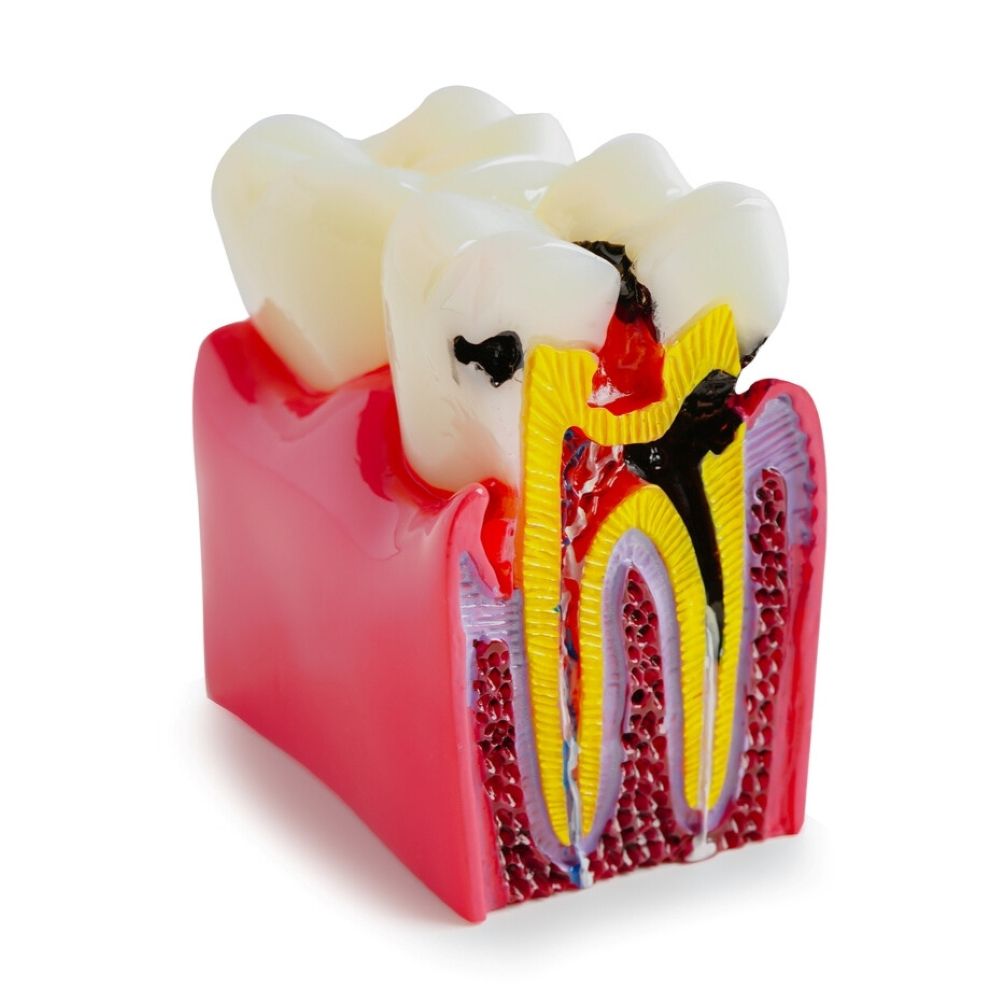
Save Your Natural Tooth and Relieve Pain
At Dr Raymond Platon & Associates, we provide root canal treatment in Wetherill Park for teeth affected by infection, inflammation, or significant damage to the dental pulp. The procedure involves removing the affected tissue from inside the tooth, cleaning and disinfecting the root canal system, and sealing the canals to help reduce the risk of further infection. Where clinically appropriate, root canal treatment may help relieve symptoms and preserve the natural tooth rather than removing it.
After treatment, the tooth may require a filling or dental crown to restore strength and function, depending on the amount of remaining tooth structure and the location of the tooth. Patients from Fairfield West, Edensor Park, and Bonnyrigg Heights visit our Wetherill Park dental clinic for personalised root canal treatment and ongoing restorative care.
What Is Root Canal Therapy?
Root canal therapy is used to treat a tooth when the dental pulp inside becomes infected or inflamed. The procedure involves removing the affected tissue, cleaning and disinfecting the root canal system, and sealing the canals before the tooth is restored.
Root canal treatment may be recommended when:
- Deep decay reaches the dental pulp
- A tooth develops a significant crack or fracture. Learn more about Cracked Tooth in Wetherill Park
- Persistent toothache, prolonged sensitivity, or pain when biting develops
- Swelling, an abscess, or other signs of dental infection are present
If an infected or inflamed pulp is left untreated, the condition may worsen and the tooth may eventually become unsuitable for preservation. Where clinically appropriate, root canal treatment can help manage infection, relieve symptoms, and retain the natural tooth rather than removing it.
How Does Root Canal Therapy Work?
Root canal therapy works by removing infected or inflamed tissue from inside the tooth, cleaning and disinfecting the root canals, and sealing them to reduce the risk of further infection. Dental infections may develop gradually, so symptoms are not always severe at first. Learn more about Tooth Infection Symptoms in Wetherill Park.
After the root canal is completed, the tooth is restored with a filling or, where additional structural support is required, a dental crown. The type of final restoration depends on the location of the tooth, remaining tooth structure, bite, and overall clinical condition.
Benefits of Root Canal Therapy
- Helps preserve the natural tooth when it can be successfully restored
- Helps manage infection within the tooth and surrounding tissues
- Restores chewing function once the tooth has been appropriately restored
- Supports long-term tooth retention when combined with suitable restorative care
Root canal therapy can allow an infected or inflamed tooth to remain in the mouth rather than being extracted, where preservation is clinically appropriate. Retaining the natural tooth can help maintain normal chewing function and reduce the need for replacement options such as a dental bridge or partial denture.
After treatment, protecting the remaining tooth structure is important. Depending on the tooth and the amount of structure remaining, a filling or dental crown may be recommended to restore strength and support everyday function.
Regular dental reviews and good oral hygiene remain important after root canal treatment to monitor the restored tooth and surrounding gums over time.
Why Is Root Canal Therapy Important for Long-Term Oral Health?
Root canal therapy can help manage infection or inflammation inside a tooth while allowing the natural tooth to be retained where clinically appropriate. Without treatment, the condition may worsen and the tooth may eventually require extraction. Treating the problem and restoring the tooth appropriately can support long-term dental function and oral health.
The Root Canal Procedure
Root canal treatment follows a structured process designed to remove infected or inflamed tissue from inside the tooth, clean the root canal system, and restore the tooth where clinically appropriate:
- Examination and diagnosis using a clinical assessment and dental X-rays when required
- Local anaesthetic and access to allow the dentist to reach the affected tissue inside the tooth
- Cleaning and shaping of the root canals to remove infected or inflamed tissue and prepare the canals for sealing
- Filling and sealing of the cleaned root canal system to reduce the risk of reinfection
- Final restoration with a filling or dental crown when additional structural protection is required
Root canal treatment may help relieve symptoms, manage infection, and preserve the natural tooth where it can be successfully restored. If tooth pain becomes worse at night, read Why Tooth Pain Gets Worse at Night in Wetherill Park to learn more about possible causes and when assessment may be needed.
After root canal treatment, the tooth may require further restorative care depending on its location and the amount of healthy tooth structure remaining. Learn more about Dental Crowns in Wetherill Park and Restorative Dentistry in Wetherill Park for information about protecting and rebuilding treated teeth.
Why Patients Choose Our Wetherill Park Dental Clinic
Patients choose Dr Raymond Platon & Associates for root canal treatment because we combine long-term local experience with careful assessment, clear communication, and personalised restorative care.
- More than 30 years of local dental experience
- Gentle, precise care with a focus on patient comfort
- Digital X-rays used when clinically appropriate for diagnosis and treatment planning
- Personalised treatment based on the condition of the tooth, symptoms, and restorative needs
- Care for patients from Prairiewood, Bossley Park, St Johns Park, and surrounding suburbs
Our team takes the time to explain each stage of treatment, including what the procedure involves, whether a crown may be required afterwards, expected costs, limitations, and follow-up care. This helps patients understand the treatment plan before deciding whether to proceed.
Where possible, treatment is planned to preserve the natural tooth and restore function while addressing the underlying infection or inflammation. Ongoing dental reviews may also be recommended to monitor the treated tooth and surrounding tissues over time.
Call us on (02) 9609 2935 to book your root canal consultation at our Wetherill Park dental clinic.
Frequently Asked Questions About Root Canal Therapy in Wetherill Park
Patients considering root canal treatment often have questions about tooth pain, treatment comfort, recovery, dental crowns, treatment stages, and long-term tooth preservation. Below are answers to some of the most common questions about root canal therapy at Dr Raymond Platon & Associates in Wetherill Park.
How do I know if I need a root canal?
Patients usually notice severe toothache, sensitivity to hot or cold, or swelling around the affected tooth. In addition, an abscess often signals infection, so visiting your dentist promptly ensures proper treatment.
How long does root canal therapy take?
Most root canals require three visits depending on the tooth and complexity. Furthermore, your dentist explains the treatment plan clearly, so you always know what to expect. In addition, our precise digital imaging helps plan each session efficiently.
Do I always need a crown afterwards?
In most cases, yes — a crown reinforces the treated tooth and prevents future breakage. However, your dentist will assess and recommend the best option based on tooth strength and position.
Is root canal therapy safe?
Yes. Modern dental techniques, sterilisation, and digital X-rays make root canal therapy both safe and effective. Moreover, preserving your natural tooth is always the healthiest option.
How much does a root canal cost in Wetherill Park?
Costs vary depending on the tooth and complexity, but we always provide a clear treatment plan and cost estimate before starting any procedure.
Personalised Dental Care in Wetherill Park
All treatment recommendations at Dr Raymond Platon & Associates are based on an individual clinical assessment. Suitability, expected benefits, potential risks, limitations, alternative treatment options, and likely outcomes will be discussed before treatment proceeds.
Root canal treatment is not suitable for every tooth, and outcomes vary depending on factors such as the extent of infection, remaining tooth structure, root anatomy, bite forces, and the condition of the surrounding tissues. In some cases, referral or an alternative treatment may be recommended.
Book Your Root Canal Treatment in Wetherill Park
If you are experiencing persistent tooth pain, swelling, sensitivity, or signs of dental infection, a clinical assessment can help determine the cause and whether root canal treatment may be appropriate. Call Dr Raymond Platon & Associates on (02) 9609 2935 to arrange a root canal consultation at our Wetherill Park dental clinic.
Our team will assess the affected tooth, discuss any necessary X-rays, and explain whether root canal treatment, extraction, or another option is suitable. If root canal therapy is recommended, we will also discuss the treatment stages, expected costs, possible need for a filling or crown afterwards, and follow-up care.
Our clinic is located at 70 Lily Street, Wetherill Park NSW 2164 and welcomes patients from Wetherill Park, Fairfield West, Bossley Park, and surrounding Western Sydney suburbs.
Related Services
- Dental Crowns in Wetherill Park for suitable root canal treated teeth that require additional structural protection
- Tooth-Coloured Fillings in Wetherill Park for cavities or smaller areas of tooth damage where a filling is clinically appropriate
- Tooth Infection Treatment in Wetherill Park for dental infections, abscesses, swelling, and related symptoms
- Emergency Dentist in Wetherill Park for urgent dental pain, swelling, infection, or trauma requiring prompt assessment
- Restorative Dentistry in Wetherill Park for treatment options designed to restore damaged, weakened, or heavily restored teeth
- Preventive Dentistry in Wetherill Park to support ongoing oral health and reduce the risk of future dental problems
For independent information about root canal treatment, visit Healthdirect Australia’s guide to root canal treatment.
Latest News, Tips & Articles

How Long Do Braces Take? What Affects Orthodontic Treatment Time?
If you are considering braces, one of your first questions may be: how long do braces take? For many patients, braces treatment takes around 12 to 24 months, although treatment can be shorter or longer depending on the position of the teeth, the bite, the complexity...
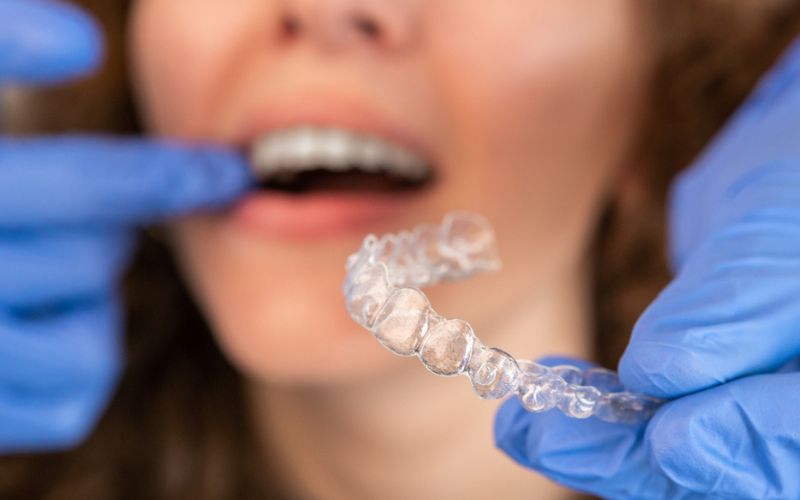
Why Do Teeth Move After Braces, Even Years Later?
Teeth move after braces because the bone and tissues around them continue to adapt, while normal ageing, oral habits and inconsistent retainer wear may gradually affect alignment. Retainers help maintain tooth position, although regular dental reviews remain important...
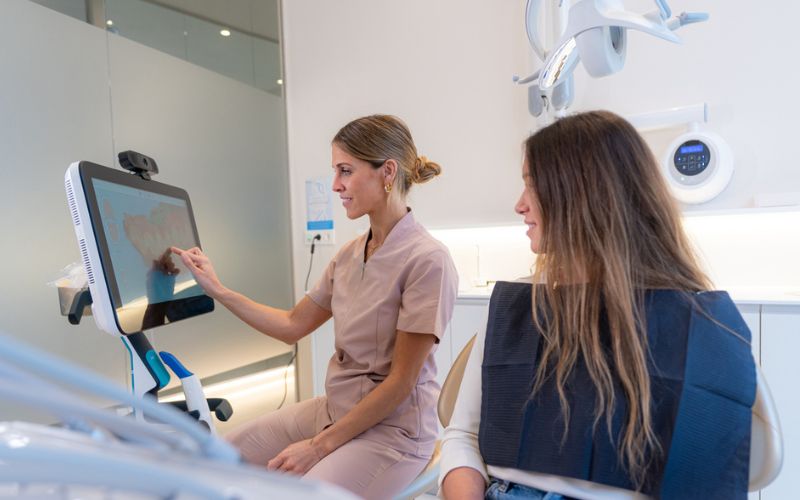
Dental Crowns vs Veneers in Wetherill Park: Understanding the Difference
Crowns vs veneers are different dental restorations that may improve the appearance of a tooth, although they are recommended for different clinical reasons. A veneer covers mainly the front surface and may suit certain cosmetic concerns, while a crown surrounds most...
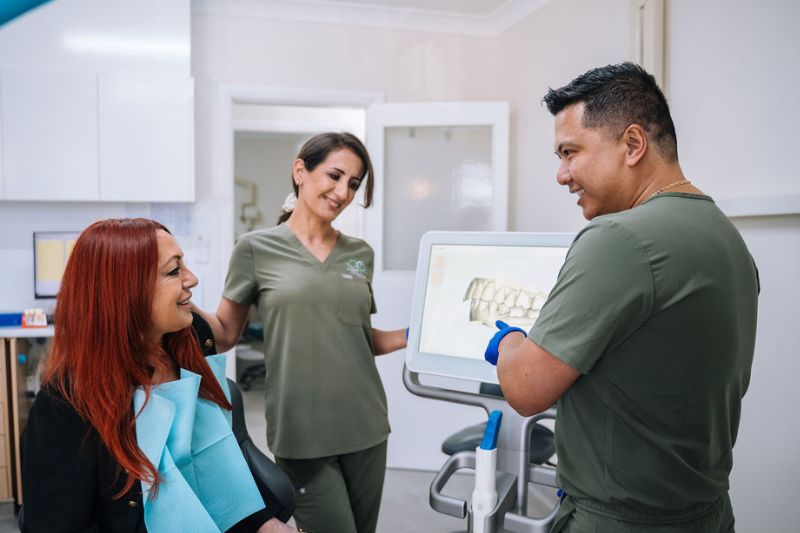
Why Doesn’t Professional Teeth Whitening Work for Everyone in Wetherill Park?
Professional teeth whitening in Wetherill Park can help brighten many smiles, but the final result varies from person to person. Factors such as the type of tooth staining, enamel condition, previous dental restorations and overall oral health all influence how well...