
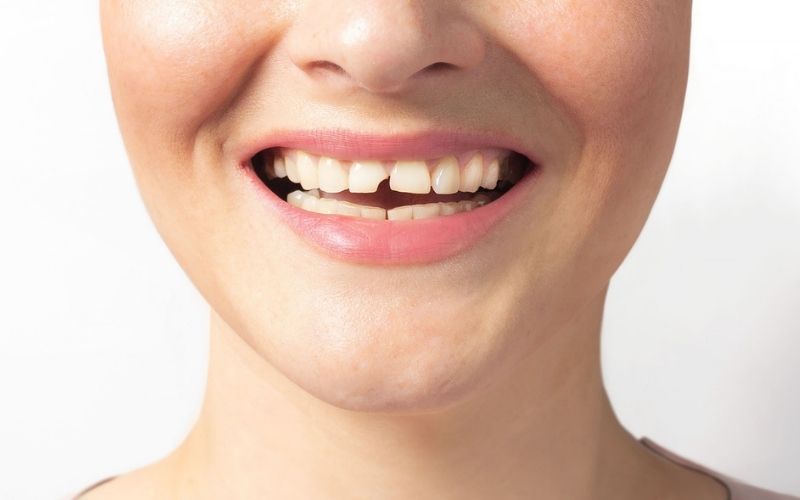
Chipping a front tooth can be unsettling, particularly when the damage is visible every time you smile. One of the first questions people often have is whether the tooth can simply be bonded or whether it needs something more extensive, such as a veneer or crown.
The answer depends on more than the size of the missing piece.
A dentist may need to consider how much healthy tooth structure remains, whether the damage is limited to enamel, whether there is an underlying crack, how your teeth meet when you bite, and whether the tooth has become painful or sensitive.
At Dr Raymond Platon & Associates in Wetherill Park, we assess these factors before recommending whether a chipped tooth needs treatment and which options may be appropriate.
What Is the Best Treatment for a Chipped Front Tooth?
A chipped front tooth may sometimes be managed with smoothing, composite bonding, a dental veneer or a dental crown. The appropriate approach depends on the extent and location of the damage, the condition of the remaining tooth, your bite and whether there are signs of deeper injury.
A relatively minor enamel chip may require little or no restorative treatment. Composite bonding may be considered for some limited chips, while a veneer may be an option in selected situations involving a larger visible area of a front tooth. A crown may be considered when considerably more tooth structure has been lost or weakened.
The appearance of a chip alone cannot determine which treatment is appropriate. A clinical examination is needed to assess the individual tooth.
Why Two Similar Chipped Teeth May Need Different Treatment
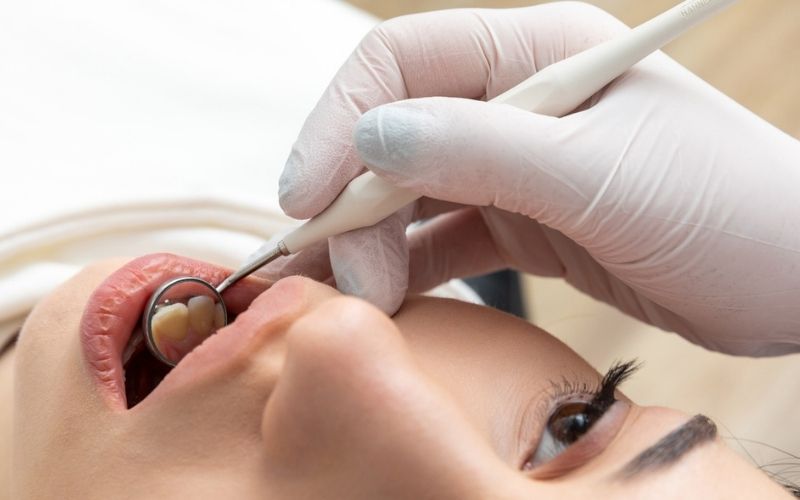
A dental examination can help determine the extent of a chipped tooth and whether treatment is required.
A useful way to understand chipped teeth is to look beyond the missing piece.
Two people could appear to have almost identical chips when looking in the mirror, yet the condition of the teeth underneath may be quite different.
Before recommending treatment, a dentist may consider several questions.
How much healthy tooth remains?
A small loss of enamel is very different from a fracture involving a substantial portion of the tooth.
Is the damage limited to the visible surface?
A chip can sometimes occur together with a crack or deeper injury that is not obvious from appearance alone.
Is the tooth painful or sensitive?
New sensitivity or pain following an injury may indicate that further assessment is required.
Where does the chip sit in the bite?
Front teeth are exposed to different forces when biting and during jaw movements. The location of those forces can affect treatment planning.
Do you grind or clench your teeth?
Repeated forces from grinding or clenching may have contributed to the damage and can also influence how a restoration is planned.
Has the tooth previously been restored?
Large existing fillings or previous dental treatment can change how much natural tooth structure remains.
This assessment is more useful than simply choosing a treatment according to whether the chip looks small, medium or large.
Can a Small Chipped Front Tooth Be Bonded?
Sometimes.
Composite bonding may be considered when the chip is relatively limited and there is suitable tooth structure available for the restoration.
However, the decision is not based on size alone. The position of the chip, available enamel, bite forces, grinding or clenching habits and the presence of any additional damage can all influence whether bonding is appropriate.
Because our existing guide to cosmetic bonding in Wetherill Park explains the bonding treatment itself in detail, the important point here is that a small chip does not automatically mean bonding is the right treatment.
The tooth needs to be assessed first.
When Might a Veneer Be Considered for a Chipped Front Tooth?
A dental veneer may be considered in selected situations where the damage involves a greater portion of the visible front surface of a tooth or where there are other concerns about the tooth’s shape or appearance.
However, having a chipped front tooth does not automatically make a veneer necessary.
The amount and quality of remaining enamel, the condition of the tooth, the bite and the overall reason for treatment all need to be considered.
Where a more conservative treatment can appropriately manage the problem, a dentist may discuss that option instead.
You can read more about dental veneers in Wetherill Park if you want to understand the treatment itself, its suitability and the factors considered before treatment.
You can also find general patient information about crowns and veneers from the Australian Dental Association.
When Might a Chipped Front Tooth Need a Crown?
A dental crown may be considered when considerably more tooth structure has been lost or when the remaining tooth requires more extensive restoration.
A crown is a different proposition from repairing a small edge with composite bonding. It involves greater coverage of the tooth and should therefore be recommended according to the condition of the individual tooth rather than simply because a chip is visible.
At Dr Raymond Platon & Associates, zirconia crowns are used when crown treatment is clinically appropriate.
Factors such as the amount of remaining tooth structure, previous restorations, cracks, bite forces and the overall condition of the tooth can influence whether a crown is considered.
Our dental crowns in Wetherill Park page provides more information about crown treatment.
Bonding, Veneer or Crown: How Does a Dentist Decide?
Rather than thinking of these treatments as three competing cosmetic options, it is more useful to consider how much of the tooth has been affected, how much healthy tooth structure remains, and whether there are any symptoms or deeper damage.
Very small enamel chip
Monitoring or smoothing may sometimes be appropriate if the damage is minor and limited to the enamel.
Limited chip with healthy tooth structure remaining
Composite bonding may be considered when there is enough suitable tooth structure to support a conservative restoration.
Larger visible defect affecting the front surface
A veneer may sometimes be considered where more of the visible surface of a suitable front tooth needs to be restored.
More extensive loss or weakening of tooth structure
A crown may be considered when the tooth requires greater coverage because more tooth structure has been lost or weakened.
Pain, sensitivity, significant trauma or a suspected crack
Further assessment may be needed before choosing any restoration, because the visible chip may not show the full extent of the damage.
These examples provide general information only. The appropriate treatment depends on the individual tooth, clinical findings, bite, symptoms and remaining tooth structure.
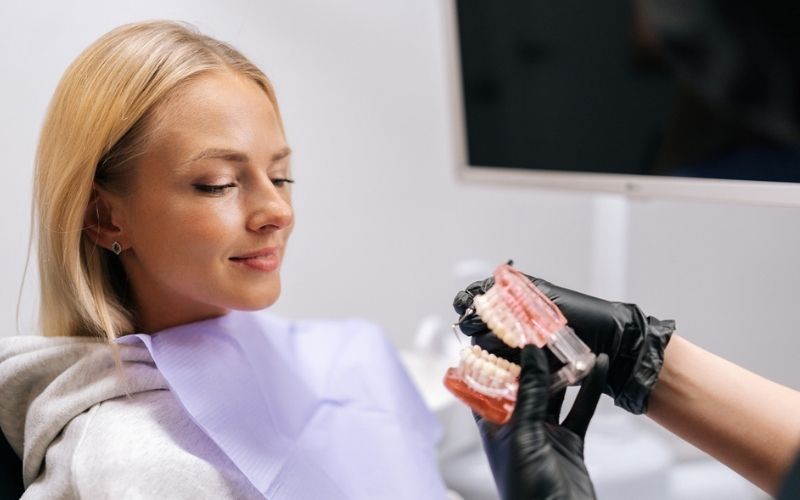
Treatment options for a chipped front tooth depend on the individual tooth, the extent of the damage and the clinical findings.
If you are specifically comparing the two more extensive restorations, our article on dental crowns vs veneers in Wetherill Park explains their different purposes in greater detail.
Does Every Chipped Front Tooth Need to Be Repaired?
No.
A very minor chip affecting only the enamel may not always require a restoration. Depending on the tooth and the patient’s circumstances, smoothing a rough edge or monitoring the area may sometimes be appropriate.
This is an important distinction because dental treatment should be based on clinical need and individual circumstances, not simply on the presence of a small imperfection.
However, it can be difficult to judge the depth of a chip yourself.
This is particularly relevant when the tooth was damaged by an impact, has become painful or sensitive, feels different when biting, or appears to have a crack extending from the damaged area.
An examination can help establish whether the damage is superficial or requires further investigation.
What If the Tooth Is Chipped and Cracked?
A chipped tooth and a cracked tooth are not necessarily the same thing.
A chip means part of the tooth has been lost. A crack can extend through tooth structure even when relatively little of the tooth has visibly broken away. Occasionally, both problems occur together.
This distinction matters because restoring the missing portion does not necessarily address a deeper crack.
Symptoms such as pain when biting, sensitivity to temperature or discomfort when pressure is released may warrant further investigation.
If you are concerned that the tooth may be cracked rather than simply chipped, read our guide to cracked tooth symptoms, causes and treatment.
What If You Chipped Your Front Tooth in an Accident?
A visible chip may be only one consequence of trauma to a front tooth.
After a fall, sporting injury or other impact to the mouth, a dentist may need to assess more than the missing piece. The tooth itself, nearby teeth, bite and surrounding tissues may also need to be considered.
This is one reason photographs alone cannot reliably determine the appropriate treatment.
If you have just damaged the tooth and want practical information about what to do next, our guide to a broken tooth in Wetherill Park covers immediate steps following a dental break.
When Should a Chipped Front Tooth Be Checked More Promptly?
A small, symptom free enamel chip is different from a tooth that has suffered significant trauma.
More prompt dental assessment may be appropriate if the chipped tooth is accompanied by:
- significant or increasing pain
- new or persistent sensitivity
- bleeding around the affected tooth
- a substantial piece of tooth breaking away
- a loose or displaced tooth
- swelling
- difficulty biting normally
- a visible crack extending into the tooth
- significant trauma to the mouth or face
These signs do not tell you which treatment you need. They indicate that the tooth may require assessment rather than treating the problem as purely cosmetic.
For urgent dental problems, you can also view our emergency dentist in Wetherill Park information.
Why Did My Front Tooth Chip?
Sometimes the reason is obvious. You may have fallen, received an impact to the mouth or accidentally bitten something hard.
In other cases, the cause is less apparent.
A tooth may be exposed to repeated forces from grinding or clenching. Existing restorations, tooth wear and the amount of remaining natural tooth structure can also influence how a tooth responds to pressure.
Understanding why the tooth chipped can be relevant to treatment planning.
For example, simply restoring a damaged edge without considering significant bite forces or grinding may overlook an important factor that contributed to the problem.
This is another reason the assessment should focus on the whole tooth and how it functions, rather than only replacing the piece that is missing.
Can You Tell From a Photo Whether a Chipped Tooth Needs Bonding, a Veneer or a Crown?
Not reliably.
A photograph can show the visible shape and location of a chip, but it cannot provide all the information needed to assess the tooth.
It may not reveal the depth of the damage, the condition of the remaining tooth structure, how the tooth responds clinically, your bite or whether a crack extends beyond what is visible.
This is particularly important with front teeth because patients may understandably focus on appearance while the dentist also needs to consider function and tooth health.
A photograph can be useful information, but it does not replace a dental examination when determining treatment suitability.
Will a Chipped Front Tooth Get Worse?
Not every chipped tooth will continue to deteriorate.
The likelihood depends on why the tooth chipped, how much structure has been affected, where the damage is located and the forces placed on the tooth.
A small superficial enamel chip may behave very differently from a tooth that has fractured following significant trauma or one affected by an underlying crack.
For this reason, it would be misleading to assume that every chipped tooth will worsen if it is not immediately restored.
Equally, a chip should not automatically be dismissed as cosmetic when there are symptoms or other signs of damage.

The appearance and long term management of a chipped front tooth depend on the individual tooth, the extent of the damage and the treatment selected.
What Happens During an Assessment of a Chipped Front Tooth?
The purpose of the appointment is first to understand the condition of the tooth.
Depending on the circumstances, your dentist may ask how and when the chip occurred, whether the tooth is painful or sensitive, whether there has been trauma and whether you grind or clench your teeth.
The tooth and surrounding area can then be examined, including the amount of remaining tooth structure and how the affected tooth relates to your bite.
Additional investigations may be considered when clinically indicated.
Once the relevant findings are understood, your dentist can explain whether treatment is required and discuss suitable options, including their potential benefits, limitations and alternatives.
For some teeth, that may mean a relatively conservative approach. For others, a different restoration or further treatment may need to be considered.
Chipped Front Tooth Assessment in Wetherill Park
If you have chipped a front tooth and are looking for a dentist near you, the first decision does not need to be whether you want bonding, a veneer or a crown.
The first question is what has happened to the tooth?
Dr Raymond Platon & Associates has provided dental care in Wetherill Park for more than 25 years, with Dr Raymond Platon leading the practice since 2002.
Our dentists assess chipped and damaged teeth and discuss treatment according to the clinical findings and individual circumstances.
Depending on the tooth, appropriate management may range from monitoring or smoothing a minor area to composite bonding, a veneer, a crown or another treatment approach.
No particular restoration is automatically recommended simply because a front tooth has chipped.
Frequently Asked Questions About Chipped Front Teeth
Can a chipped front tooth grow back?
No. Tooth enamel that has physically broken away does not regenerate. However, this does not mean that every small chip requires restorative treatment. Whether anything needs to be done depends on the extent and location of the damage and the condition of the tooth.
Can a dentist bond a chipped front tooth?
Some chipped front teeth may be suitable for composite bonding. The decision depends on factors such as the amount and location of the damage, remaining tooth structure, available enamel, bite forces and other clinical findings.
Is bonding or a veneer better for a chipped front tooth?
Neither treatment is inherently better for every chipped tooth. Bonding may be appropriate for some limited chips, while a veneer may be considered in selected situations involving more of the visible front surface. A dentist needs to assess the individual tooth before recommending either option.
Does a chipped front tooth always need a crown?
No. A crown is not automatically required because a tooth has chipped. It may be considered when there has been more extensive loss or weakening of tooth structure and greater coverage of the tooth is clinically appropriate.
Can a tiny chipped tooth be left alone?
Sometimes. A very minor enamel chip may not require restorative treatment. Depending on the tooth, smoothing or monitoring may be appropriate. An assessment can help determine whether the damage is limited to the surface.
Should I see a dentist if my chipped tooth does not hurt?
Absence of pain does not necessarily indicate how deep a chip is. A minor symptom free chip may be superficial, but assessment can be useful if you are uncertain about the extent of the damage, particularly following trauma or when a crack is visible.
Can grinding cause a front tooth to chip?
Grinding and clenching can place repeated forces on teeth and may contribute to wear or damage in some people. If signs of grinding are present, this may be considered when assessing why a tooth has chipped and when planning any restoration.
Have You Chipped a Front Tooth?
A chipped front tooth does not automatically mean you need cosmetic bonding, a veneer or a crown.
The appropriate approach depends on the tooth itself.
If you have chipped a front tooth and would like it assessed, you can contact Dr Raymond Platon & Associates in Wetherill Park on (02) 9609 2935 to arrange an appointment.
Our team can assess the affected tooth and explain whether treatment is necessary and which options may be appropriate for your individual circumstances.
This article provides general information and does not replace personalised dental advice. Treatment suitability, potential benefits, risks, limitations and alternatives vary according to individual clinical circumstances and should be discussed with a registered dental practitioner.
Important Information About Cosmetic Dental Treatment
Treatment for a chipped front tooth is based on individual clinical assessment. Cosmetic bonding, veneers and crowns are not suitable for every patient, and the most appropriate option depends on factors including the amount of healthy tooth structure remaining, enamel condition, tooth position, bite forces, existing restorations, grinding or clenching, oral health and whether there is any underlying crack, trauma or other damage.
Treatment may involve risks, limitations, maintenance requirements and the possibility of repair or replacement over time. Results and longevity vary between individuals and cannot be guaranteed.
Where a cosmetic treatment such as bonding, a veneer or crown is being considered, your dentist will discuss the clinical findings, suitability, potential benefits, risks, limitations and reasonable alternatives before treatment proceeds. In some situations, no restorative treatment or a more conservative approach may be appropriate.
This information is general in nature and does not constitute personalised dental advice. A clinical examination is required to determine which, if any, treatment is appropriate for your individual circumstances. Patients may also seek a second opinion from another appropriately qualified registered health practitioner before proceeding with cosmetic dental treatment.
Dental Practitioners
Dr Raymond Platon
Dental Practitioner, General Registration
AHPRA Registration: DEN0001321891
Dr Ninos Chamo
Dental Practitioner, General Registration
AHPRA Registration: DEN0002607262
Dr Loreen Akram
Dental Practitioner, General Registration
AHPRA Registration: DEN0001155597
Caroline Nguyen
Oral Health Therapist
AHPRA Registration: DEN0001948671
About the Author
Dr Raymond Platon is a registered dental practitioner and Principal Dentist at Dr Raymond Platon & Associates in Wetherill Park, NSW. He has led the practice since 2002 and provides general, restorative, cosmetic and orthodontic dental care.
AHPRA Registration: DEN0001321891
Published: 8 September 2026
Updated: 8 September 2026